
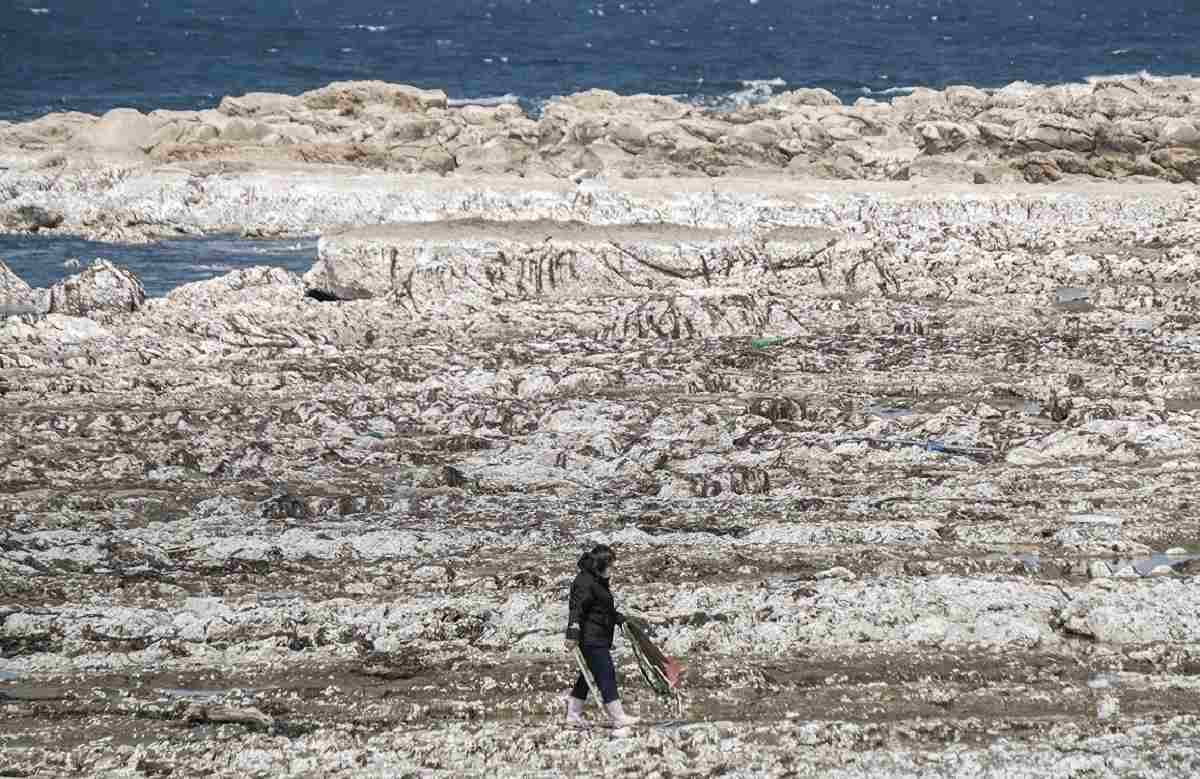
An ama diver surveys the damage to turban shells and abalone as she walks along a coast uplifted by the earthquake, in Wajima on Saturday.
17:05 JST, April 2, 2024
Monday marked three months since the Noto Peninsula Earthquake, which devastated Ishikawa Prefecture on New Year’s Day. Though many areas are still in ruins, with buildings collapsed and water cut off, spring has brought hope to some residents that they will someday regain their peaceful lives. Despite their experience of loss and loneliness, residents are moving forward one step at a time to rebuild their lives.
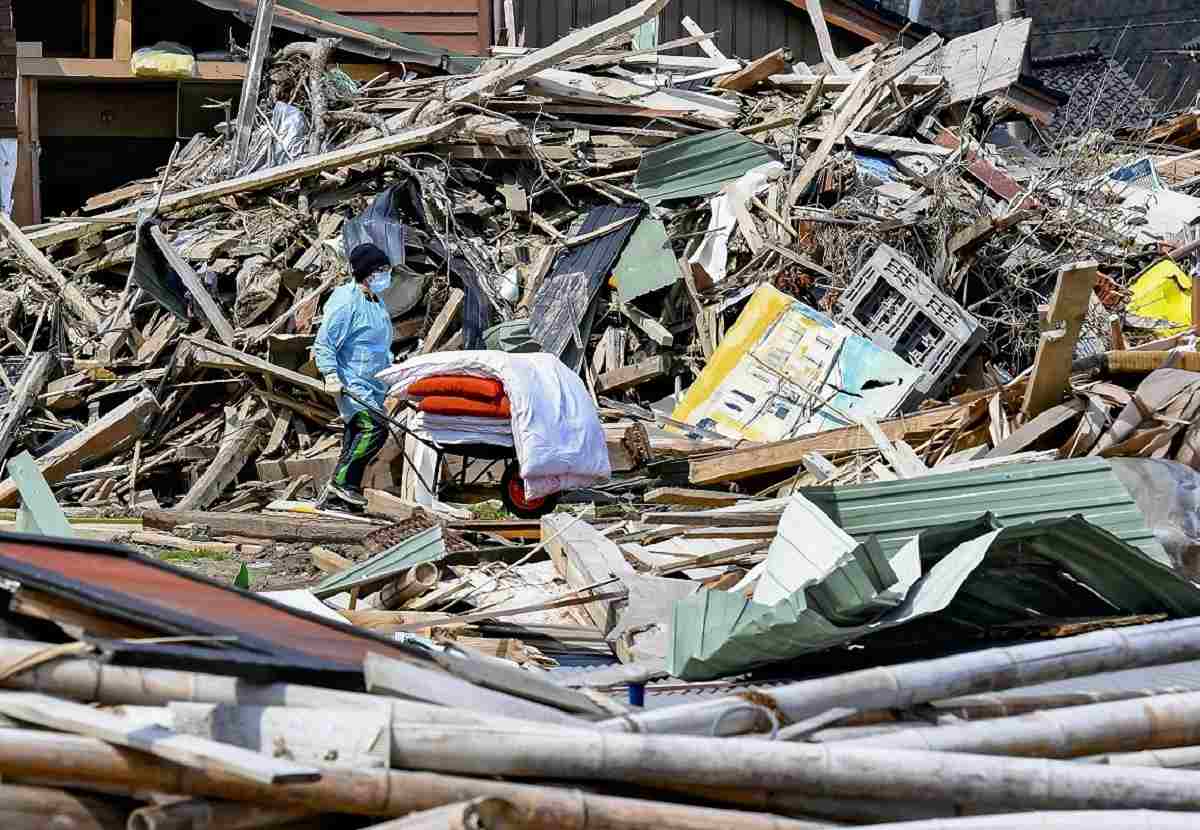
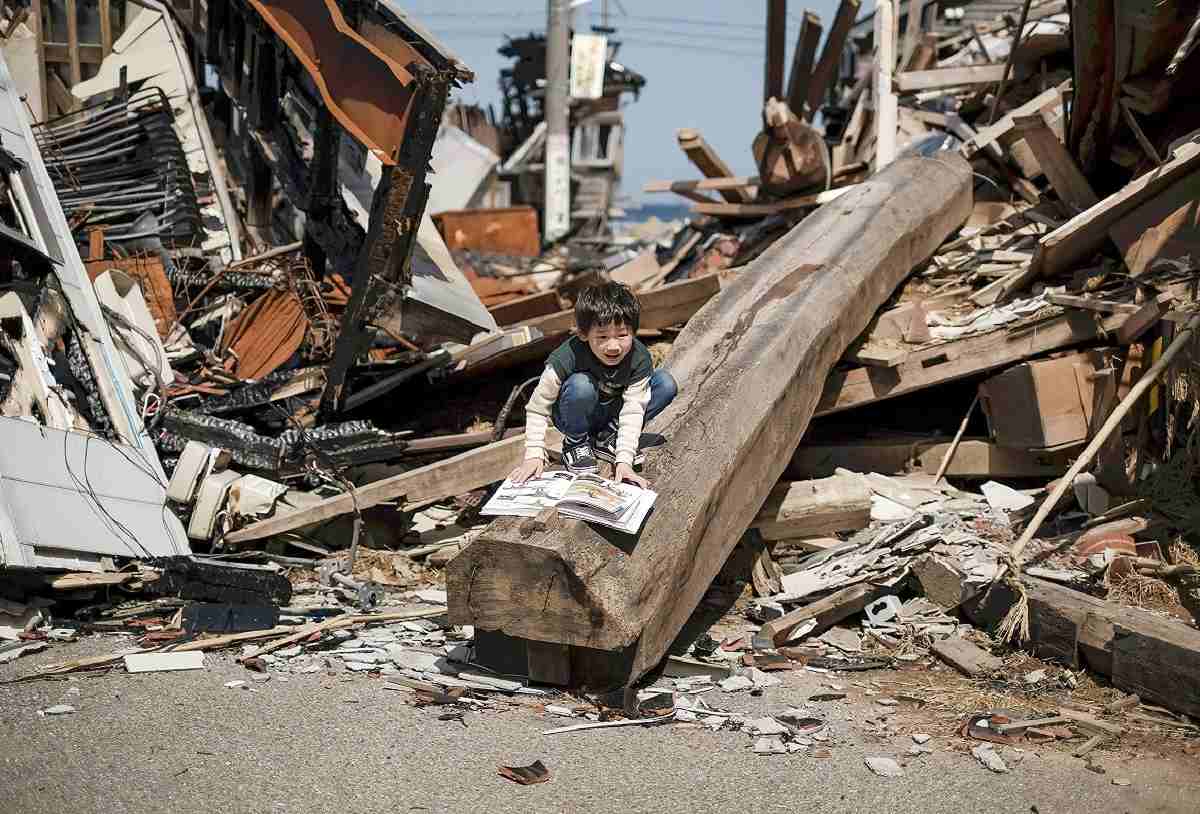
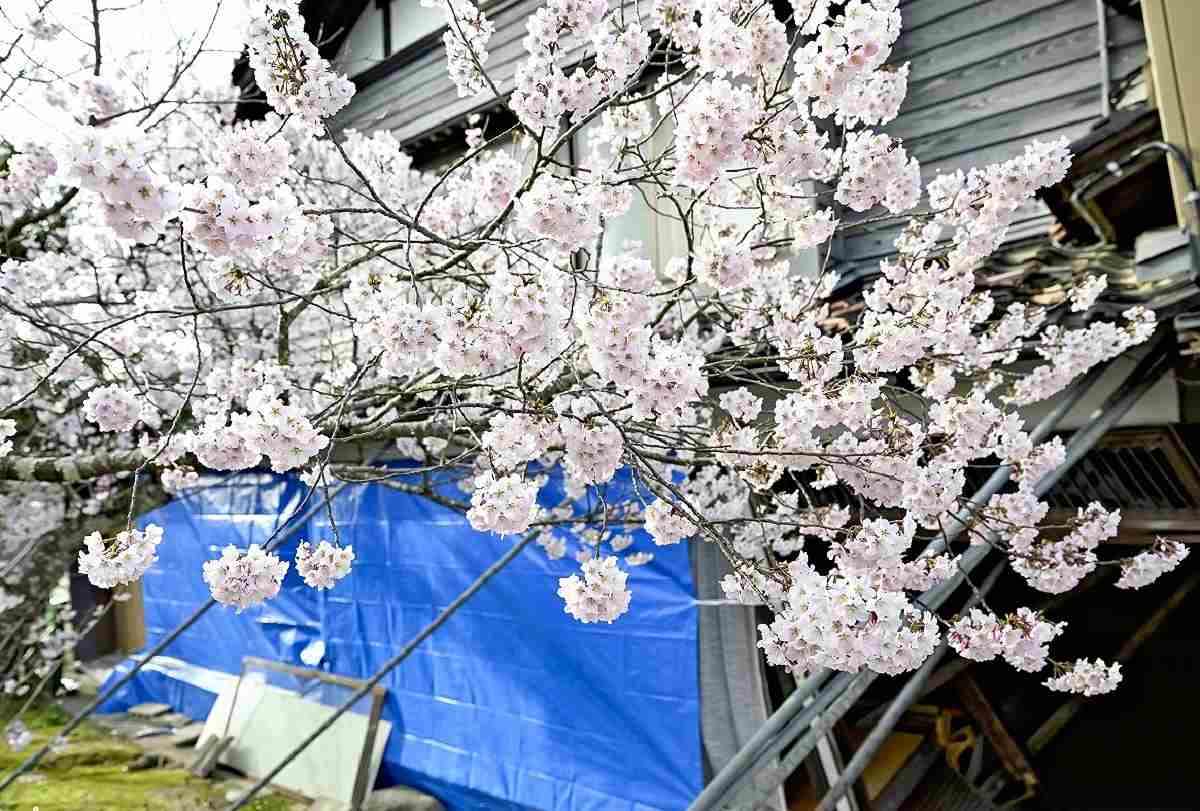
Top: A person carries bedding and other items from a damaged home to a temporary dump site for disaster waste, in Suzu on Sunday. Center: A 6-year-old boy plays on the debris of a collapsed building that was once his home and a family-owned sake brewery in Wajima on Saturday. Bottom: Cherry blossoms bloom in the garden of a damaged house in Suzu on Saturday.
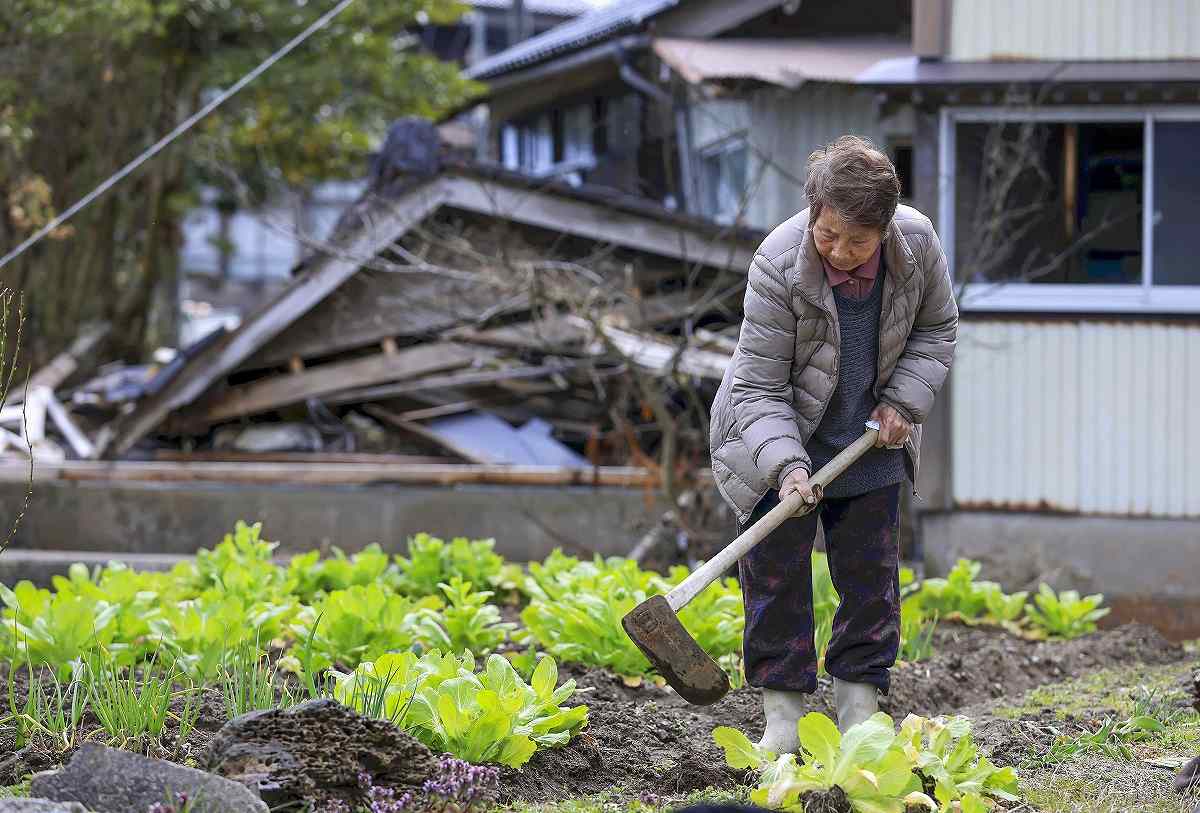

Top: A 94-year-old woman works in a field next to her collapsed house in Suzu on Friday. Down: A man works on a display at Iroha Bookstore, which has reopened in a temporary venue, in Suzu on Thursday.

Disaster waste is sorted at a temporary dump site at a port in Suzu on Wednesday.
One 55-year-old Wajima resident found daffodils on Wednesday by her wrecked home near the Wajima Morning Market, which burnt down in a fire that followed the quake. The daffodils were once grown by her mother-in-law, who died after being evacuated from their home due to the disaster. Plucking one of the flowers from where it grew in the burnt earth, the woman said, “I never thought I would be so encouraged and cheered up by a flower.” She took a flower back to the temporary housing she had just moved into.
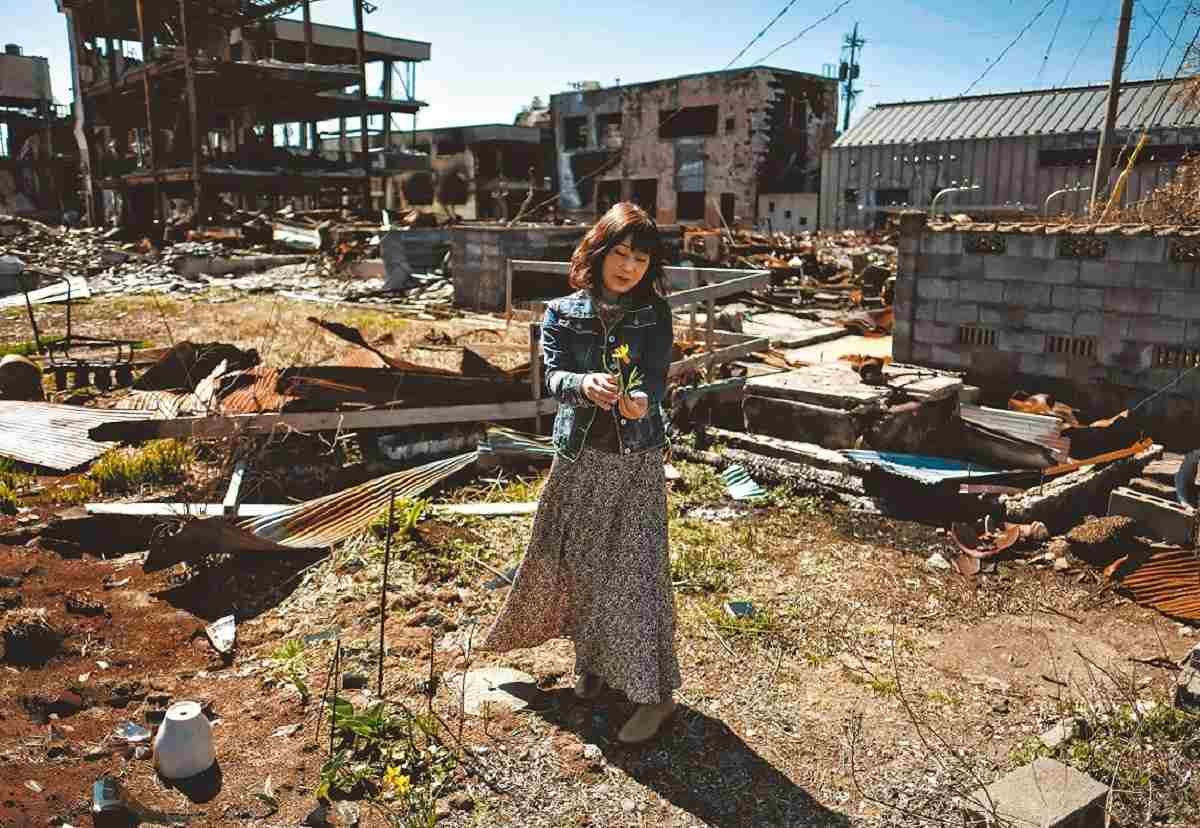
A woman plucks a daffodil by the ruins of her house near the burnt-down Wajima Morning Market, in Wajima on Wednesday.
In Suzu, a 74-year-old man on Saturday walked on a seabed pushed up by the quake to gather wakame seaweed, having lost both his fishing boats in the tsunami. Then, together with his 68-year-old wife, he dried his crop under the sun. Though they have only gathered about one-third as much seaweed as in a normal year, they plan to send it to friends and relatives who supported them after the disaster. “We have to move toward recovery, little by little,” the wife said. “All we can do is do our best, with a smile on our face.”
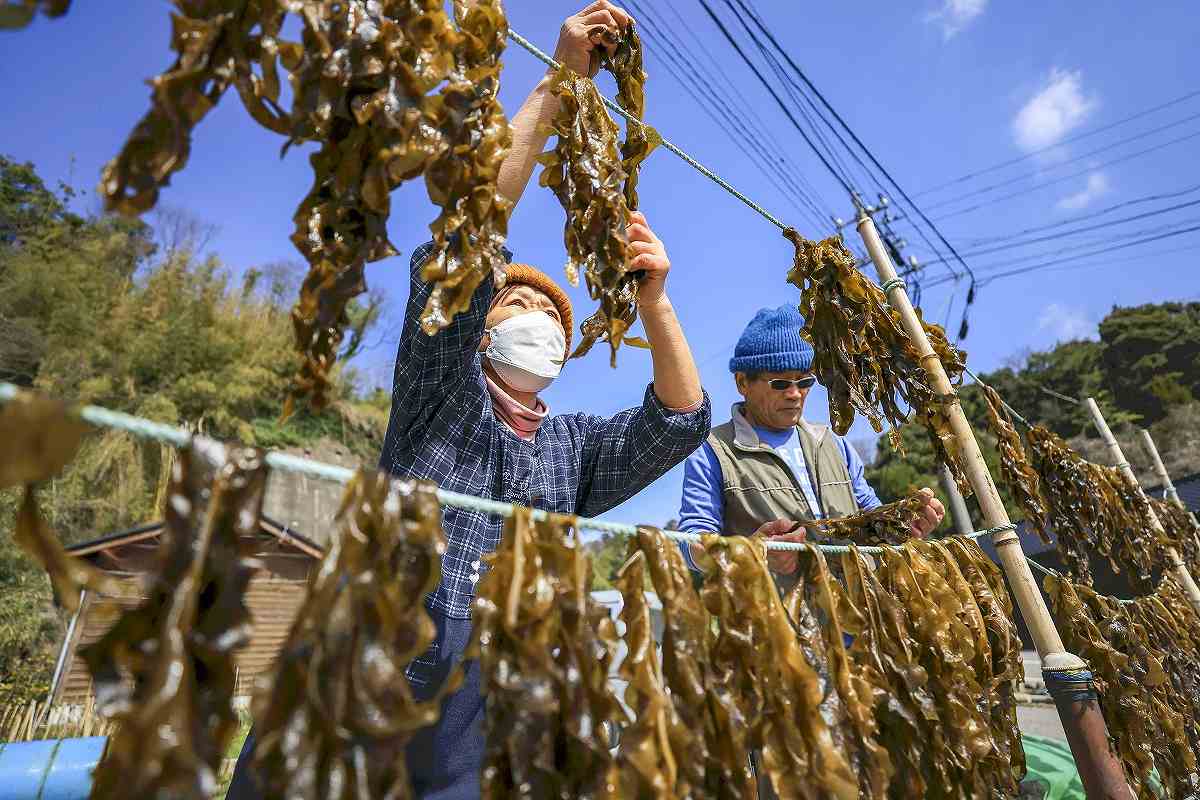
A couple dries wakame seaweed in the sun in Suzu on Saturday.






Most Read
Popular articles in the past 24 hours
-

Ishinomaki Man Plush Toy Offers Hope to Children in Times of Disa...
-

Microsoft Japan Raided by Antitrust Watchdog for Allegedly Blocki...
-
Japan Eyes Introducing Prescreening System for Foreign Travelers,...
-

Party Representatives’ Questions in Diet: Takaichi Says Consumpti...
-

Milano Cortina 2026: News in Pictures / Feats of Japanese Athlete...
-

Pokémon Celebrates 30 Years with Japanese Pro Baseball Collab
-

Nikkei Tops 59,000 for First Time
-

New U.S. Tariff Unlikely to Significantly Impact Japan, BOJ Gov. ...
Popular articles in the past week
-

Producer Behind Pop Group XG Arrested for Cocaine Possession
-

iPS Treatments Pass Key Milestone, but Broader Applications Far f...
-

Tokyo Skytree's Elevator Stops, Trapping 20 People; All Rescued (...
-
Milano Cortina 2026: Japanese Gold Medalist Figure Skater Miura S...
-

Japan’s Major Real Estate Firms Expanding Overseas Businesses to ...
-

Nepal Bus Crash Kills 19 People, Injures 25 Including One Japanes...
-

Baby Monkey Punch Captures Hearts at Chiba Pref. Zoo, on Social M...
-

Milano Cortina 2026: Japanese Figure Skater Kaori Sakamoto’...
Popular articles in the past month
-
Producer Behind Pop Group XG Arrested for Cocaine Possession
-

Japan PM Takaichi’s Cabinet Resigns en Masse
-

Japan Institute to Use Domestic Commercial Optical Lattice Clock ...
-

Man Infected with Measles Reportedly Dined at Restaurant in Tokyo...
-

Israeli Ambassador to Japan Speaks about Japan’s Role in the Reco...
-

Videos Plagiarized, Reposted with False Subtitles Claiming ‘Ryuky...
-

Man Infected with Measles May Have Come in Contact with Many Peop...
-

Prudential Life Insurance Plans to Fully Compensate for Damages C...
Top Articles in Society
-
Producer Behind Pop Group XG Arrested for Cocaine Possession
-
Man Infected with Measles Reportedly Dined at Restaurant in Tokyo Station
-
Man Infected with Measles May Have Come in Contact with Many People in Tokyo, Went to Store, Restaurant Around When Symptoms Emerged
-

Woman with Measles Visited Hospital in Tokyo Multiple Times Before Being Diagnosed with Disease
-
Australian Woman Dies After Mishap on Ski Lift in Nagano Prefecture
JN ACCESS RANKING
-
Producer Behind Pop Group XG Arrested for Cocaine Possession
-
Japan PM Takaichi’s Cabinet Resigns en Masse
-
Man Infected with Measles Reportedly Dined at Restaurant in Tokyo Station
-
Israeli Ambassador to Japan Speaks about Japan’s Role in the Reconstruction of Gaza
-
Videos Plagiarized, Reposted with False Subtitles Claiming ‘Ryukyu Belongs to China’; Anti-China False Information Also Posted in Japan