
News in Pictures / Noto Quake Evacuees Suffer from Prolonged Stay at Centers
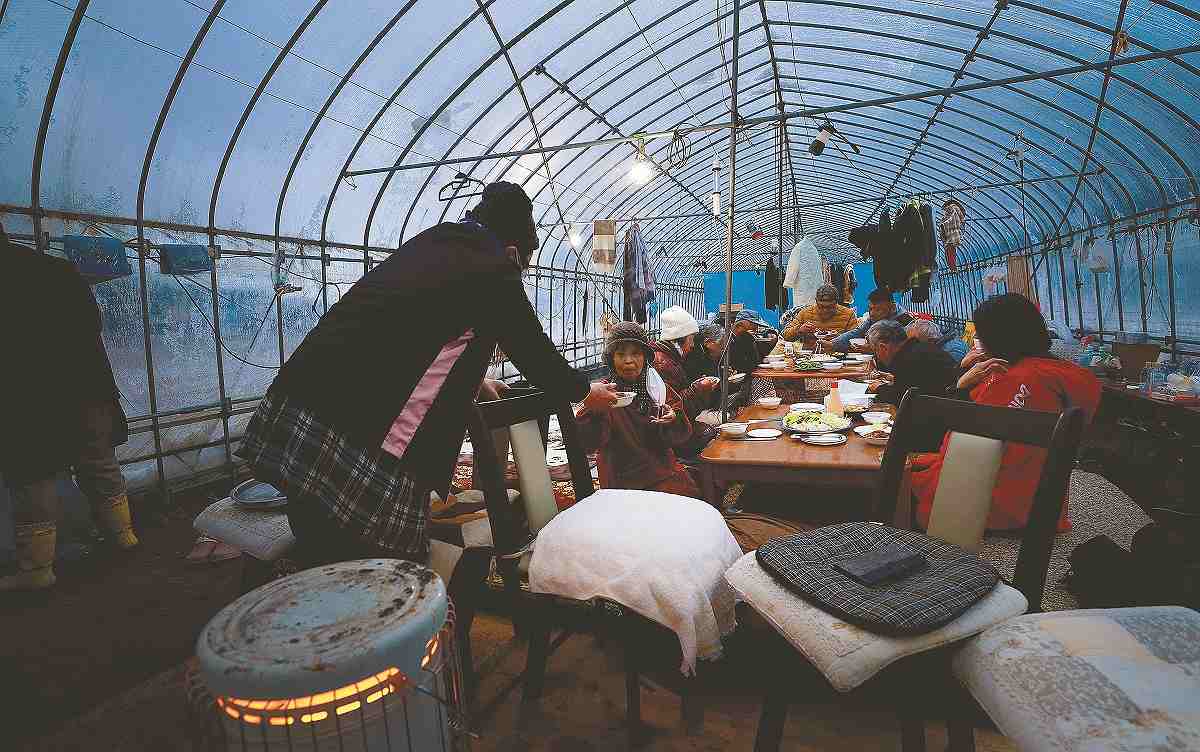
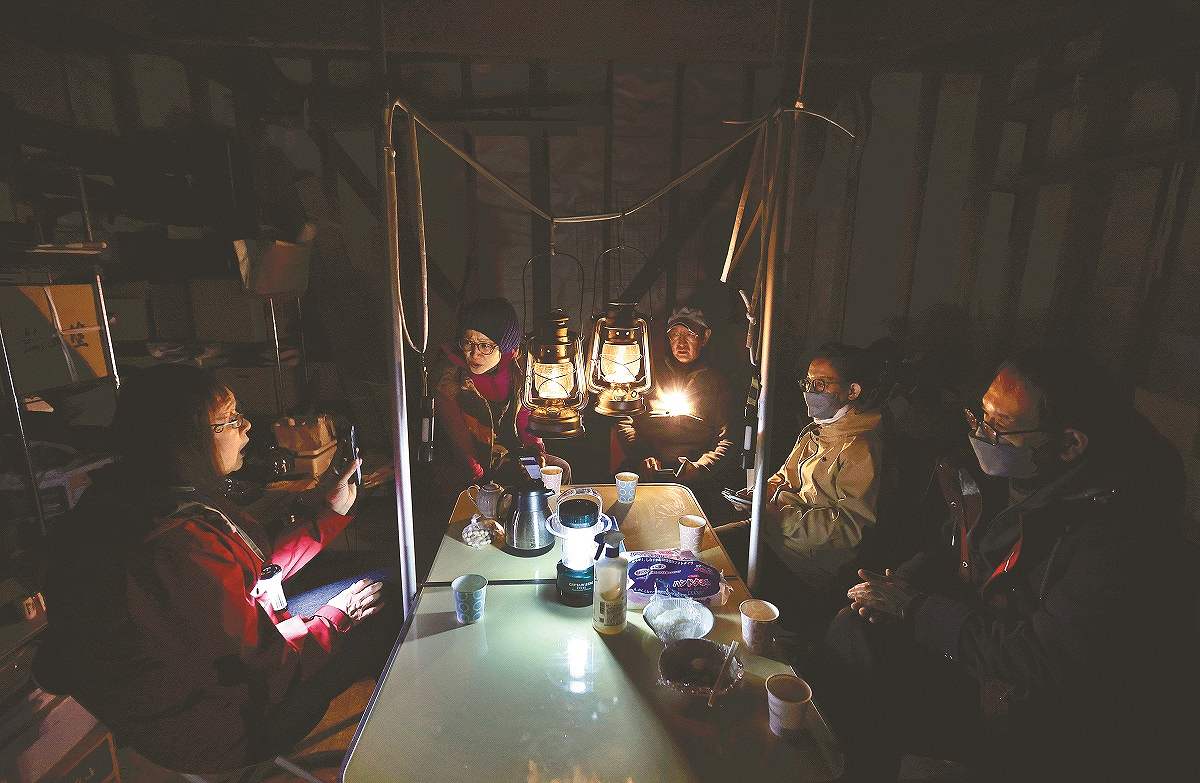
Top: Earthquake victims use a greenhouse as an emergency shelter on Jan. 7 in Wajima, Ishikawa Prefecture, as public evacuation centers were full. Bottom: Residents gather at a makeshift cafe amid a power outage on Jan. 7 in Wajima, Ishikawa Prefecture. A local lacquerware shop owner opened the cafe in his garage after his shop was heavily damaged by the quake.
13:59 JST, January 16, 2024
Monday marked two weeks since the powerful Noto Peninsula Earthquake struck Ishikawa Prefecture. As of Sunday, nearly 20,000 people were still staying at evacuation centers, and 14 disaster-related deaths that occurred since being evacuated were confirmed as of 2 p.m. Monday.
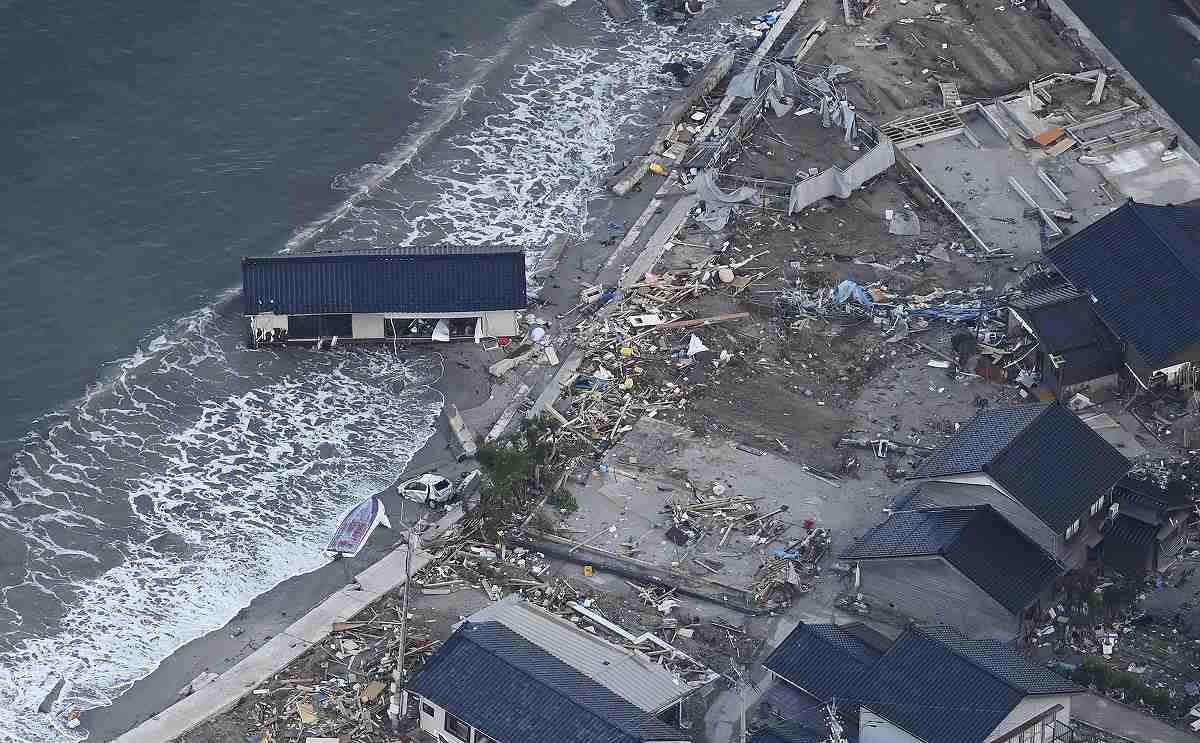
The area around a fishing port hit by the Jan. 1 tsunami is seen on Thursday in Noto, Ishikawa Prefecture.
Concerns are rising for the elderly staying at evacuation centers amid severe cold weather and poor sanitary conditions due to prolonged water outages. The spread of infectious diseases is also a worry.
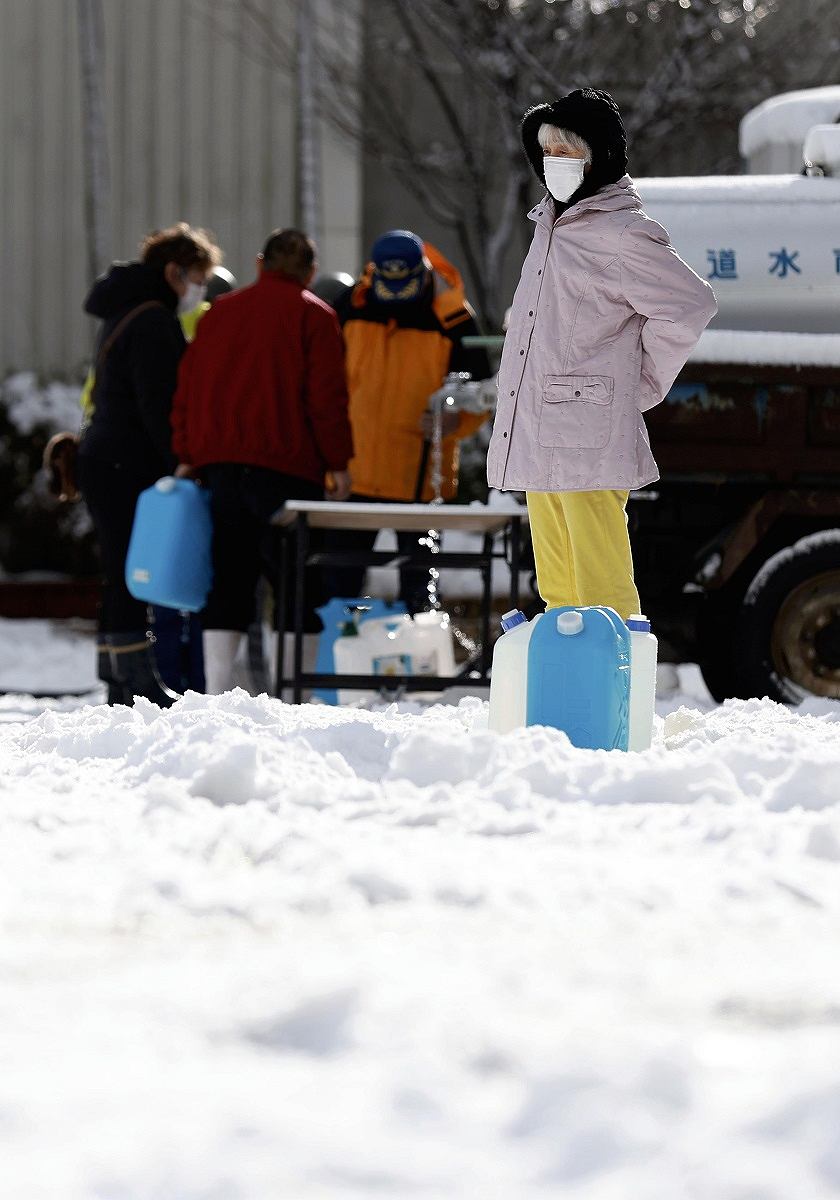
Residents gather at a water distribution point in Wajima, Ishikawa Prefecture, on Jan. 8.
In the disaster-hit areas, many are still left in isolated communities where it is difficult to get support, and some are still sleeping in their cars. A growing number of people are suffering from hypothermia and being transported to hospitals.
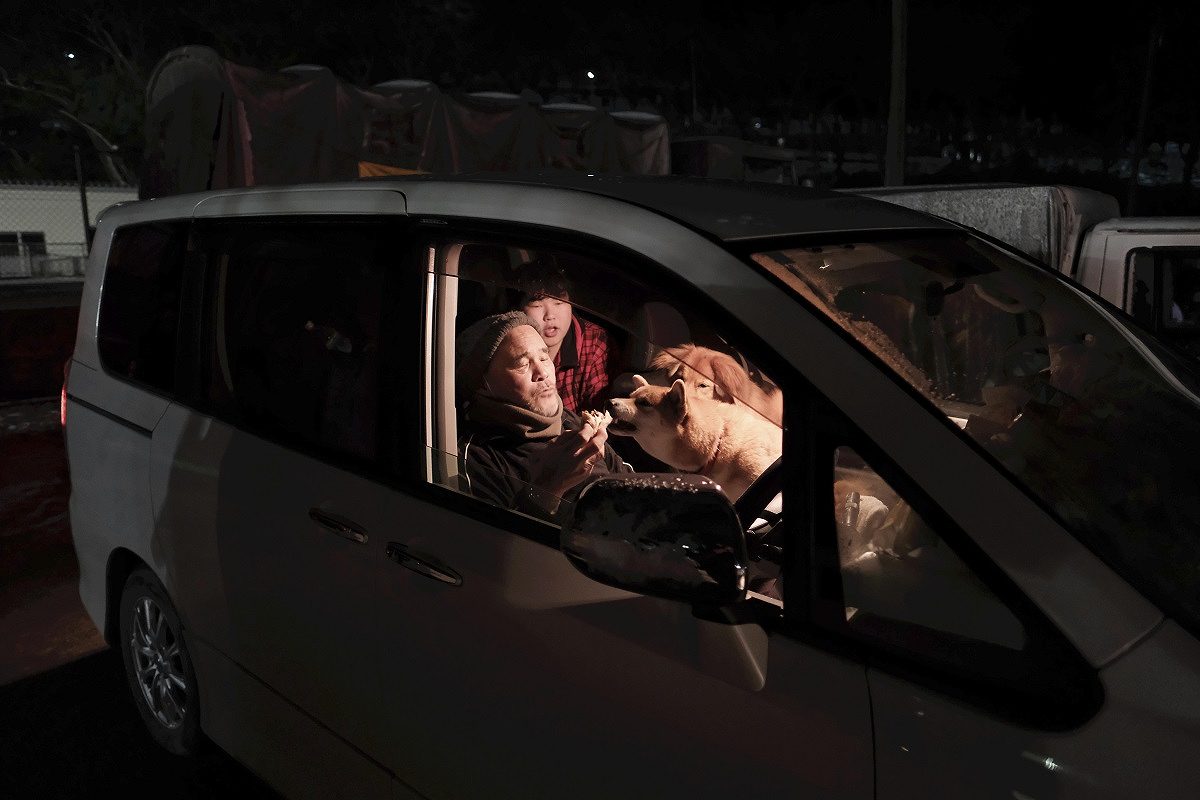
A 72-year-old man feeds his dogs in his car at an elementary school’s sports field in Wajima, Ishikawa Prefecture, on Saturday. His daughter and a grandchild are sleeping in the car, as there is not enough space for them in the elementary school, which is being used as an evacuation center.
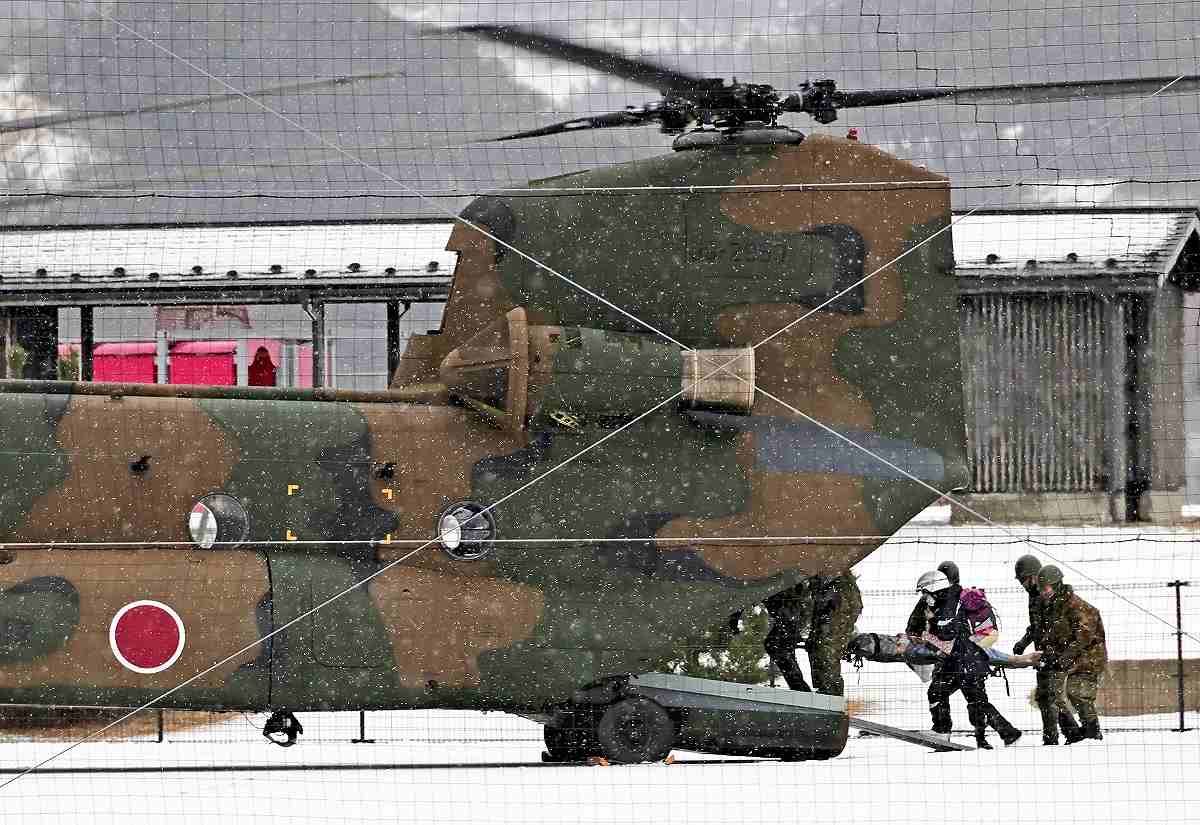
Self-Defense Forces personnel carry a patient to be transported to Komatsu Airport in Ishikawa Prefecture from Wajima in the prefecture on Jan. 8.
The authorities are trying to promote secondary evacuations, which use hotels and inns outside the disaster area as shelters until temporary housing is built. However, it is impossible to transport large numbers of evacuees all at once, so significant aid within the disaster-hit areas needs to continue for the time being.
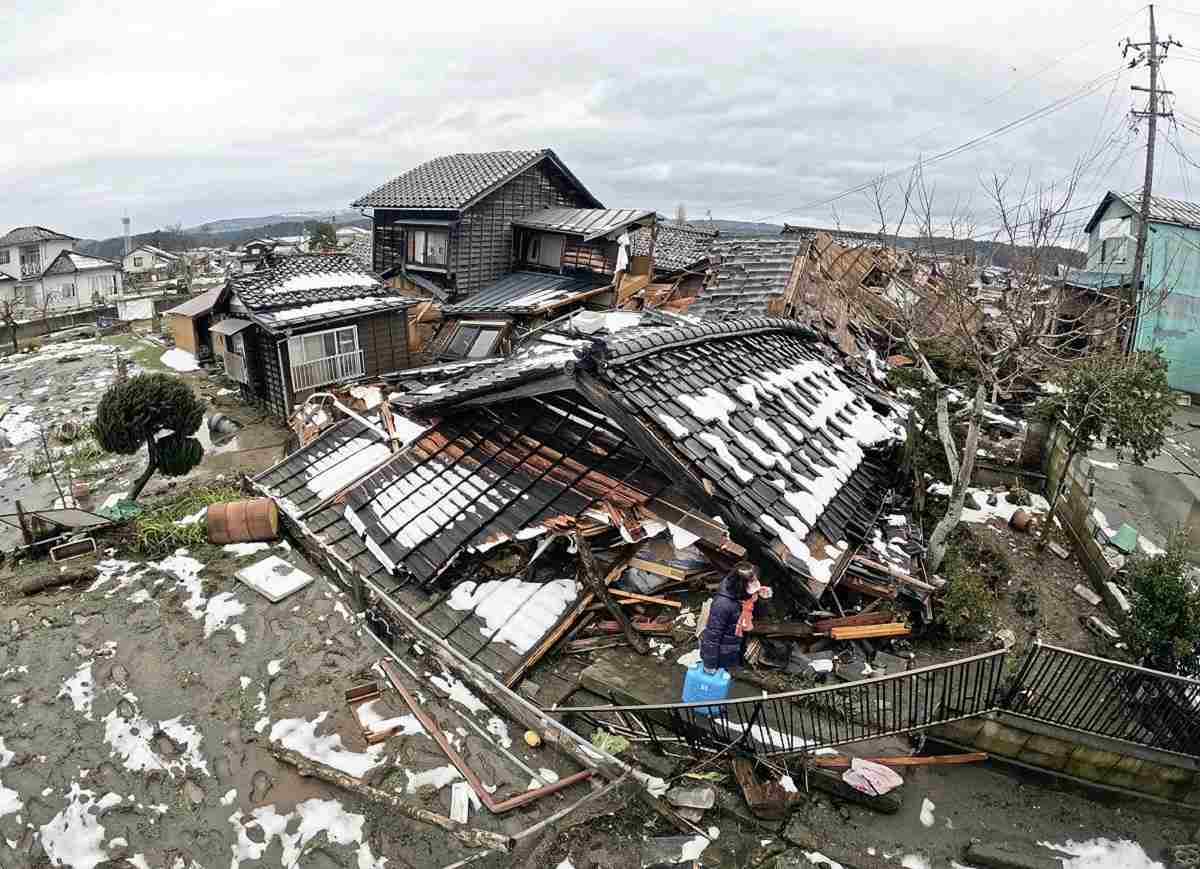
A 63-year-old woman carries some of her belongings out of her destroyed house in Suzu, Ishikawa Prefecture, on Wednesday. She and her family managed to escape through a window when the earthquake struck on Jan. 1.
Prime Minister Fumio Kishida toured the affected areas on Sunday and said to reporters, “In some areas, it is expected to take more than three months to restore roads and water systems.” He then urged evacuees to proactively consider secondary evacuations to protect their lives and health.
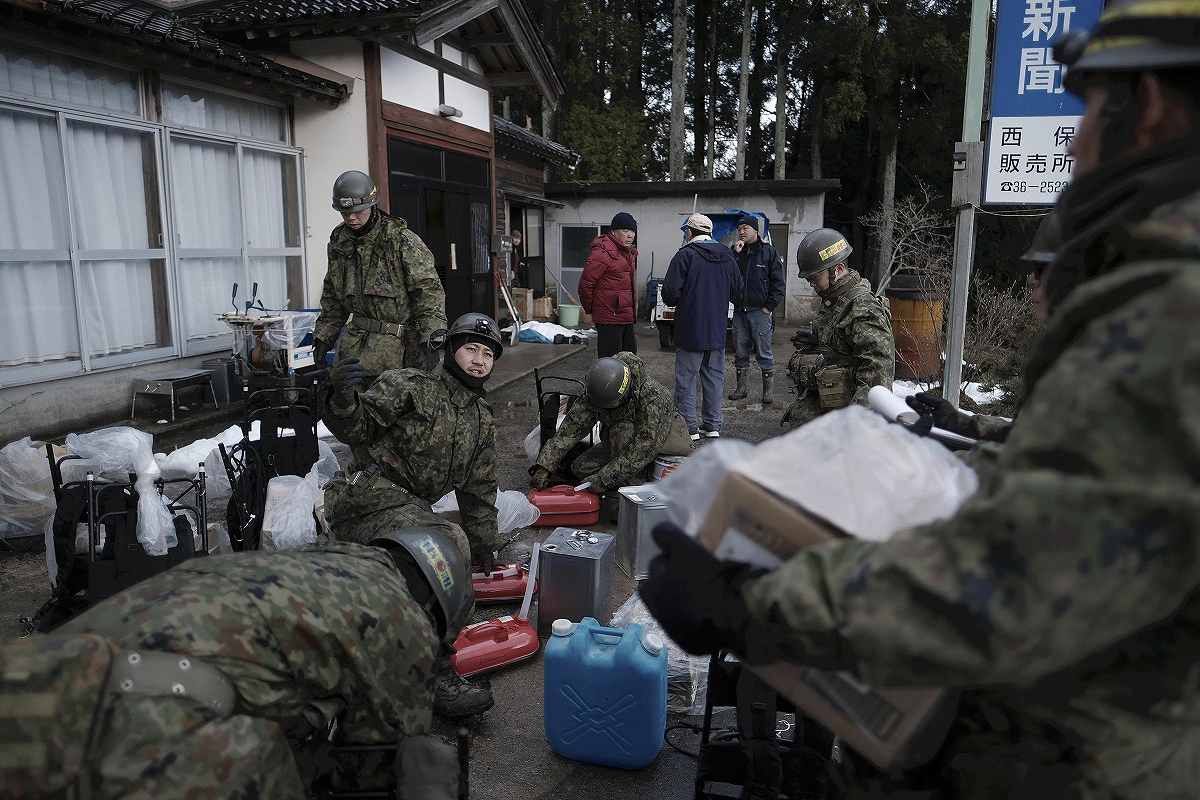
Self-Defense Forces personnel deliver food and fuel on Friday to a community cut off by the earthquake in Wajima, Ishikawa Prefecture.
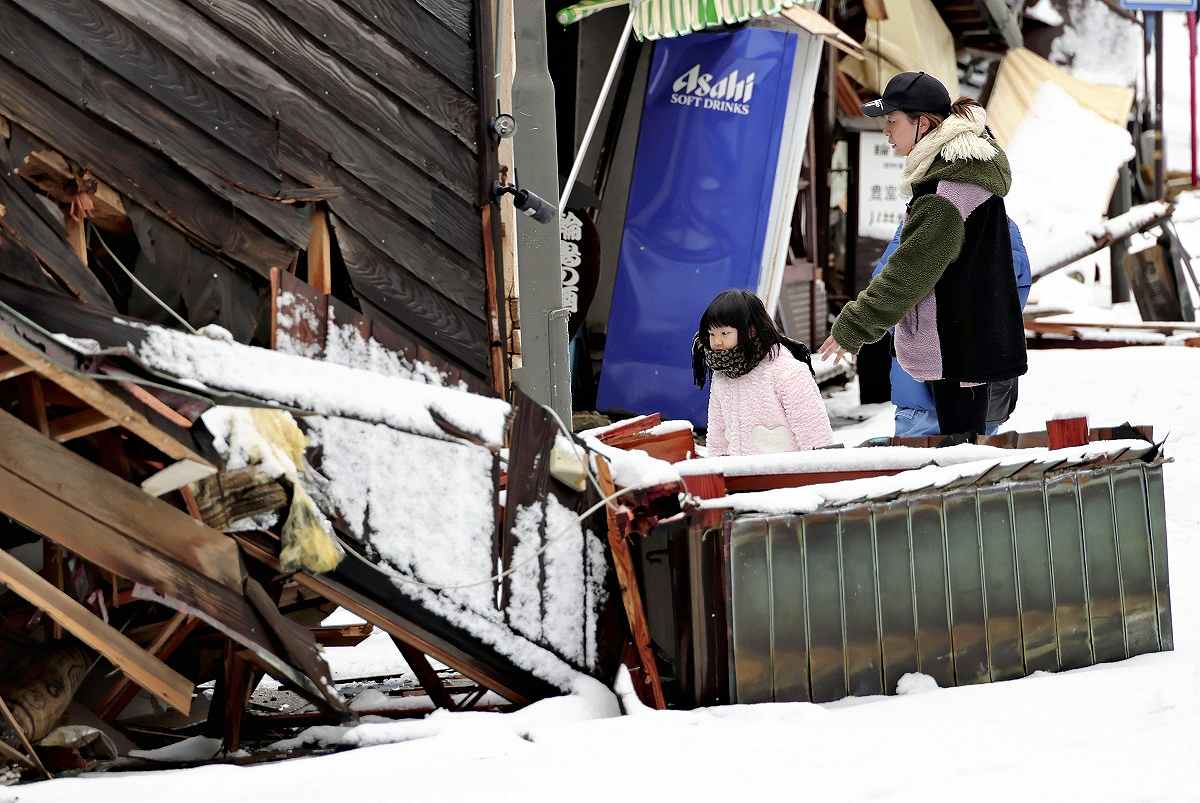
A family searches for their cat on Jan. 8 in Wajima, Ishikawa Prefecture. The cat went missing when the quake struck the city.






Most Read
Popular articles in the past 24 hours
-

Man Accused of Making Woman Drink 32 Shots of Tequila, Resulting ...
-
Japanese Shipping Giants Halt Strait of Hormuz Transit as Iran Co...
-

U.S. Launches Attacks on Iran: Avoid Escalation of Conflict by An...
-
Japan Police Told to Boost Security, Vigilance Around U.S., Israe...
-

Japan Shares and Yen Fall, Jgbs Rise as Iran Strikes Continue
-
Takaichi: Japan Striving to Ensure Safety of Japanese Nationals; ...
-
Japan Traditional Puppet Performance Held at Onsen Resort in Shiz...
-

Sawtooth Roof Factory Stands as Monument to Ashikaga Textile Hist...
Popular articles in the past week
-

Nepal Bus Crash Kills 19 People, Injures 25 Including One Japanes...
-
Milano Cortina 2026: Japanese Gold Medalist Figure Skater Miura S...
-
Tokyo Spends Big on Children, Wins Over Parents
-

McDonald's Japan Raises Prices; Big Mac to Cost ¥500, Double Chee...
-
Japan’s Miura, Kihara Announce Withdrawal from Figure Skating Wor...
-

Exhibition Featuring Yoshiharu Tsuge’s Manga World Underway in Ch...
-

Yokohama to Test Out Renewable-Powered Offshore Floating Data Cen...
-
BOJ Keeping Eye on Economy and Takaichi's ‘Proactive Fiscal Polic...
Popular articles in the past month
-

Producer Behind Pop Group XG Arrested for Cocaine Possession
-

Japan PM Takaichi’s Cabinet Resigns en Masse
-

Man Infected with Measles Reportedly Dined at Restaurant in Tokyo...
-

Israeli Ambassador to Japan Speaks about Japan’s Role in the Reco...
-

Videos Plagiarized, Reposted with False Subtitles Claiming ‘Ryuky...
-

Man Infected with Measles May Have Come in Contact with Many Peop...
-

Prudential Life Insurance Plans to Fully Compensate for Damages C...
-

Woman with Measles Visited Hospital in Tokyo Multiple Times Befor...
Top Articles in Society
-
Producer Behind Pop Group XG Arrested for Cocaine Possession
-
Man Infected with Measles Reportedly Dined at Restaurant in Tokyo Station
-
Man Infected with Measles May Have Come in Contact with Many People in Tokyo, Went to Store, Restaurant Around When Symptoms Emerged
-
Woman with Measles Visited Hospital in Tokyo Multiple Times Before Being Diagnosed with Disease
-

Bus Carrying 40 Passengers Catches Fire on Chuo Expressway; All Evacuate Safely
JN ACCESS RANKING
-
Producer Behind Pop Group XG Arrested for Cocaine Possession
-
Japan PM Takaichi’s Cabinet Resigns en Masse
-
Man Infected with Measles Reportedly Dined at Restaurant in Tokyo Station
-
Israeli Ambassador to Japan Speaks about Japan’s Role in the Reconstruction of Gaza
-
Videos Plagiarized, Reposted with False Subtitles Claiming ‘Ryukyu Belongs to China’; Anti-China False Information Also Posted in Japan