
Japan’s ‘Most Dangerous Zoo’ in Sapporo Closed After 20 Yrs of Illegal Operation; Lawsuit between City, Zoo Operator to Continue
Sapporo city officials enter the North Safari Sapporo for an inspection in Sapporo, in April.
1:00 JST, October 2, 2025
SAPPORO — A private zoo North Safari Sapporo, known as “Japan’s most dangerous zoo,” which had been operating without a permit in an area where urbanization is restricted in Sapporo, closed on Tuesday.
The zoo was also referred to as “the most dangerous zoo in Japan” by some travel magazines and TV programs as it previously allowed visitors to feed a tiger through a fence. It had been under administrative guidance from the city, ended its 20-year period of “illegal operation.” However, there is no clear timeline for the complete removal of the numerous facilities built without permission within the area, and the future of the estimated over 300 animals kept there remains uncertain.
“The city is also responsible for it taking 20 years to close,” said a 75-year-old woman from the city. She had visited once or twice a year since being captivated by the cuteness of the lion cubs. “It’s pitiful that the animals are at the mercy of humans,” she said with a torn expression, ahead of the closure.
The woman’s reference to “the city’s responsibility” points to its inconsistent responses. While attempting to halt unauthorized development through administrative guidance even before the zoo opened in July 2005, the city simultaneously permitted operations like lodging facilities. As a result, the operating company, Success-Kanko Corp., continued expansion despite knowing it violated city planning law. As of Sept. 18, just before the closure, 118 illegal structures remained.
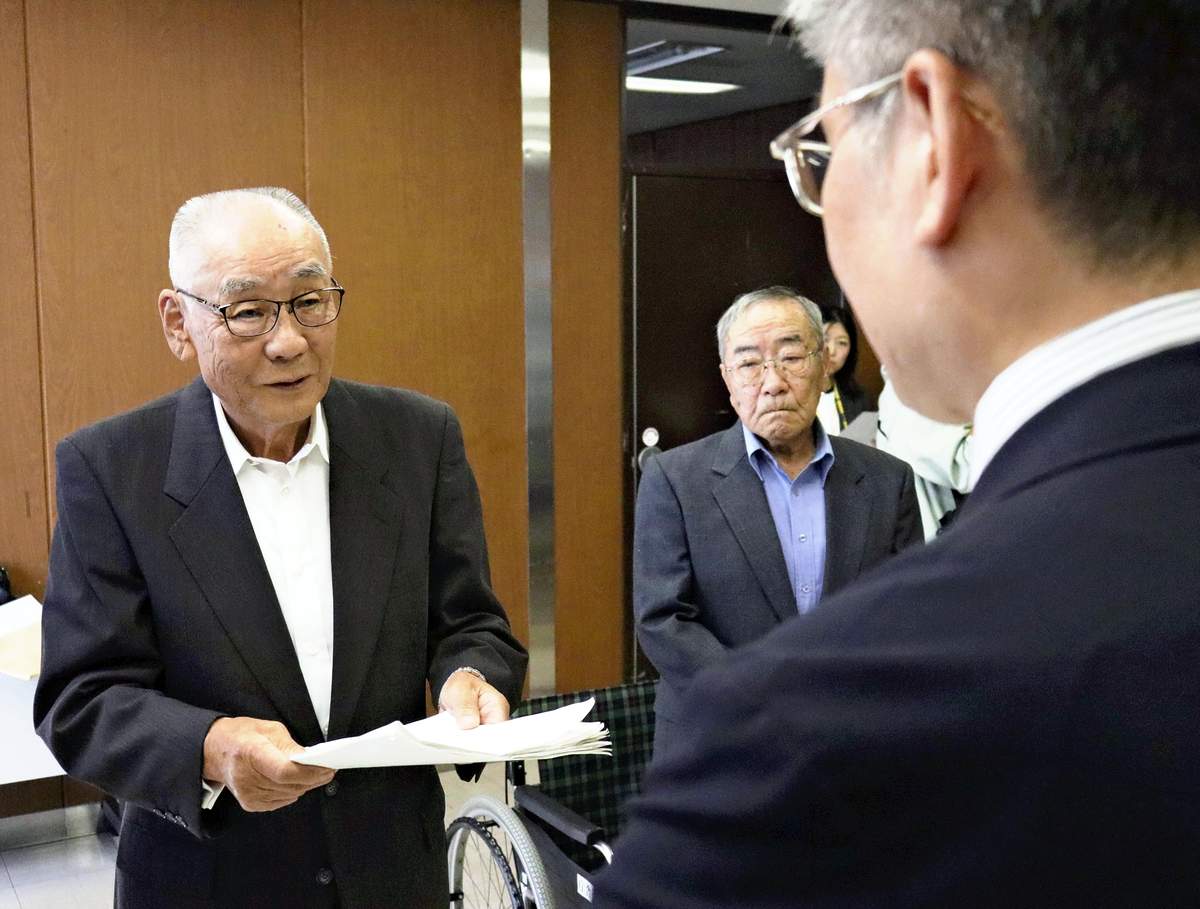
Residents living nearby also demand the city take resolute action. Four local neighborhood association members visited city hall on Tuesday, submitting a petition calling for more stringent oversight regarding the removal of illegal structures and the relocation of the 319 animals (as of Sept. 5) currently being kept. The president of the association said, “We simply want the problems resolved promptly. That’s all.”
Success-Kanko stated the deadline for complete removal of the illegal structures is “the end of 2029.” The company’s representative lawyer also stated regarding the animal relocation, “We cannot give a completion date, but arrangements are progressing.” Meanwhile, some senior city officials have said, “The end of 2029 is a deadline they have arbitrarily set. We have no reason to be kept waiting.”
Regarding subsidies previously granted by the national and municipal governments, both entities are demanding full repayment — ¥60 million from the national government and ¥7.5 million from the city — citing the discovery of legal violations. Success-Kanko, however, remains firmly opposed to returning the funds. Its attorney has indicated plans to take preemptive legal action by suing both the national and municipal governments, signaling that the dispute between the administrative authorities and Success-Kanko will continue.



Most Read
Popular articles in the past 24 hours
-
Japan Seeks to Counter China's Expanding Influence in Pacific by ...
-

Exhibition Featuring Yoshiharu Tsuge’s Manga World Underway in Ch...
-
Tokyo Skytree Observation Deck Remains Closed for Inspection afte...
-
Japanese Watermelon Shipments Starts in Leading Production Distri...
-

Impact on Japanese Economy Unclear with Trump’s New Tariffs, Shif...
-

Takeshima Day: Persistently Demanding Resolution from South Korea...
-

Hanzomon Line Service Suspended between Kudanshita, Oshiage Stati...
-

CARTOON OF THE DAY (February 25)
Popular articles in the past week
-

Producer Behind Pop Group XG Arrested for Cocaine Possession
-

iPS Treatments Pass Key Milestone, but Broader Applications Far f...
-

Japan, U.S. Name 3 Inaugural Investment Projects; Reached Agreeme...
-
Tokyo Skytree's Elevator Stops, Trapping 20 People; All Rescued (...
-

Director Naomi Kawase's New Film Explores Heart Transplants in Ja...
-

Japan’s Major Real Estate Firms Expanding Overseas Businesses to ...
-

Milano Cortina 2026: Japanese Figure Skater Kaori Sakamoto’...
-

Baby Monkey Punch Captures Hearts at Chiba Pref. Zoo, on Social M...
Popular articles in the past month
-
Producer Behind Pop Group XG Arrested for Cocaine Possession
-

Japan PM Takaichi’s Cabinet Resigns en Masse
-

Japan Institute to Use Domestic Commercial Optical Lattice Clock ...
-

Man Infected with Measles Reportedly Dined at Restaurant in Tokyo...
-

Israeli Ambassador to Japan Speaks about Japan’s Role in the Reco...
-

Videos Plagiarized, Reposted with False Subtitles Claiming ‘Ryuky...
-

Man Infected with Measles May Have Come in Contact with Many Peop...
-

Prudential Life Insurance Plans to Fully Compensate for Damages C...
Top Articles in Society
-
Producer Behind Pop Group XG Arrested for Cocaine Possession
-
Man Infected with Measles Reportedly Dined at Restaurant in Tokyo Station
-
Man Infected with Measles May Have Come in Contact with Many People in Tokyo, Went to Store, Restaurant Around When Symptoms Emerged
-

Woman with Measles Visited Hospital in Tokyo Multiple Times Before Being Diagnosed with Disease
-
Australian Woman Dies After Mishap on Ski Lift in Nagano Prefecture
JN ACCESS RANKING
-
Producer Behind Pop Group XG Arrested for Cocaine Possession
-
Japan PM Takaichi’s Cabinet Resigns en Masse
-
Man Infected with Measles Reportedly Dined at Restaurant in Tokyo Station
-
Israeli Ambassador to Japan Speaks about Japan’s Role in the Reconstruction of Gaza
-
Videos Plagiarized, Reposted with False Subtitles Claiming ‘Ryukyu Belongs to China’; Anti-China False Information Also Posted in Japan