

European Union flags are seen outside the EU Commission headquarters in Brussels on July 16.
21:00 JST, December 20, 2025
Japan and the European Union have reached a general agreement on Japan’s participation in Horizon Europe, the EU’s key framework for research and development, according to Japanese government sources.
An official announcement regarding the agreement is expected to be made soon.
Japan reportedly aims to strengthen cooperation with the EU in such fields as digital technology, space and energy, thereby enhancing the R&D capabilities of Japanese universities and companies, as the United States is increasingly looking more inward.
Horizon Europe is one of the world’s largest frameworks to support R&D, and the EU will invest €95.5 billion (¥15 trillion) between 2021-27. Framework participants include EU member states, Britain, Canada and South Korea.
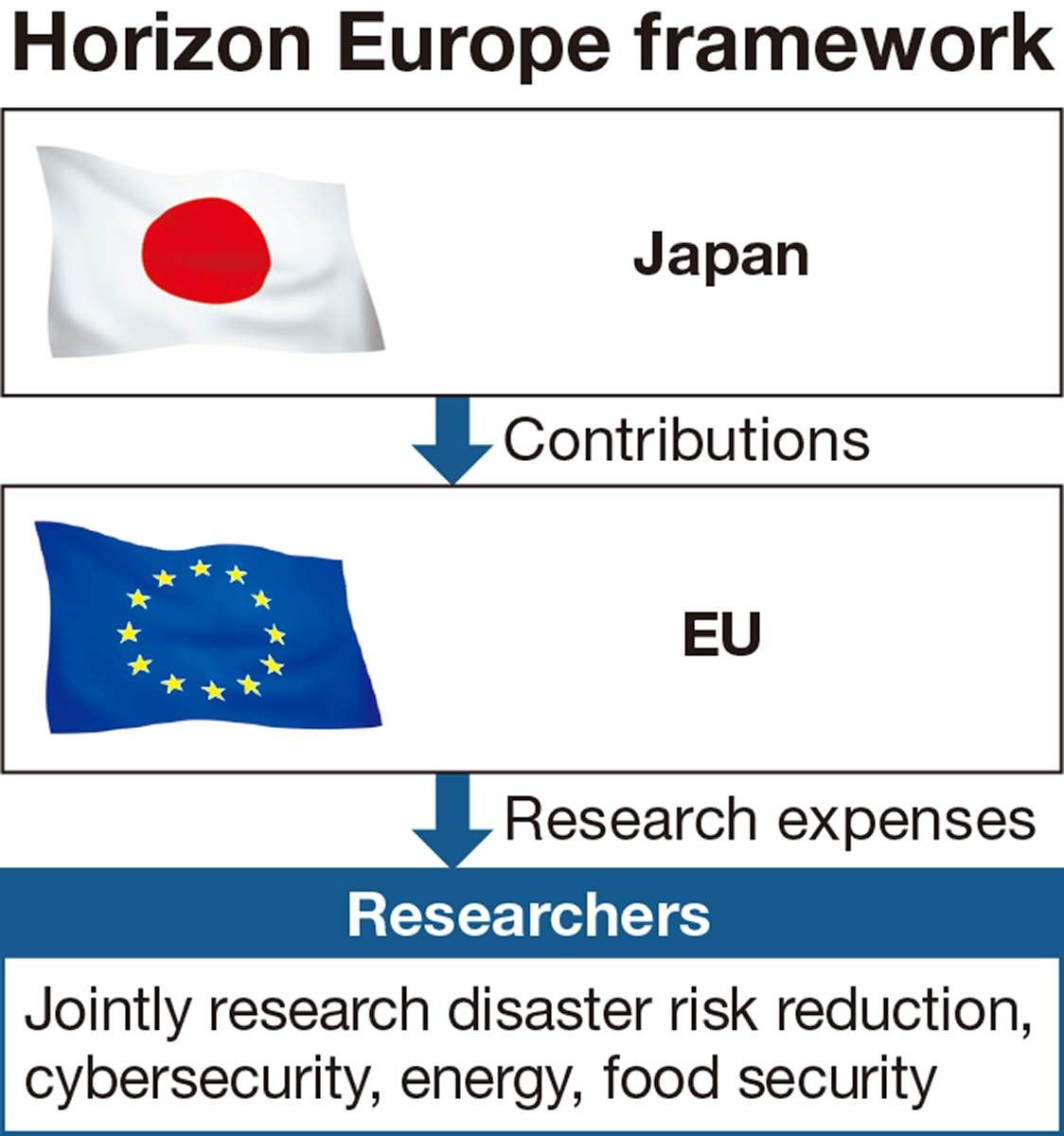
Japan has been in negotiations to participate in 2026 or 2027 since the end of the last year.
Japan will participate in applied research, among other areas, related to such fields as disaster risk reduction, cybersecurity, batteries and other energies as well as food security. Any university or company researcher will be able to apply, and those selected will be able to participate in individual projects.
Japanese researchers’ financial burden will be reduced thanks to the EU’s funding. The Japanese government will include about ¥1.2 billion in the fiscal 2026 budget proposal to contribute its required share to the EU to participate in the framework.
By advancing cooperation with the EU and others, Japan can expect more R&D activities at universities and businesses, while expanding its presence in the European market. Japan also hopes to participate in the setting of international standards for industrial and other products in order to make it easier for the country to promote its goods in the overseas market.
The administration of U.S. President Donald Trump, touting an “America First” policy, could reduce its engagement with its allies and partner nations, including Japan. Consequently, Japan needs to secure markets and a research environment that are not overly dependent on the United States.
“Cooperation with the EU could serve as one way [to lessen Japan’s dependence on the United States],” a Japanese government official said.



Most Read
Popular articles in the past 24 hours
-

Japan, Thailand Bolster Cooperation to Combat Human Trafficking; ...
-

TEPCO’s Restructuring Plan: Develop Business Partnership Plans fo...
-

Sapporo Snow Festival Opens with 210 Snow and Ice Sculptures at 3...
-
Japan's Nikkei Stock Average Slips after Sharp Gain as Software F...
-
Shogi Star Sota Fujii Earns Record ¥200 Million Plus, Reigns as M...
-

Seeking Shelter from Trump's Fury, U.S. Trade Partners Reach Deal...
-
Levels of Enthusiasm Differ within Japan's Ruling Parties on Expo...
-

BTS to Hold Comeback Concert in Seoul on March 21; Popular Boy Ba...
Popular articles in the past week
-
Australian Woman Dies After Mishap on Ski Lift in Nagano Prefectu...
-
Foreign Snowboarder in Serious Condition After Hanging in Midair ...
-
Chinese Embassy in Japan Reiterates Call for Chinese People to Re...
-
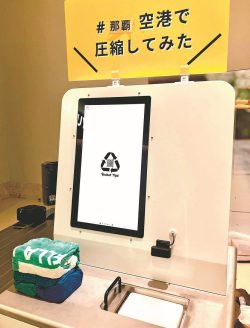
Narita Airport, Startup in Japan Demonstrate Machine to Compress ...
-

Man Infected with Measles May Have Come in Contact with Many Peop...
-

Toyota Motor Group Firm to Sell Clean Energy Greenhouses for Stra...
-

Beer Yeast Helps Save Labor, Water Use in Growing Rice; Govt Hope...
-
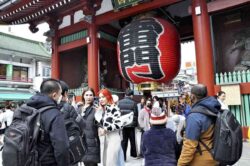
Japan Tourism Agency Calls for Strengthening Measures Against Ove...
Popular articles in the past month
-
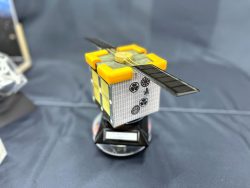
Univ. in Japan, Tokyo-Based Startup to Develop Satellite for Disa...
-
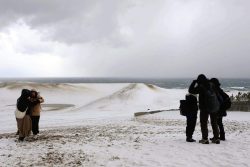
JAL, ANA Cancel Flights During 3-day Holiday Weekend due to Blizz...
-
China Confirmed to Be Operating Drilling Vessel Near Japan-China ...
-

Japan Institute to Use Domestic Commercial Optical Lattice Clock ...
-

China Eyes Rare Earth Foothold in Malaysia to Maintain Dominance,...
-
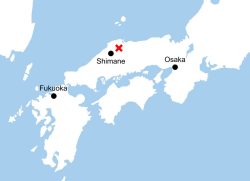
M6.2 Earthquake Hits Japan's Tottori, Shimane Prefectures; No Tsu...
-
Japan, Qatar Ministers Agree on Need for Stable Energy Supplies; ...
-

Japan, Italy to Boost LNG Cooperation; Aimed at Diversifying Japa...
Top Articles in Science & Nature
-
Univ. in Japan, Tokyo-Based Startup to Develop Satellite for Disaster Prevention Measures, Bears
-
Japan Institute to Use Domestic Commercial Optical Lattice Clock to Set Japan Standard Time
-
Space Mission Demonstrates Importance of International Cooperation, Astronaut Kimiya Yui Says
-
Japan to Face Shortfall of 3.39 Million Workers in AI, Robotics in 2040; Clerical Workers Seen to Be in Surplus
-
Japanese Astronaut Suwa to Stay Aboard ISS Until Around 2027; Japan’s 8th Astronaut to Have Long-Term Stay Aboard ISS
JN ACCESS RANKING
-
Univ. in Japan, Tokyo-Based Startup to Develop Satellite for Disaster Prevention Measures, Bears
-
JAL, ANA Cancel Flights During 3-day Holiday Weekend due to Blizzard
-
China Confirmed to Be Operating Drilling Vessel Near Japan-China Median Line
-
Japan Institute to Use Domestic Commercial Optical Lattice Clock to Set Japan Standard Time
-
China Eyes Rare Earth Foothold in Malaysia to Maintain Dominance, Counter Japan, U.S.