
Japan to Start Producing Gallium in Australia, Looking to Ensure Stable Supply
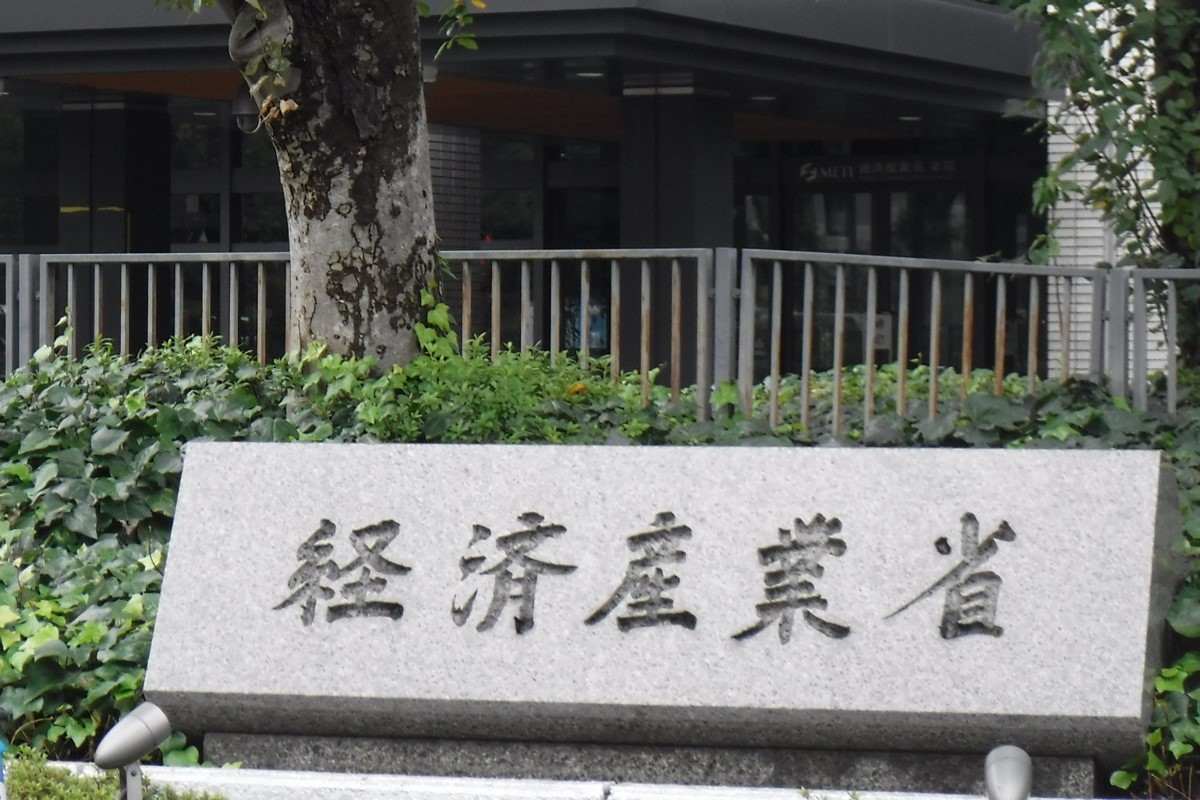
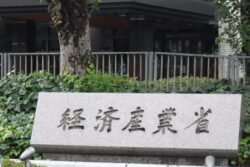
The Economy, Trade and Industry Ministry building in Chiyoda Ward, Tokyo.
14:54 JST, August 3, 2025
The Japanese government, in cooperation with Japanese and U.S. companies, will set up a facility in Australia for producing gallium, as it looks to reduce dependence on China and establish its own system for producing the rare metal.
Gallium is an important mineral essential for making semiconductors. It is used in a wide range of products, including power semiconductors for electric vehicles, LEDs and radar systems.
However, China controls 96% of the metal’s global production, excluding recycling, and it has tightened its export controls, making it difficult for Japan to ensure a stable supply. The government hopes its plan will strengthen Japan’s economic security. The plan could be officially announced as soon as Aug. 4.
The Japan Organization for Metals and Energy Security (JOGMEC), which is under the jurisdiction of the Economy, Trade and Industry Ministry, will establish a joint venture in Australia with major trading company Sojitz Corp. and U.S. aluminum giant Alcoa Corp., with production set to begin in 2026. Alcoa already owns an aluminum smelter in Australia.
Gallium can be extracted during the aluminum smelting process. Once the joint venture establishes a production facility, it will seek to reach an annual output of more than 55 tons of the metal in 2028, equal to the amount Japan imports from China.
In 2021, Japan used 167 tons of gallium, of which 97 tons were imported. The country has been working to diversify its procurement sources, but 55 tons, or about 60% of imports, still come from China.
Since China tightened its export controls on gallium in August 2023, exports to Japan have fallen by 80% to 90%, to around 10 tons. Parts manufacturers that use gallium are managing to keep production going by recycling the metal and using existing inventory.
China has said that its export controls are not targeted at specific countries or regions, but they are viewed as retaliation against Japan, the United States and Europe, which have restricted exports to China in the advanced semiconductor sector.
Uncertainty about the future is also growing due to U.S.-China trade friction.
In April, China took measures to restrict exports of rare earths as part of its response to reciprocal tariffs imposed by U.S. President Donald Trump’s administration.
The governments of the United States and China agreed at a ministerial-level meeting in late July to seek an extension of their pause in tariffs and related measures, but the dispute seems liable to escalate at any time.
China controls a large part of the market for important minerals, as well as the smelting and refining processes, posing economic security risks for Japan.
Given the circumstances, the government plans to hasten the building of a procurement network that is not reliant on certain countries and to support related industries.




Popular Articles
Popular articles in the past 24 hours
-
Nikkei Stock Average Exceeds 54,000 for 1st Time
-
Japan, Qatar Ministers Agree on Need for Stable Energy Supplies; ...
-

Milano Cortina 2026: Japanese Bobsleigh Athletes Lose Chance to C...
-
Poems on Brightness Recited at Imperial New Year's Reading; Princ...
-

Japanese PM Takaichi, South Korean President Lee Play Drums in Na...
-

Japan-South Korea Summit: Build up Cooperation through Frequent R...
-
Construction Crane Falls onto a Moving Train in Thailand, Killing...
-
Houses at UNESCO World Heritage Site Shirakawa-go Illuminated for...
Popular articles in the past week
-
JAL, ANA Cancel Flights During 3-day Holiday Weekend due to Blizz...
-
China Confirmed to Be Operating Drilling Vessel Near Japan-China ...
-
Univ. in Japan, Tokyo-Based Startup to Develop Satellite for Disa...
-

Honda to Launch New Electric Motorbike in Vietnam
-

Japan's ANA to Introduce Nationwide Logistics Service Using Drone...
-

10 Universities in Japan, South Korea, Mongolia to Establish Acad...
-

Inclusive Society / Japan's Remote Tourist Areas See Deluge of Fo...
-

At 58, the World's Oldest Professional Soccer Player Says He Is O...
Popular articles in the past month
-
As Chinese Tourists Shun Japan, Hotels and Stores Suffer
-
BOJ Gov. Ueda: Highly Likely Mechanism for Rising Wages, Prices W...
-
Core Inflation in Tokyo Slows in December but Stays above BOJ Tar...
-

Osaka-Kansai Expo's Economic Impact Estimated at ¥3.6 Trillion, T...
-
Japan Govt Adopts Measures to Curb Mega Solar Power Plant Project...
-
Economic Security Panels Debate Supply Chains, Rare Earths; Parti...
-
Japan, U.S. Start Talks on Tokyo's $550 Bil. Investment in U.S.; ...
-

Tokyo Ranks 2nd in Global Power City Index, Highest-Ever Position...
"Politics" POPULAR ARTICLE
-

Japanese Language Requirement Eyed for Permanent Residency Status; LDP Plans Revisions of Laws on Foreigners
-
-250x167.jpg)
Japan Eyes Plan to Accept Up To 1.23 Mil. Foreign Workers by End of Fiscal 2028
-
AI-Driven ‘Zero Clicks’ Phenomenon Threatens Democracy; News Outlets Must Be Able to Recover Costs, Stay Independent
-
Japanese Public, Private Sectors to Partner on ¥3 Tril. Project to Develop Domestic AI, SoftBank to Be Key Firm Involved
-
Japan’s Defense Ministry to Extend Reemployment Support for SDF Personnel to Age 65; Move Comes Amid Ongoing Labor Shortage
JN ACCESS RANKING
-
As Chinese Tourists Shun Japan, Hotels and Stores Suffer
-
BOJ Gov. Ueda: Highly Likely Mechanism for Rising Wages, Prices Will Be Maintained
-
Core Inflation in Tokyo Slows in December but Stays above BOJ Target
-
Osaka-Kansai Expo’s Economic Impact Estimated at ¥3.6 Trillion, Takes Actual Visitor Numbers into Account
-
Japan Govt Adopts Measures to Curb Mega Solar Power Plant Projects Amid Environmental Concerns