
Japan Prime Minister Shigeru Ishiba Likely to Step down Following Japan-U.S. Trade Deal
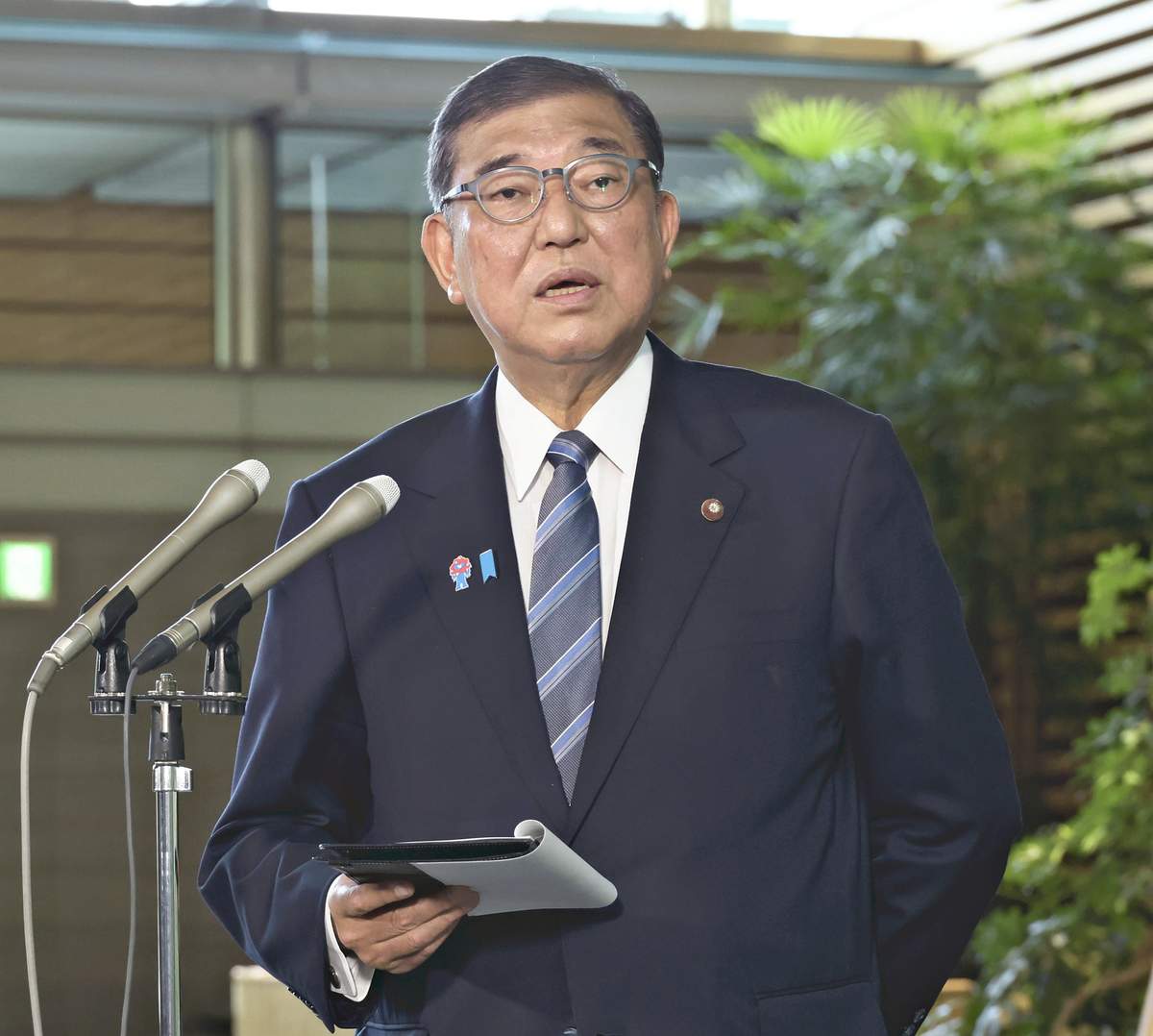
Prime Minister Shigeru Ishiba speaks to reporters at the Prime Minister’s Office in Tokyo on Wednesday.
16:50 JST, July 23, 2025
Prime Minister Shigeru Ishiba intends to step down, following the conclusion of a Japan-U.S. tariff agreement, sources have told The Yomiuri Shimbun.
Ishiba, who is also the president of the Liberal Democratic Party, is expected to officially announce his resignation as early as the end of the month.
After the LDP-Komeito ruling coalition suffered a crushing defeat in Sunday’s House of Councillors election, Ishiba said Monday that he would stay in office, citing the need to deal with such issues as the U.S. tariff measures. “We must fulfill our responsibility as the largest party in the Diet,” Ishiba said at a press conference. But there were growing calls within the LDP for Ishiba to step down.
Ishiba is believed to have told those around him that because Japan and the United States had now concluded their tariff negotiations, which had been the biggest pending issue between the two countries, he would take responsibility for the election results by stepping down.
The LDP will now begin discussing when to schedule a presidential election to select a successor.
“I will make a final decision [on whether to step down] based on the results of the tariff negotiations. I cannot comment further until I have carefully examined the details of the agreement,” Ishiba told reporters at the Prime Minister’s Office on Wednesday morning. He also indicated his intention to hold a meeting with U.S. President Donald Trump.
Economic revitalization minister Ryosei Akazawa, who held ministerial talks on tariffs in Washington on Monday, is expected to return home as early as Thursday. Ishiba is expected to decide when to announce his resignation and when that resignation will become effective after receiving a detailed report on the agreement from Akazawa, taking into consideration the possibility of a Japan-U.S. summit meeting and other items on the political schedule.
On Tuesday evening, Ishiba told those around him that the tariff negotiations are a matter of national interest, and that he will explain how he will take responsibility for the results of the upper house election once there are clear prospects for the negotiations to be resolved. He said Wednesday that his stance remained unchanged.
The party also suffered severe losses in the Tokyo metropolitan assembly election in June and the House of Representatives election in October last year.
After Ishiba’s announcement that he would stay in office, dissatisfaction was spreading throughout the party, along with movements toward ousting him. Given these factors, along with a lack of progress in coordinating a partial coalition, in which the ruling parties would cooperate with opposition parties on a policy-by-policy basis, Ishiba is believed to have decided that his resignation would be necessary for the party to be rebuilt.
On Tuesday, some mid-level LDP lawmakers and others wanting the prime minister to step down launched a campaign to collect signatures in support of that goal.
The LDP and Komeito won only 47 seats in Sunday’s election, significantly down from the combined 66 seats they were defending, and falling short of the 50 seats that Ishiba had set as a “must-win target.”
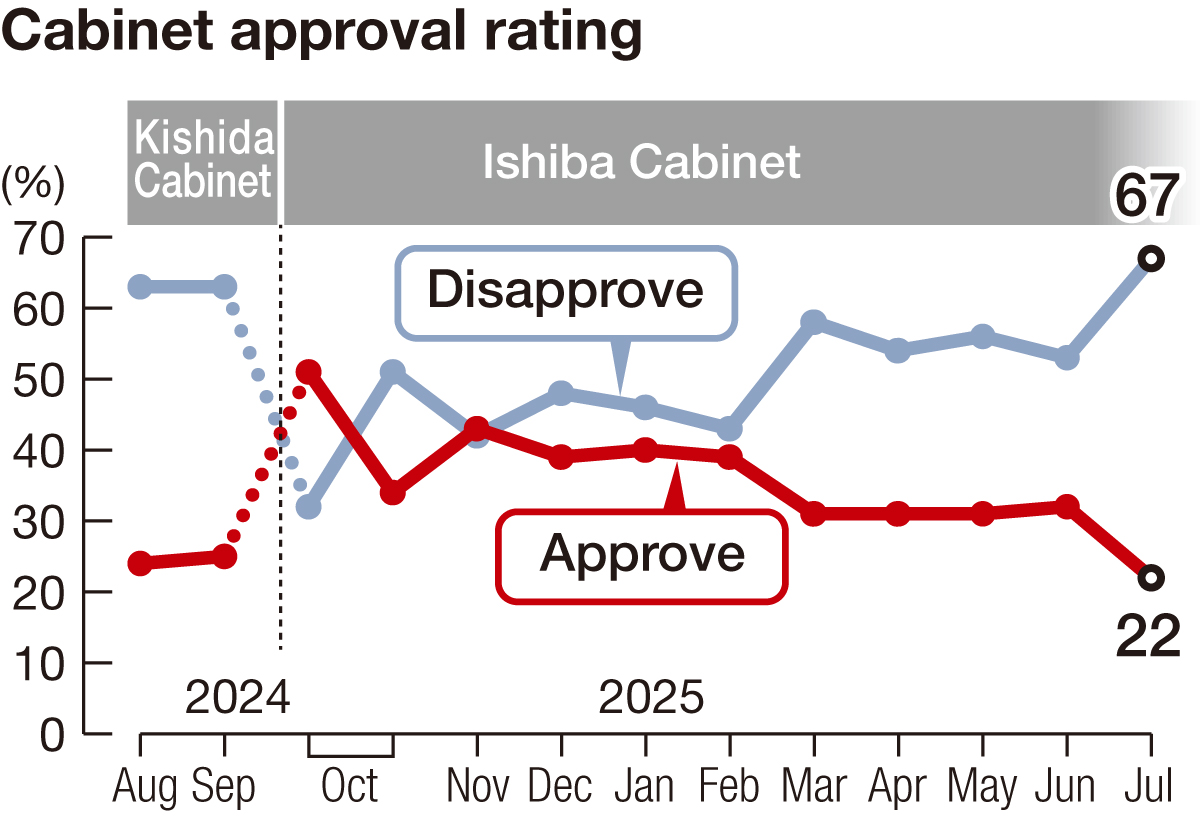
Ishiba Cabinet Approval Rating Plummets to 22% Following Heavy Loss in House of Councillors Election


Related Tags
-250x171.jpg)



Most Read
Popular articles in the past 24 hours
-

Israeli Ambassador to Japan Speaks about Japan’s Role in the Reco...
-

TEPCO to Reactivate Nuclear Reactor at Kashiwazaki-Kariwa Power P...
-

Tae Hitoto Leads Japanese Cyclists Planning Trip Around Taiwan to...
-

Japan’s Govt Sets Goal for World’s No. 3 in Number of Highly Cite...
-
‘Bonbon Drop’ 3D Stickers Fly Off Shelves in Japan
-

Shirakawa Ice Pillars Hit Seasonal Peak in Nagano Pref.
-

Japan IT Groups Urge Apple, Google to Waive New Commissions
-

Japan’s Nikkei Stock AverageRallies on Earnings in Unsteady Trade...
Popular articles in the past week
-

Man Infected with Measles May Have Come in Contact with Many Peop...
-
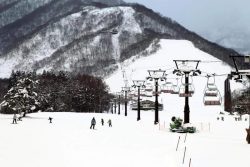
Australian Woman Dies After Mishap on Ski Lift in Nagano Prefectu...
-
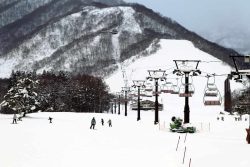
Foreign Snowboarder in Serious Condition After Hanging in Midair ...
-

Chinese Embassy in Japan Reiterates Call for Chinese People to Re...
-
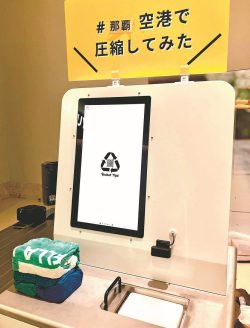
Narita Airport, Startup in Japan Demonstrate Machine to Compress ...
-

Toyota Motor Group Firm to Sell Clean Energy Greenhouses for Stra...
-

Beer Yeast Helps Save Labor, Water Use in Growing Rice; Govt Hope...
-
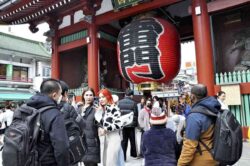
Japan Tourism Agency Calls for Strengthening Measures Against Ove...
Popular articles in the past month
-
Univ. in Japan, Tokyo-Based Startup to Develop Satellite for Disa...
-
JAL, ANA Cancel Flights During 3-day Holiday Weekend due to Blizz...
-

Japan Institute to Use Domestic Commercial Optical Lattice Clock ...
-

China Eyes Rare Earth Foothold in Malaysia to Maintain Dominance,...
-
China Confirmed to Be Operating Drilling Vessel Near Japan-China ...
-
Man Infected with Measles May Have Come in Contact with Many Peop...
-

Japan, Qatar Ministers Agree on Need for Stable Energy Supplies; ...
-
Australian Woman Dies After Mishap on Ski Lift in Nagano Prefectu...
Top Articles in Politics
-
Japan Tourism Agency Calls for Strengthening Measures Against Overtourism
-

Japan Seeks to Enhance Defense Capabilities in Pacific as 3 National Security Documents to Be Revised
-

Japan’s Prime Minister: 2-Year Tax Cut on Food Possible Without Issuing Bonds
-

Voters Using AI to Choose Candidates in Japan’s Upcoming General Election; ChatGPT, Other AI Services Found Providing Incorrect Information
-
Japan-South Korea Leaders Meeting Focuses on Rare Earth Supply Chains, Cooperation Toward Regional Stability
JN ACCESS RANKING
-
Univ. in Japan, Tokyo-Based Startup to Develop Satellite for Disaster Prevention Measures, Bears
-
JAL, ANA Cancel Flights During 3-day Holiday Weekend due to Blizzard
-
Japan Institute to Use Domestic Commercial Optical Lattice Clock to Set Japan Standard Time
-
China Eyes Rare Earth Foothold in Malaysia to Maintain Dominance, Counter Japan, U.S.
-
Man Infected with Measles May Have Come in Contact with Many People in Tokyo, Went to Store, Restaurant Around When Symptoms Emerged