
LDP Presidential Election Likely to be Held Sept. 20 or 27; Campaign Period Could Be Extended
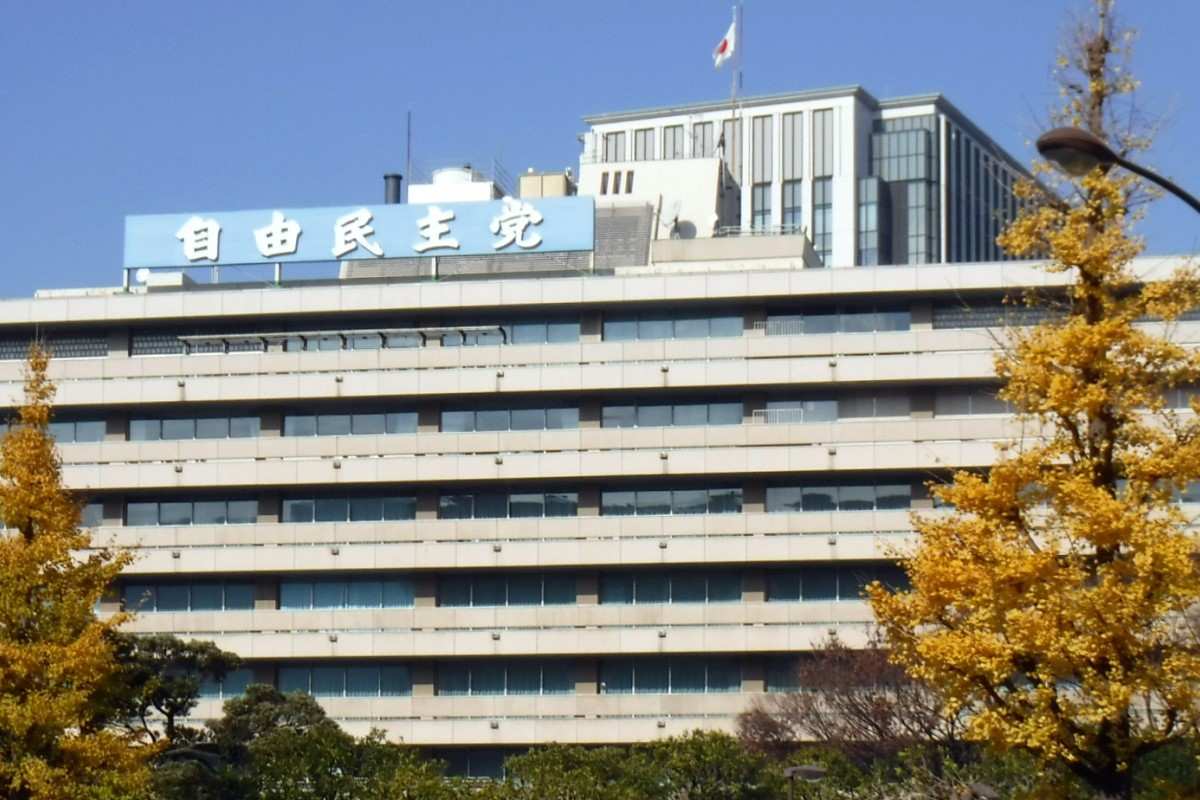
The Liberal Democratic Party’s headquarters in Chiyoda Ward, Tokyo.
6:00 JST, August 17, 2024
Sept. 20 and Sept. 27 are shaping up to be the most likely dates for the Liberal Democratic Party’s upcoming presidential election.
The ruling party on Tuesday will decide the date of the election, which must be held between Sept. 20 and 29. The LDP intends to set a longer campaign period than usual to allow for fruitful debates among the candidates and ensure many people are aware of the process of selecting a new party leader.
According to the LDP’s rules for picking its president by popular vote, the election campaign period must be at least 12 days long, except in special cases. When Prime Minister Shinzo Abe in 2020 announced he would resign, Yoshihide Suga became party leader after a campaign period of just six days.
Most recent campaigns have lasted 12 or 13 days, but the party is considering extending it to about 15 days for this election.
During campaigning, candidates will go on the stump across the nation to give speeches and attend discussion groups to conduct vigorous policy debates. The party aims for the candidates to make more media appearances in a bid to regain the trust of voters that has been badly dented by several LDP factions’ violations of the Political Funds Control Law.
The formation of a cabinet and appointment of LDP executives are scheduled to proceed after the election. There also have been whispers about the possibility of an early dissolution of the House of Representatives for a general election. The compilation of a draft supplementary budget to accompany measures intended to combat the increasing cost of living also is expected this autumn.
“Holding the vote on Sept. 20 would create more leeway in the autumn political calendar,” a senior government official said.
If the election were held on Sept. 27, the campaign period would overlap with the main opposition Constitutional Democratic Party of Japan’s leadership election, which is scheduled for Sept. 23. Some LDP members have suggested this would reduce the amount of public attention given to the CDPJ vote.
A high-level general debate at the U.N. General Assembly in New York will start on Sept. 24, and arrangements are being made for talks between the leaders of the Quad nations — Japan, the United States, India and Australia — on the sidelines. If the LDP election is set for Sept. 27, Prime Minister Fumio Kishida could attend those events because he would still be LDP president.
For the new LDP leader, it would be challenging to fulfill the diplomatic schedule set for September. Even if the party election is held on Sept. 20, the winner would be appointed as the new prime minister during an extraordinary Diet session during the week starting Sept. 24 or later. As a result, Kishida likely would still attend the U.N. General Assembly even though the LDP will have chosen a new leader.
No Japanese prime minister has gone abroad on an official trip after a new LDP leader was elected since 2000, so Kishida’s visit to the United States – if it happens – would be very unusual.


Related Tags





Most Read
Popular articles in the past 24 hours
-

Japan Figure Skating Legend Yuzuru Hanyu Is Proud Disaster Surviv...
-
Massive Sewer Pipe Found Jutting Out of Highway in Osaka
-

Japan-U.S. Summit Likely to Focus on Middle East; Takaichi to Fac...
-

Hawaii Museum on Tsunami Including Japan's 2011 Disaster at Risk ...
-

15 Years since Great East Japan Earthquake: How Can Affected Area...
-
Japan Holds Memorial Events to Mark 15th Anniversary of 2011 Eart...
-

Japan Train Company to Increase Fares, Including in Tokyo Metropo...
-

Japan’s Mitsui O.S.K. Lines Container Ship Anchored in Persian Gu...
Popular articles in the past week
-

Ibaraki Pref.'s 1st Foreign Bus Driver Hired in Tsukuba
-

Nippon Life Insurance's U.S. Arm Sues OpenAI Over Legal Assistanc...
-
Japan Figure Skating Legend Yuzuru Hanyu Is Proud Disaster Surviv...
-
Govt to Utilize ODA for Ensuring Economic Security; Securing Ener...
-
Massive Sewer Pipe Found Jutting Out of Highway in Osaka
-

Amid Strait of Hormuz Blockade, Shipping Companies Scramble to Ge...
-

Beckoning Cats Get Makeover to Fit Modern Lifestyles with Sleek D...
-
Japan Govt Survey Finds Just 10% of Workers Want Working Hours to...
Popular articles in the past month
-

Producer Behind Pop Group XG Arrested for Cocaine Possession
-

Japan PM Takaichi’s Cabinet Resigns en Masse
-

Man Infected with Measles Reportedly Dined at Restaurant in Tokyo...
-

Videos Plagiarized, Reposted with False Subtitles Claiming ‘Ryuky...
-

iPS Treatments Pass Key Milestone, but Broader Applications Far f...
-

Sanae Takaichi Elected Prime Minister of Japan; Keeps All Cabinet...
-

Nepal Bus Crash Kills 19 People, Injures 25 Including One Japanes...
-

South Korea Tightens Rules on Foreigners Buying Homes in Seoul Me...
Top Articles in Politics
-
Japan PM Takaichi’s Cabinet Resigns en Masse
-
Sanae Takaichi Elected Prime Minister of Japan; Keeps All Cabinet Appointees from Previous Term
-

Japan’s Govt to Submit Road Map for Growth Strategy in March, PM Takaichi to Announce in Upcoming Policy Speech
-
CRA Leadership Election Will Center on Party Rebuilding; Lower House Defeat Leaves Divisions among Former CDPJ, Komeito Members
-
LDP Begins Training New Lawmakers to Avoid Scandal, Gaffes; Historic Victory in Latest Election Heightens Focus on Party
JN ACCESS RANKING
-
Producer Behind Pop Group XG Arrested for Cocaine Possession
-
Japan PM Takaichi’s Cabinet Resigns en Masse
-
Man Infected with Measles Reportedly Dined at Restaurant in Tokyo Station
-
Videos Plagiarized, Reposted with False Subtitles Claiming ‘Ryukyu Belongs to China’; Anti-China False Information Also Posted in Japan
-
iPS Treatments Pass Key Milestone, but Broader Applications Far from Guaranteed