
Japan’s Nikkei Stock Average Set for Biggest Weekly Drop in 11 Months on Middle East Conflict
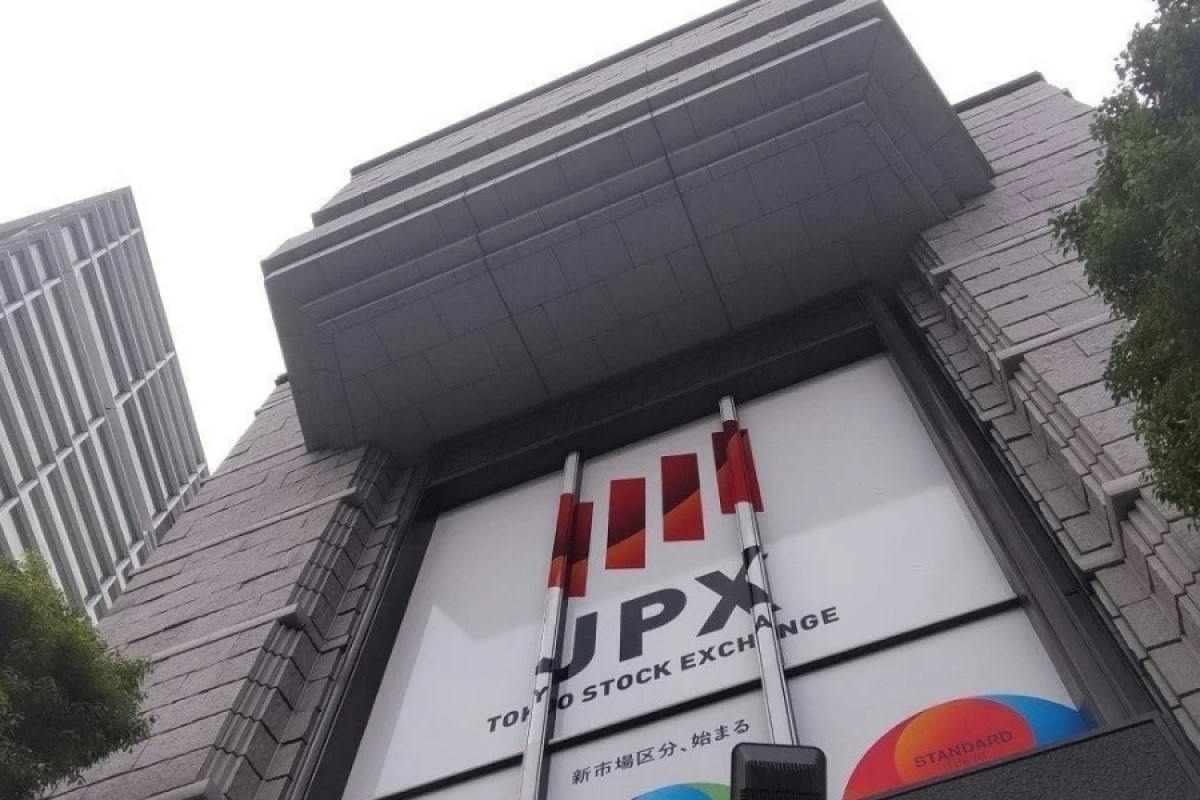
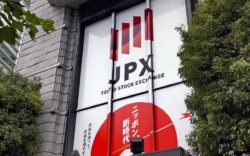
The Tokyo Stock Exchange
12:04 JST, March 6, 2026
TOKYO, March 6 (Reuters) – Japan’s Nikkei share average on Friday was on track for its steepest weekly percentage drop in almost a year, as renewed concerns over Middle East conflict prompted investors to sell riskier assets.
As of 0219 GMT, the Nikkei 225 Index .N225 was flat after dropping as much as 1.4% earlier in the day, on track for its worst weekly percentage decline since April 4. The benchmark index has lost nearly 6% so far this week. The broader Topix .TOPX held its ground at 3702.7.
“The (markets’) biggest concern is the rise in crude oil prices,” said Shota Sando, an equity market analyst at Tokai Tokyo Intelligence Laboratory. “If it becomes clear that oil prices aren’t likely to head toward the oft-cited $100 a barrel level, that would probably bring a sense of relief and help stabilize sentiment.”
The energy explorers’ index .IMING.T was among the worst performers in Tokyo Stock Exchange’s 33-sector sub-indexes, down nearly 3%. Shares of Inpex 1605.T fell 3% and Japan Petroleum Exploration 1662.T shed 2.6%.
The U.S. Treasury department is expected to announce measures aimed at combating rising energy prices in the wake of the Iran conflict soon, including potential action involving the oil futures market, Reuters reported.
Separately, Fujikura 5803.T, a cables and optical fiber producer, slumped 6.6%, as selling in U.S. optical-fiber stocks linked to AI data centers weighed on Japan’s nonferrous metals sector.
Casio Computer 6952.T tumbled 5.8% following an announcement that the calculator maker will be removed from the Nikkei gauge from April.
On the flip side, software-related shares rose, mirroring the U.S. markets overnight. Shift 3697.T gained 6.6% and Baycurrent 6532.T advanced 6.2%.
There were 101 advancers in the Nikkei against 122 decliners.







Most Read
Popular articles in the past 24 hours
-

Amid Strait of Hormuz Blockade, Shipping Companies Scramble to Ge...
-

Japan Drafts New Measures against Tech Leakage on Government Fund...
-
Defense Against Cyberattacks Vital for Nations and Companies, Esp...
-

Former Unification Church: Proceed Steadily with Liquidation to P...
-
Signboard Collapses on Visitors from Taiwan at Farm in Japan’s To...
-

Space One's No. 3 Kairos Rocket Terminates Mid-Flight
-

Ibaraki Pref.'s 1st Foreign Bus Driver Hired in Tsukuba
-

Milano Cortina 2026: China Beats Japan for Upset Victory in Wheel...
Popular articles in the past week
-
South Korea Tightens Rules on Foreigners Buying Homes in Seoul Me...
-
Tokyo Spends Big on Children, Wins Over Parents
-

Japan’s Miura, Kihara Announce Withdrawal from Figure Skating Wor...
-
2 Unpublished Early Novellas by Japan's Kenzaburo Oe Discovered, ...
-

Strait of Hormuz Closure Shakes Markets; Prolonged Closure Could ...
-
Nidec Chairman Resigns Amid Accounting Scandal at Major Japanese ...
-
Tourists Ignore Safety Barriers Near Famous Zao ‘Snow Monsters’ i...
-

Iran Situation: Japan Must Exert Diplomatic Efforts without Merel...
Popular articles in the past month
-

Producer Behind Pop Group XG Arrested for Cocaine Possession
-

Japan PM Takaichi’s Cabinet Resigns en Masse
-

Man Infected with Measles Reportedly Dined at Restaurant in Tokyo...
-

Videos Plagiarized, Reposted with False Subtitles Claiming ‘Ryuky...
-

Prudential Life Insurance Plans to Fully Compensate for Damages C...
-

Woman with Measles Visited Hospital in Tokyo Multiple Times Befor...
-

iPS Treatments Pass Key Milestone, but Broader Applications Far f...
-

Sanae Takaichi Elected Prime Minister of Japan; Keeps All Cabinet...
Top Articles in News Services
-
Survey Shows False Election Info Perceived as True
-
Hong Kong Ex-Publisher Jimmy Lai’s Sentence Raises International Outcry as China Defends It
-
Japan’s Nikkei Stock Average Falls as US-Iran Tensions Unsettle Investors (UPDATE 1)
-
Japan’s Nikkei Stock Average Touches 58,000 as Yen, Jgbs Rally on Election Fallout (UPDATE 1)
-
Japan’s Nikkei Stock Average Rises on Tech Rally and Takaichi’s Spending Hopes (UPDATE 1)
JN ACCESS RANKING
-
Producer Behind Pop Group XG Arrested for Cocaine Possession
-
Japan PM Takaichi’s Cabinet Resigns en Masse
-
Man Infected with Measles Reportedly Dined at Restaurant in Tokyo Station
-
Videos Plagiarized, Reposted with False Subtitles Claiming ‘Ryukyu Belongs to China’; Anti-China False Information Also Posted in Japan
-
Prudential Life Insurance Plans to Fully Compensate for Damages Caused by Fraudulent Actions Without Waiting for Third-Party Committee Review