
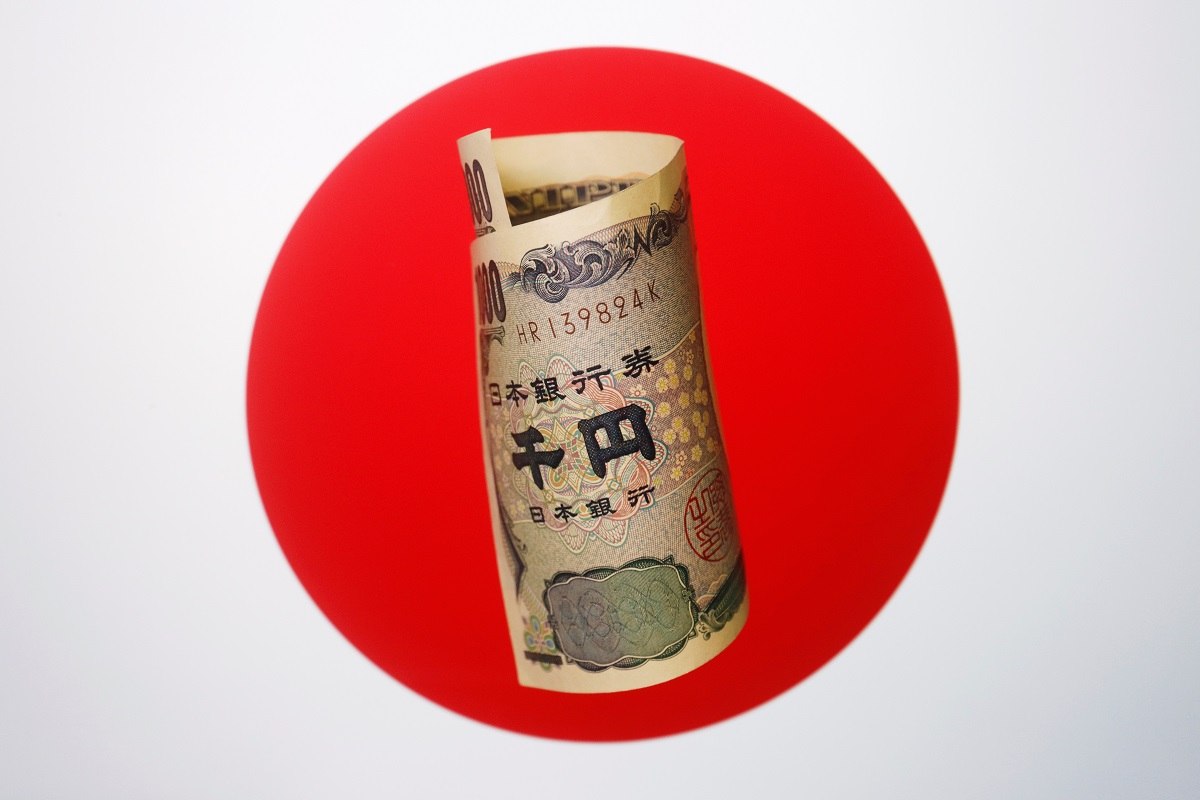
A banknote of Japanese yen is seen in this illustration picture taken June 15, 2022.
13:40 JST, March 18, 2024
TOKYO (Reuters) – As Japan nears an end to eight years of negative interest rates, a regional lender in Kyoto is offering e-learning to train up staff who have no experience lending money or collecting deposits in a positive interest rate environment.
One of the sessions, targeting roughly 3,300 Bank of Kyoto employees, explains why interest rates are important, how the lending rate is set and how rising interest rates affect the bank’s business and its clients.
In other sessions, the bank’s older executives with experience of the days when Japan had positive interest rates share their know-how on convincing borrowers to swallow higher charges.
The e-training, which is offered in sessions of about 30 minutes viewable on smartphones, also aims to get younger staff geared up for intensifying competition to attract deposits, which until now had been a liability as lenders sat on a huge pile of money.
Other sessions offer more practical guidance on how to explain to borrowers that lending rates will rise and to increase deposits through better communication with customers.
“It’s pretty basic because we want younger staff, in particular, to understand what it’s like in a world where interest rates are positive,” Tadashi Shimamoto, deputy general manager at Bank of Kyoto’s human resources and general affairs division, said in an interview.
“It’s crucial to have our staff understand that things are quite different when interest rates rise, and to change their mindset so we’re ready when the moment comes,” he added.
Japan has seen its policy rates stuck at or below zero for decades due to prolonged low inflation and economic stagnation.
In the meantime, ordinary depositors have received only a tiny amount of interest on savings and mortgage rates have been very low.
But with inflation exceeding the Bank of Japan’s (BOJ) 2% target for over a year, the central bank is seen pulling short-term interest rates out of negative territory as early as Tuesday.
Any such move, which would be Japan’s first interest rate hike since 2007, will likely force lenders and borrowers to overhaul their planning based on the assumption that cheap cash would remain abundant for years.
Bank of Kyoto hired about 150 new graduates last year, and plans to hire another 180 this spring. The lender said it began preparing the e-learning sessions from the start of this year, when the BOJ began dropping hints of a near-term end to negative interest rates.
“For our younger staff, interest rate have been stuck at zero throughout their career, so it’s the first time they will see rates go up,” Shimamoto said. “It’s uncharted territory, a whole new world for them.”








Most Read
Popular articles in the past 24 hours
-

Hawaii Museum on Tsunami Including Japan's 2011 Disaster at Risk ...
-

Japan Train Company to Increase Fares, Including in Tokyo Metropo...
-

Tail of ANA Plane Struck Runway During Landing in Houston; No Inj...
-

Samurai Japan Holds First Practice in Miami; Team Will Play again...
-

Iran Targets Busiest International Airport as Top UN Body Demands...
-

Japan to Face Venezuela in World Baseball Classic Quarterfinals
-

North Korean Leader Kim and His Daughter Try out New Pistols at S...
-

Japan Govt to Tighten Requirements to Receive Permanent Residency...
Popular articles in the past week
-

Japan Figure Skating Legend Yuzuru Hanyu Is Proud Disaster Surviv...
-

Nippon Life Insurance's U.S. Arm Sues OpenAI Over Legal Assistanc...
-

Ibaraki Pref.'s 1st Foreign Bus Driver Hired in Tsukuba
-
Govt to Utilize ODA for Ensuring Economic Security; Securing Ener...
-

Massive Sewer Pipe Found Jutting Out of Highway in Osaka
-

Amid Strait of Hormuz Blockade, Shipping Companies Scramble to Ge...
-

Beckoning Cats Get Makeover to Fit Modern Lifestyles with Sleek D...
-
Japan Govt Survey Finds Just 10% of Workers Want Working Hours to...
Popular articles in the past month
-

Producer Behind Pop Group XG Arrested for Cocaine Possession
-

Japan PM Takaichi’s Cabinet Resigns en Masse
-

Man Infected with Measles Reportedly Dined at Restaurant in Tokyo...
-

Videos Plagiarized, Reposted with False Subtitles Claiming ‘Ryuky...
-

iPS Treatments Pass Key Milestone, but Broader Applications Far f...
-

Sanae Takaichi Elected Prime Minister of Japan; Keeps All Cabinet...
-

Nepal Bus Crash Kills 19 People, Injures 25 Including One Japanes...
-

South Korea Tightens Rules on Foreigners Buying Homes in Seoul Me...
Top Articles in News Services
-
Survey Shows False Election Info Perceived as True
-

Japan’s Nikkei Stock Average Falls as US-Iran Tensions Unsettle Investors (UPDATE 1)
-
Japan’s Nikkei Stock Average Rises on Tech Rally and Takaichi’s Spending Hopes (UPDATE 1)
-

Japan to Ban Use of Power Banks on Airplanes
-

North Korea Unveils Image of Kim Jong Un’s Teenage Daughter Firing Rifle
JN ACCESS RANKING
-
Producer Behind Pop Group XG Arrested for Cocaine Possession
-
Japan PM Takaichi’s Cabinet Resigns en Masse
-
Man Infected with Measles Reportedly Dined at Restaurant in Tokyo Station
-
Videos Plagiarized, Reposted with False Subtitles Claiming ‘Ryukyu Belongs to China’; Anti-China False Information Also Posted in Japan
-
iPS Treatments Pass Key Milestone, but Broader Applications Far from Guaranteed