
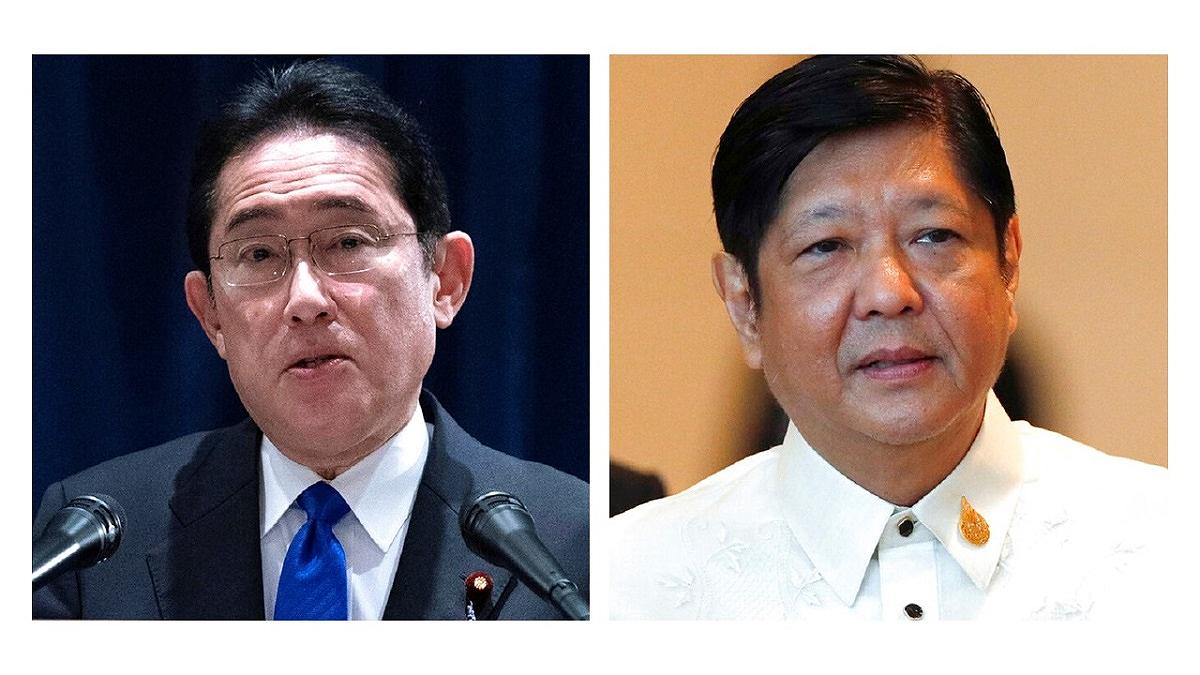
Japanese Prime Minister Fumio Kishida, left, and Philippine President Ferdinand Marcos Jr.
18:06 JST, February 9, 2023
TOKYO, Feb 9 (Reuters) – Japan and the Philippines signed an agreement on disaster relief on Thursday, a deal seen as a precursor to closer security ties between the two nations at a time of heightened tensions with China.
The deal signing by officials from both sides was broadcast by Philippines state media. It was part of seven agreements struck during an official visit by President Ferdinand Marcos Jr to Tokyo, state media said.
Japanese officials previously told Reuters that the disaster relief deal would make it easier to establish a broader legal framework allowing Japanese forces to deploy to the Philippines.
Some lawmakers in the Philippines have called for the country to sign a so-called visiting forces agreement with Japan, which allows them to deploy forces on each other’s soil. Tokyo recently signed such deals with Australia and Britain, and also hosts the biggest concentration of U.S. forces abroad.
Marcos, who said his visit to Japan was aimed at forging “stronger defense and security cooperation” among other matters, last week signed an agreement granting the United States greater access to military bases in the Philippines.








Most Read
Popular articles in the past 24 hours
-
Japan Seeks to Counter China's Expanding Influence in Pacific by ...
-
Japan's Diet Begins Debate on Takaichi's Budget Plans, ‘Proactive...
-

Exhibition Featuring Yoshiharu Tsuge’s Manga World Underway in Ch...
-
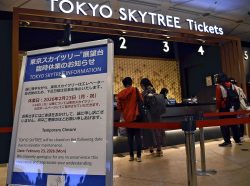
Tokyo Skytree Observation Deck Remains Closed for Inspection afte...
-

Impact on Japanese Economy Unclear with Trump’s New Tariffs, Shif...
-

Hanzomon Line Service Suspended between Kudanshita, Oshiage Stati...
-

Japan's Services Inflation Steady, Signals Wage-Driven Price Pres...
-
Nikkei Rises Over 700 Points to Hit New Intraday High
Popular articles in the past week
-

Producer Behind Pop Group XG Arrested for Cocaine Possession
-

Japan, U.S. Name 3 Inaugural Investment Projects; Reached Agreeme...
-

iPS Treatments Pass Key Milestone, but Broader Applications Far f...
-

Tokyo Skytree's Elevator Stops, Trapping 20 People; All Rescued (...
-

Director Naomi Kawase's New Film Explores Heart Transplants in Ja...
-

Japan’s Major Real Estate Firms Expanding Overseas Businesses to ...
-

Milano Cortina 2026: Japan’s Mari Fukada Wins Gold in Women’s Sno...
-

Milano Cortina 2026: Japanese Figure Skater Kaori Sakamoto’...
Popular articles in the past month
-
Producer Behind Pop Group XG Arrested for Cocaine Possession
-

Japan PM Takaichi’s Cabinet Resigns en Masse
-

Japan Institute to Use Domestic Commercial Optical Lattice Clock ...
-

Man Infected with Measles Reportedly Dined at Restaurant in Tokyo...
-

Israeli Ambassador to Japan Speaks about Japan’s Role in the Reco...
-

Videos Plagiarized, Reposted with False Subtitles Claiming ‘Ryuky...
-

Man Infected with Measles May Have Come in Contact with Many Peop...
-

Prudential Life Insurance Plans to Fully Compensate for Damages C...
Top Articles in News Services
-
Survey Shows False Election Info Perceived as True
-
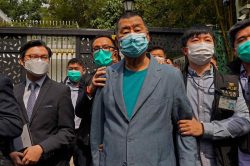
Hong Kong Ex-Publisher Jimmy Lai’s Sentence Raises International Outcry as China Defends It
-

Japan’s Nikkei Stock Average Touches 58,000 as Yen, Jgbs Rally on Election Fallout (UPDATE 1)
-
Japan’s Nikkei Stock Average Falls as US-Iran Tensions Unsettle Investors (UPDATE 1)
-

Trump Names Former Federal Reserve Governor Warsh as the Next Fed Chair, Replacing Powell
JN ACCESS RANKING
-
Producer Behind Pop Group XG Arrested for Cocaine Possession
-
Japan PM Takaichi’s Cabinet Resigns en Masse
-
Man Infected with Measles Reportedly Dined at Restaurant in Tokyo Station
-
Israeli Ambassador to Japan Speaks about Japan’s Role in the Reconstruction of Gaza
-
Videos Plagiarized, Reposted with False Subtitles Claiming ‘Ryukyu Belongs to China’; Anti-China False Information Also Posted in Japan