
Tower on Tokyo Lake Casts Bewitching Visions of a Wonderland, Provides City Residents with Drinking Water
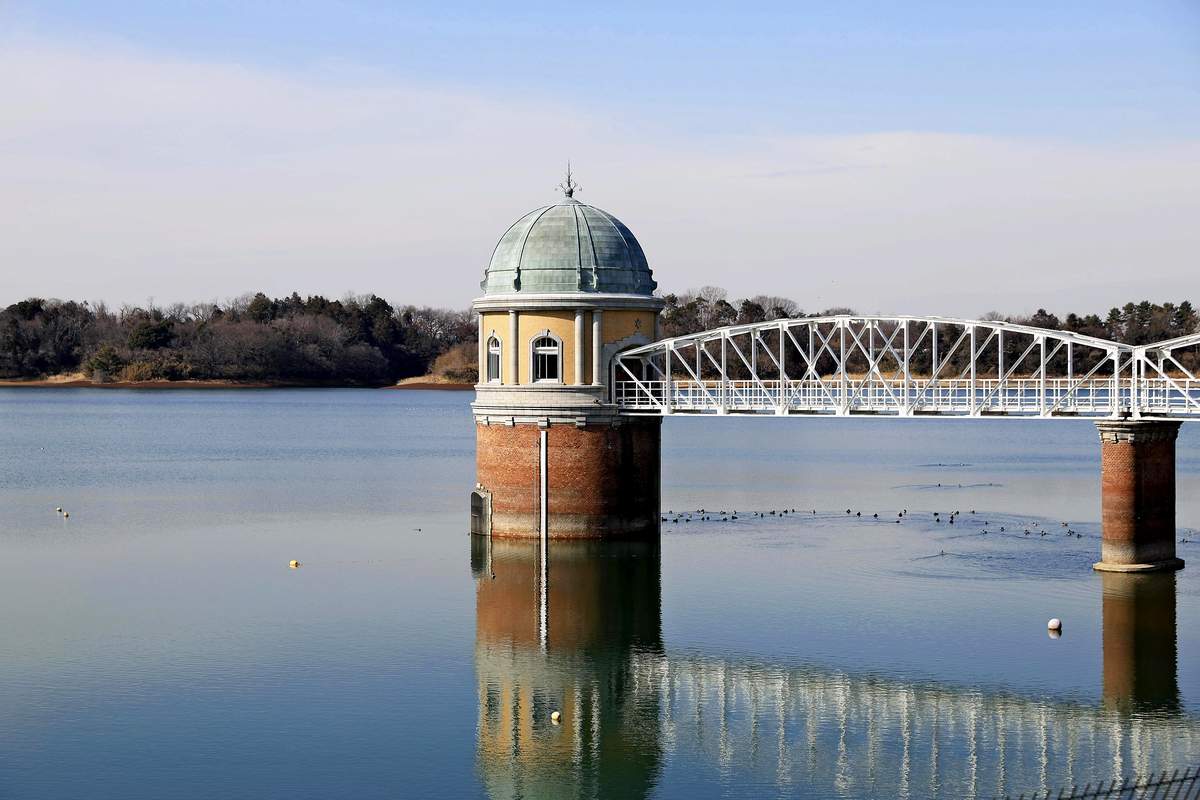
The First Intake Tower of the Lower Murayama Reservoir has a modern feel to it.
16:26 JST, April 1, 2025
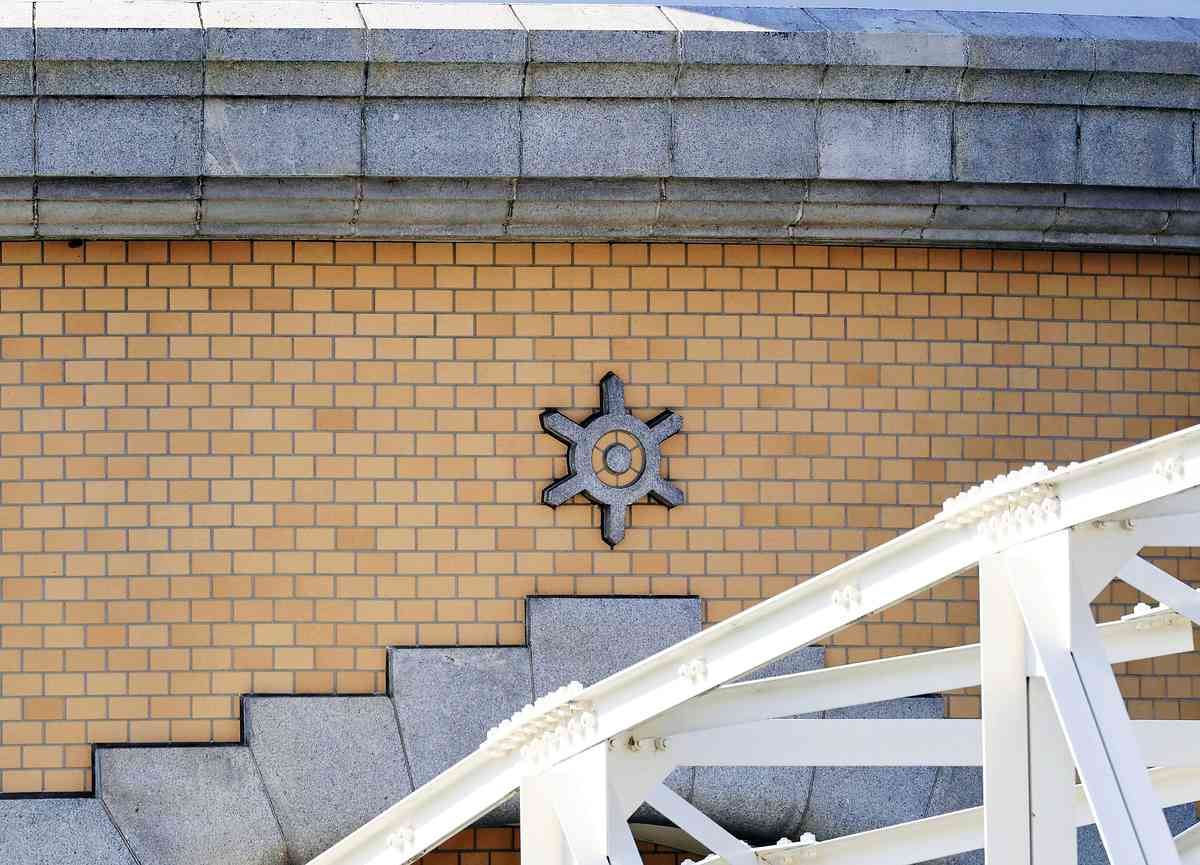
The Tokyo emblem on the front of the First Intake Tower
A domed tower rises from out of the rippling surface of a lake toward the blue sky. It looks like a scene from a fairy tale, but the setting is Higashi-Yamato in western Tokyo.
The building in question is the First Intake Tower of the Lower Murayama Reservoir, which supplies tap water to the capital. Completed in 1925, it is regarded as the most attractive water intake tower in Japan and has been designated as a historic structure by the Tokyo metropolitan government.
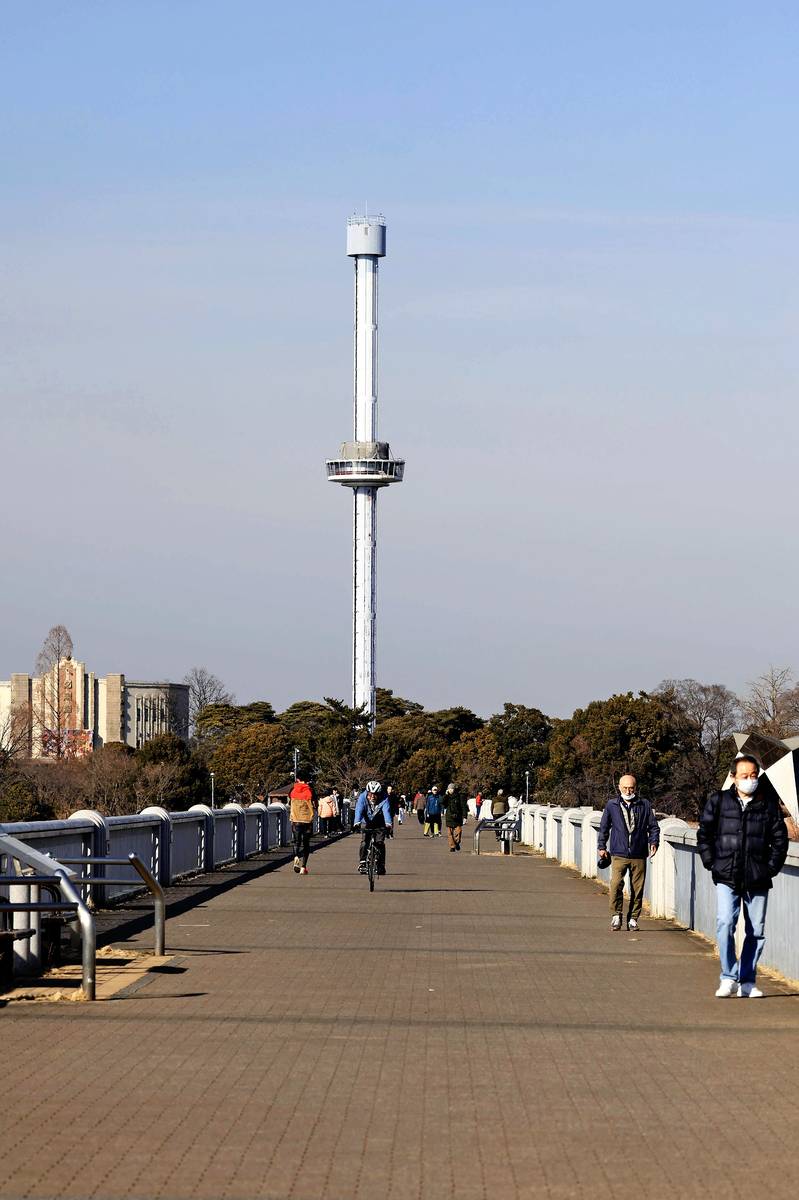
The embankment is 610 meters long. An observation tower at Seibuen Amusement Park is seen nearby.
The reservoir, together with the adjacent upper reservoir, is known as Lake Tama. The lake was built over more than 10 years, beginning in 1916, along with the Yamaguchi Reservoir — also known as Lake Sayama — to cope with rapid population growth. The three reservoirs can store about 34.35 million cubic meters of water. That is as much water as Tokyo residents currently use in about a week.
The First Intake Tower is 27.1 meters tall and 8.8 meters in diameter. The exterior walls, finished in tile, are accentuated by arched windows and decorative columns, and the verdigris on the copper-clad roof gives it a sense of history.
Visitors are not allowed across the bridge to the tower, but they can still see the Tokyo emblem on the facade by standing about 50 meters away on the embankment.
Water flows through seven openings on the tower to a water purification plant.
“It has a modern feel and looks especially beautiful with a sunset as its backdrop,” said Wataru Kiga, the director of the Hamura Weir Management Office, part of the Tokyo metropolitan government’s Waterworks Bureau. The office manages the tower. “It’s been exactly 100 years since the tower was completed, and having been repaired, it’s still functioning without a problem. It should be preserved for future generations.”
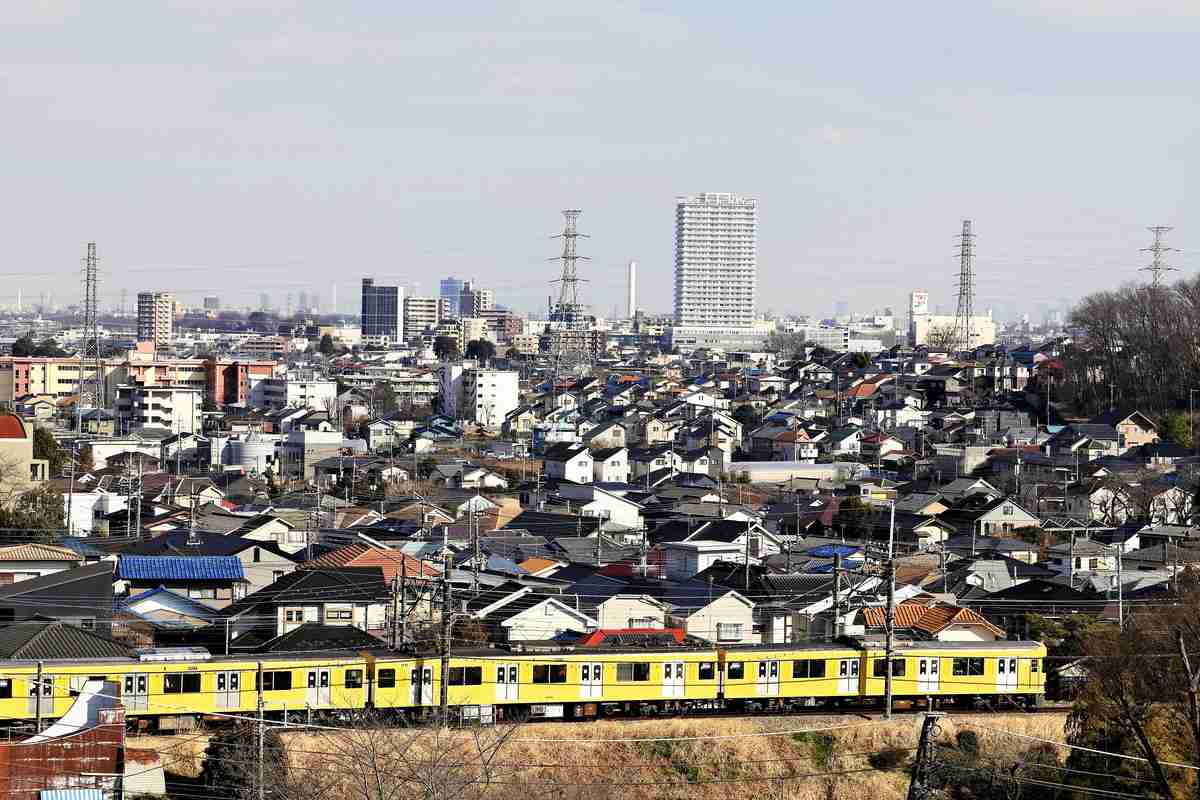
Tokyo spreads out to the east of the reservoir. You can sometimes see Tokyo Skytree and skyscrapers in Shinjuku from here.
The tower was also featured in a famous novel. In Shohei Ooka’s “Musashino Fujin” (“A Wife in Musashino”), published in 1950, a man and a woman living in the Musashino area go for a walk to the reservoir, but their train home is stopped by a typhoon, and they are stranded overnight at a hotel by the lake.
“A quaint, oddly shaped water intake tower, topped with a cupola, was sticking out of the water,” reads the novel.
Their one night at the hotel brings about a decisive development for the couple and their surroundings. With its air of foreignness, this tower that supports the lives of Tokyo residents invites us to imagine the mysterious.
First Intake Tower of Lower Murayama Reservoir
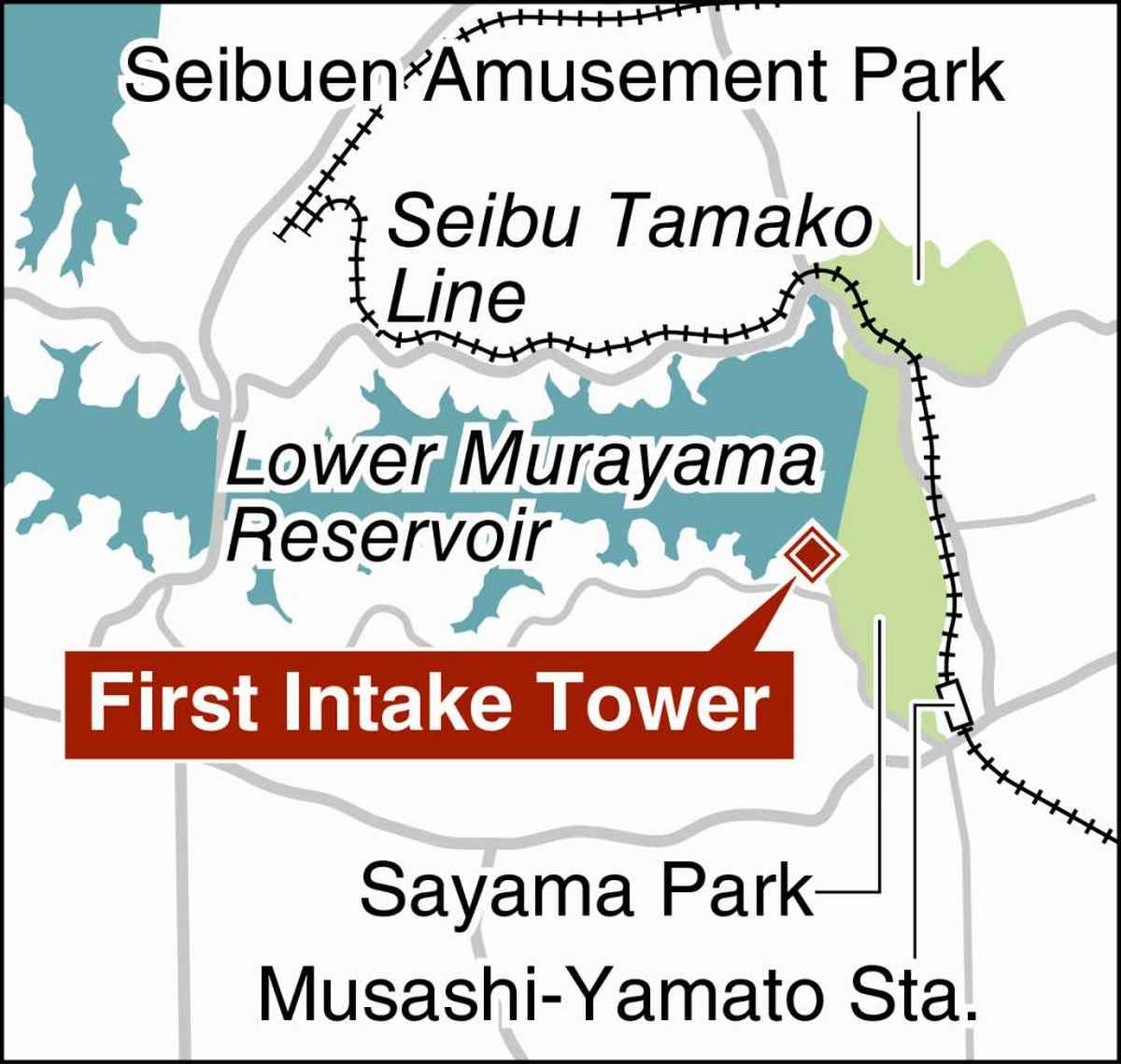
Address: 4-644, Tamako, Higashi-Yamato, Tokyo
Access: 15-minute walk from Musashi-Yamato Station on the Seibu Tamako Line
Memo: Embankment and Sayama Park open 24 hours a day. Behind the First Intake Tower is the Second Intake Tower, built in 1973 with the same design.


Related Tags



Most Read
Popular articles in the past 24 hours
-
Business Hotels Expanding into Regional Areas in Japan, Aiming to...
-
Milano Cortina 2026: Japan Sees Leap in Olympic Performance Throu...
-
6 Injured at Naked Festival in Japan’s Okayama Prefecture; Police...
-

Fiji Defense Minister Hopes Japan Will Support Stabilization of P...
-

Milano Cortina 2026: Malinin Highlights Dangers of Social Media i...
-

Space One Delays Launch of No. 3 Kairos Rocket; Company to Announ...
-

3rd Japan Pacific Islands Defense Dialogue to Begin in Tokyo on S...
-

Reciprocal Tariffs Ruled Illegal: Judiciary Would Not Tolerate Pr...
Popular articles in the past week
-

Japan PM Takaichi’s Cabinet Resigns en Masse
-

Man Infected with Measles Reportedly Dined at Restaurant in Tokyo...
-

Sanae Takaichi Elected Prime Minister of Japan; Keeps All Cabinet...
-

Japan's Govt to Submit Road Map for Growth Strategy in March, PM ...
-

Bus Carrying 40 Passengers Catches Fire on Chuo Expressway; All E...
-

Milano Cortina 2026: Figure Skaters Riku Miura, Ryuichi Kihara Pa...
-

Japan, U.S. Name 3 Inaugural Investment Projects; Reached Agreeme...
-

U.S. Firm to Build Training Hub in Fukushima N-plant for Debris R...
Popular articles in the past month
-
Japan PM Takaichi’s Cabinet Resigns en Masse
-

Japan Institute to Use Domestic Commercial Optical Lattice Clock ...
-

Israeli Ambassador to Japan Speaks about Japan’s Role in the Reco...
-
Man Infected with Measles Reportedly Dined at Restaurant in Tokyo...
-

Videos Plagiarized, Reposted with False Subtitles Claiming ‘Ryuky...
-

Man Infected with Measles May Have Come in Contact with Many Peop...
-

Prudential Life Insurance Plans to Fully Compensate for Damages C...
-

Woman with Measles Visited Hospital in Tokyo Multiple Times Befor...
Top Articles in Features
-
Tokyo’s New Record-Breaking Fountain Named ‘Tokyo Aqua Symphony’
-
Sapporo Snow Festival Opens with 210 Snow and Ice Sculptures at 3 Venues in Hokkaido, Features Huge Dogu
-

Tourists Flock to Ice Dome Lodge at Resort in Hokkaido, Japan; Facility Invites Visitors to Sleep on Beds Made of Ice
-

High-Hydration Bread on the Rise, Seeing Increase in Specialty Shops, Recipe Searches
-
Heirs to Kyoto Talent: Craftsman Works to Keep Tradition of ‘Kinran’ Brocade Alive Through Initiatives, New Creations
JN ACCESS RANKING
-
Japan PM Takaichi’s Cabinet Resigns en Masse
-
Japan Institute to Use Domestic Commercial Optical Lattice Clock to Set Japan Standard Time
-
Israeli Ambassador to Japan Speaks about Japan’s Role in the Reconstruction of Gaza
-
Man Infected with Measles Reportedly Dined at Restaurant in Tokyo Station
-
Videos Plagiarized, Reposted with False Subtitles Claiming ‘Ryukyu Belongs to China’; Anti-China False Information Also Posted in Japan