
Record 125 Firms Give Up TSE Listing This Year, Responding to Shareholder Demands, New Criteria
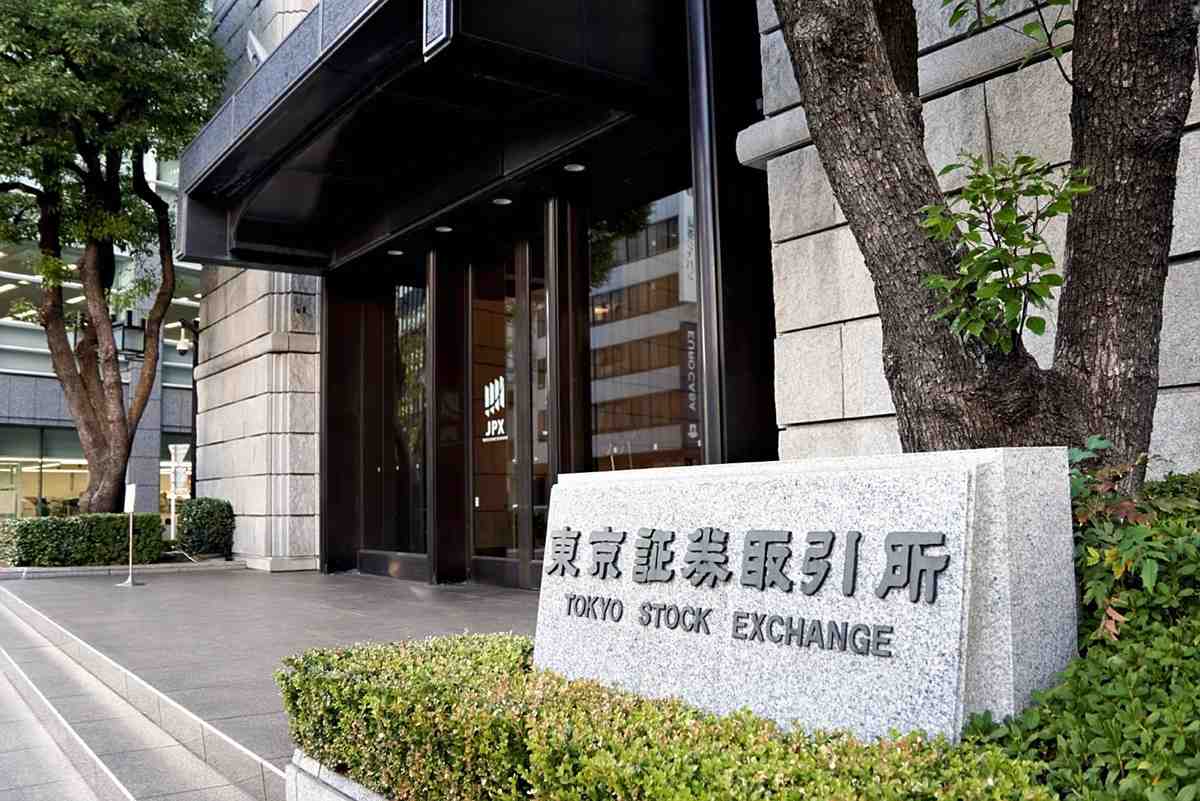
Tokyo Stock Exchange building in Chuo Ward, Tokyo
16:24 JST, December 26, 2025
A record 125 companies are expected to have withdrawn from the Tokyo Stock Exchange in 2025, up by 31 from the previous record marked last year, according to a Yomiuri Shimbun tally.
While most cite restructuring capital for growth as the reason, some of the moves are also driven by responses to activists, such as overseas investment funds, as well as the TSE’s tightened listing criteria. The listing, long seen as a status symbol for companies, has reached a turning point.
According to The Yomiuri Shimbun’s analysis based on data from TSE operator Japan Exchange Group, the breakdown of companies withdrawing from the list this year is as follows: 45 from the Prime Market, 59 from the Standard Market and 21 from the Growth Market.
In the Prime Market, Proto Corp., operator of the used car information site Goonet, left in June through a management buyout. In September, NTT Data Group Corp. delisted its shares as it became a wholly owned subsidiary of its parent company, NTT, Inc.
Meanwhile, 60 companies planned to pursue initial public offerings this year, meaning the number of companies withdrawing exceeds the number of companies aiming to be newly listed. As a result, 3,783 companies are expected to be listed in total, excluding the market for professional investors. The figure is 59 fewer than at the end of the previous year, marking a second consecutive year of decline.
Challenges
A notable trend is that of companies voluntarily being delisted due to tightened market criteria or at the request of investors.
As part of its 2022 market restructuring, the TSE established “continued listing criteria” for Prime-listed companies, including that they have “a market capitalization of at least ¥10 billion in tradable stocks.” In 2023, the TSE also requested listed companies to take “action to implement management that is conscious of cost of capital and stock price.” The burden has increased on companies to meet these criteria and requests.
Furthermore, companies have shifted their mindset due to the growing influence of activists, such as entities related to the now-defunct Murakami Fund, who criticize low stock prices and poor capital efficiency. Many companies dislike being pressured by investors for shareholder returns, such as an aggressive dividend policy or short-term profit distributions.
“Previously, listing was seen as a kind of status symbol, and many companies found benefits beyond just raising funds,” said Akihiro Kido, joint head of Mizuho Securities Co.’s Investment Banking Business Division. “However, more companies now struggle to cope with shareholders, leading some companies to think of listing as a significant disadvantage.”
More withdrawals
Will more companies choose to delist going forward?
Transitional measures applied to companies that have not met the new criteria expired in March 2025. Up until then, companies felt no impact even if they failed to meet the criteria. But for companies whose fiscal years end in March, failure to meet them will result in mandatory delisting starting October 2026.
As of Wednesday, 104 companies did not meet the criteria, and some of them might be forced to be delisted.
“The cost of continued listing is expected to rise,” Atsushi Kamio, senior researcher at Daiwa Institute of Research Ltd., said. “Increased corporate turnover is positive for the market, so the number of firms delisting will likely increase.”




Popular Articles
Popular articles in the past 24 hours
-

Immersive Fort Tokyo to Close After Less Than 2 Years; Theme Park...
-

As Bird Flu Pushes Egg Prices Higher, Japan's Agriculture Ministr...
-
AI-Driven ‘Zero Clicks’ Phenomenon Threatens Democracy; News Outl...
-
Neck of Toyotomi Hideyoshi Statue in Nagoya Broken: Possibility o...
-

Core Inflation in Tokyo Slows in December but Stays above BOJ Tar...
-

Japan Govt Adopts Record 122-Tril.-Yen Draft Budget for FY26
-
Decorative Kumade Rakes ‘Rake In’ Good Luck for New Year
-

Dodgers Superstar Shohei Ohtani Heads 1st Wave of Samurai Japan P...
Popular articles in the past week
-

Japan Set to Participate in EU's R&D Framework, Aims to Boost Coo...
-

Nagano Pref. Village to Introduce Fines for Some Disruptive Behav...
-

Artificial Intelligence Expands Possibilities for Foreign Languag...
-

Popularity of Piggy Banks Across Time and Place Seen at Bank's Mu...
-
-250x167.jpg)
Japan Eyes Plan to Accept Up To 1.23 Mil. Foreign Workers by End ...
-

Bank of Japan Considered U.S. Tariffs, Coming Shunto Wage Hike Ta...
-

Japan's H3 Rocket Failed in Latest Launch, Says Official
-
Japanese Public, Private Sectors to Partner on ¥3 Tril. Project t...
Popular articles in the past month
-
Tokyo Economic Security Forum to Hold Inaugural Meeting Amid Tens...
-
Keidanren Chairman Yoshinobu Tsutsui Visits Kashiwazaki-Kariwa Nu...
-
Imports of Rare Earths from China Facing Delays, May Be Caused by...
-

University of Tokyo Professor Discusses Japanese Economic Securit...
-
Japan Pulls out of Vietnam Nuclear Project, Complicating Hanoi's ...
-

Govt Aims to Expand NISA Program Lineup, Abolish Age Restriction
-

Blanket Eel Trade Restrictions Rejected
-
Key Japan Labor Group to Seek Pay Scale Hike
"Business" POPULAR ARTICLE
-
Tokyo Economic Security Forum to Hold Inaugural Meeting Amid Tense Global Environment
-
Keidanren Chairman Yoshinobu Tsutsui Visits Kashiwazaki-Kariwa Nuclear Power Plant; Inspects New Emergency Safety System
-
Imports of Rare Earths from China Facing Delays, May Be Caused by Deterioration of Japan-China Relations
-
University of Tokyo Professor Discusses Japanese Economic Security in Interview Ahead of Forum
-
Japan Pulls out of Vietnam Nuclear Project, Complicating Hanoi’s Power Plans
JN ACCESS RANKING
-
Tokyo Economic Security Forum to Hold Inaugural Meeting Amid Tense Global Environment
-
Keidanren Chairman Yoshinobu Tsutsui Visits Kashiwazaki-Kariwa Nuclear Power Plant; Inspects New Emergency Safety System
-
Imports of Rare Earths from China Facing Delays, May Be Caused by Deterioration of Japan-China Relations
-
University of Tokyo Professor Discusses Japanese Economic Security in Interview Ahead of Forum
-
Japan Pulls out of Vietnam Nuclear Project, Complicating Hanoi’s Power Plans