
BOJ Keeping Eye on Economy and Takaichi’s ‘Proactive Fiscal Policy’ as It Mulls Possible Future Rate Hike
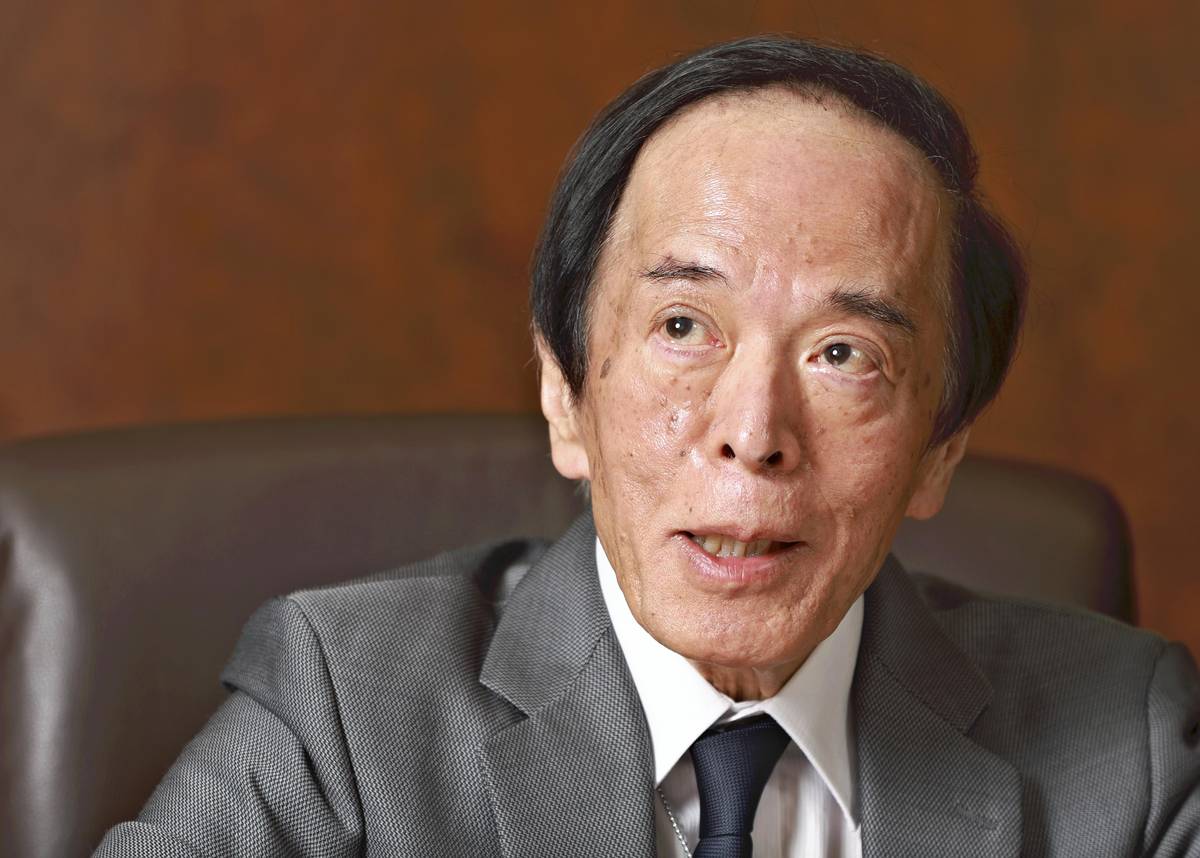
Bank of Japan Gov. Kazuo Ueda answers questions Tuesday during an exclusive interview with The Yomiuri Shimbun at the bank’s headquarters in Tokyo.
21:00 JST, February 26, 2026
The Bank of Japan will have to gauge the right distance from Prime Minister Sanae Takaichi’s administration in determining the timing of rate hikes.
Gov. Kazuo Ueda emphasized in an exclusive interview with The Yomiuri Shimbun on Tuesday that the central bank would keep raising interest rates along with progress in economic and price conditions.
Pledging “responsible and proactive public finances” to win a landslide victory in the latest House of Representatives election, Takaichi is seen to hold a negative stance toward rate hikes, suggesting Ueda faces a difficult decision.
Ueda said the BOJ would scrutinize “the impact of its rate hikes in December and earlier” to decide on the next rate hike.
You may also like to read
New U.S. Tariff Unlikely to Significantly Impact Japan, BOJ Gov. SaysSpecifically, the bank will assess if the hikes have led financial institutions to tighten their lending stance to businesses and individuals or led companies to lose appetite for corporate investment. Ueda also said the bank would collect data to examine whether rising mortgage rates could negatively impact personal consumption in the future.
“At this moment, I have not concluded that we have extremely negative information,” Ueda said.
Even so, the relationship with the Takaichi administration will become crucial for future rate hikes.
Market views largely consider Takaichi to be leery of early rate hikes. For Takaichi, who emphasizes a strong economy, rate hikes that would raise corporate borrowing costs and mortgage rates are seen as a potential drag on economic growth.
Ueda told the Yomiuri that the BOJ considered the impact of the government’s fiscal policy when formulating its outlook for economic activity and prices. He emphasized that the central bank has coordinated with the government in monetary policy operations.
However, when speaking to reporters at the Prime Minister’s Office after his meeting with Takaichi on Feb. 16, Ueda did not mention whether he had told her about an additional rate hike.
On Feb. 20, in her first policy speech since beginning her current term on Feb. 18, Takaichi said she was determined to “break the trend of excessive austerity and insufficient investment in the future.”
Since the launch of her first Cabinet in October, concerns about future fiscal deterioration have simmered in the markets, leading to a rise in long-term interest rates and a persistent weakening of the yen in foreign exchange markets.
Said Ueda, “I am expecting [the government] give attention to ensure market confidence toward medium- and long-term fiscal health.”


Related Tags




Most Read
Popular articles in the past 24 hours
-

Yokohama to Test Out Renewable-Powered Offshore Floating Data Cen...
-

Ishinomaki Man Plush Toy Offers Hope to Children in Times of Disa...
-

Microsoft Japan Raided by Antitrust Watchdog for Allegedly Blocki...
-

Nikkei Tops 59,000 for First Time
-
Japan Eyes Introducing Prescreening System for Foreign Travelers,...
-

Pokémon Celebrates 30 Years with Japanese Pro Baseball Collab
-

Dodgers' Roki Sasaki Erratic in First Spring Training Outing, Giv...
-
New U.S. Tariff Unlikely to Significantly Impact Japan, BOJ Gov. ...
Popular articles in the past week
-

Producer Behind Pop Group XG Arrested for Cocaine Possession
-

iPS Treatments Pass Key Milestone, but Broader Applications Far f...
-

Japan, U.S. Name 3 Inaugural Investment Projects; Reached Agreeme...
-

Tokyo Skytree's Elevator Stops, Trapping 20 People; All Rescued (...
-
Milano Cortina 2026: Japanese Gold Medalist Figure Skater Miura S...
-

Japan’s Major Real Estate Firms Expanding Overseas Businesses to ...
-

Nepal Bus Crash Kills 19 People, Injures 25 Including One Japanes...
-

Baby Monkey Punch Captures Hearts at Chiba Pref. Zoo, on Social M...
Popular articles in the past month
-
Producer Behind Pop Group XG Arrested for Cocaine Possession
-

Japan PM Takaichi’s Cabinet Resigns en Masse
-

Japan Institute to Use Domestic Commercial Optical Lattice Clock ...
-

Man Infected with Measles Reportedly Dined at Restaurant in Tokyo...
-

Israeli Ambassador to Japan Speaks about Japan’s Role in the Reco...
-

Videos Plagiarized, Reposted with False Subtitles Claiming ‘Ryuky...
-

Man Infected with Measles May Have Come in Contact with Many Peop...
-

Prudential Life Insurance Plans to Fully Compensate for Damages C...
Top Articles in Business
-
Prudential Life Insurance Plans to Fully Compensate for Damages Caused by Fraudulent Actions Without Waiting for Third-Party Committee Review
-
Narita Airport, Startup in Japan Demonstrate Machine to Compress Clothes for Tourists to Prevent People from Abandoning Suitcases
-
Japan, U.S. Name 3 Inaugural Investment Projects; Reached Agreement After Considerable Difficulty
-

Toyota Motor Group Firm to Sell Clean Energy Greenhouses for Strawberries
-

SoftBank Launches AI Service for Call Centers That Converts Harsh Customer Voices into Softer Voices
JN ACCESS RANKING
-
Producer Behind Pop Group XG Arrested for Cocaine Possession
-
Japan PM Takaichi’s Cabinet Resigns en Masse
-
Man Infected with Measles Reportedly Dined at Restaurant in Tokyo Station
-
Israeli Ambassador to Japan Speaks about Japan’s Role in the Reconstruction of Gaza
-
Videos Plagiarized, Reposted with False Subtitles Claiming ‘Ryukyu Belongs to China’; Anti-China False Information Also Posted in Japan