
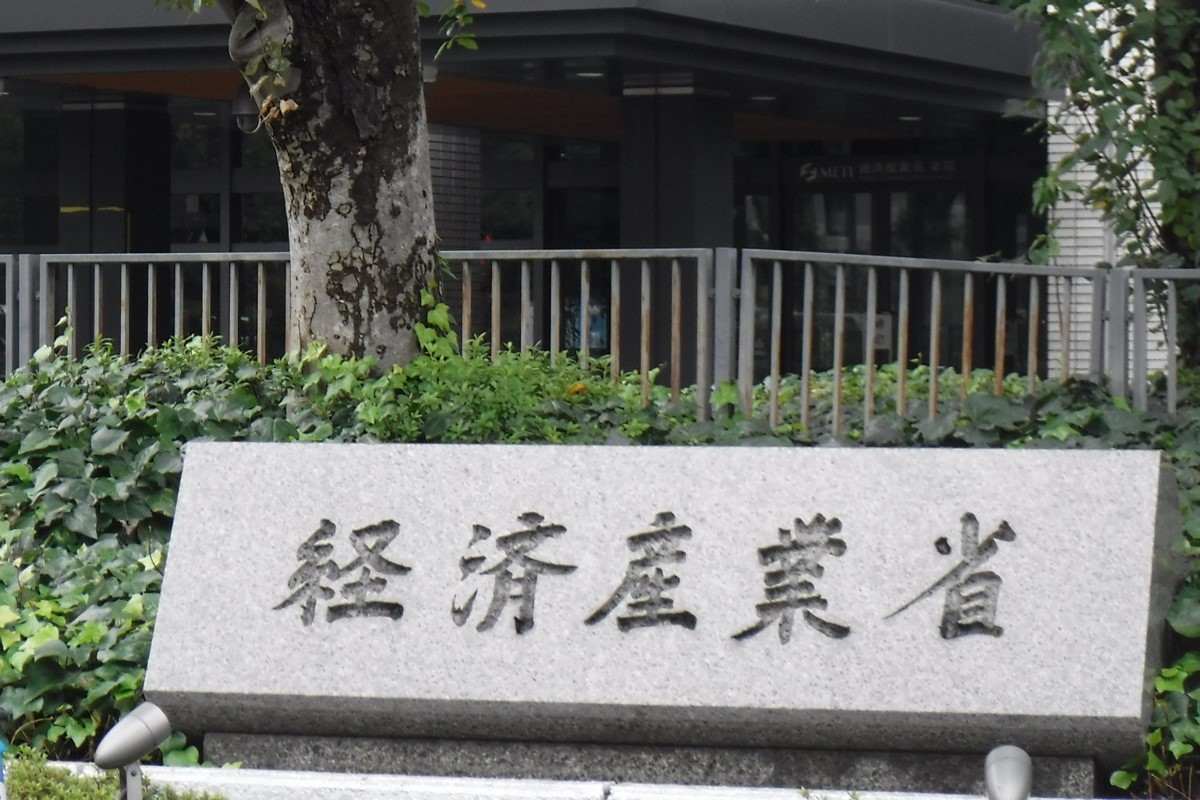
The Economy, Trade and Industry Ministry building in Chiyoda Ward, Tokyo.
16:58 JST, September 10, 2025
The Economy, Trade and Industry Ministry has decided to provide ¥24.6 billion in subsidies across five years to three companies engaged in efforts to achieve mass production of next-generation perovskite solar cells.
The ministry will provide the money to Panasonic Holdings Corp., Ricoh Co. and EneCoat Technologies Co., a startup that originated at Kyoto University, to cover the costs of technological development and demonstration tests.
Panasonic is currently working on the mass production of glass-type perovskite solar cells, which can be used in building materials, while Ricoh and EneCoat are focusing on film-type products that are thin and lightweight. The three companies each aim to increase their annual mass production capacity of perovskite solar cells to at least in the range of 200 to 300 megawatts by 2030, enough to meet the energy demands of around 60,000 households.
Ricoh will apply its inkjet printing technology to make progress toward the installation of perovskite solar cells in homes and factories. EneCoat will cooperate with Toyota Motor Corp. to achieve its goal of installing its products in cars, factories and a wide range of other locations.
The economy ministry will utilize the Green Innovation Fund, which was established to support decarbonization technologies, to provide the subsidies. Sekisui Chemical Co., a leader in film-type perovskite solar cells, has already been receiving support through the fund.
The ministry has set a target for Japan to generate 20 gigawatts of electricity a year from perovskite solar cells by 2040.




Most Read
Popular articles in the past 24 hours
-
Kesennuma, Miyagi Pref., Locals Raise Carp Streamers as Symbol of...
-

Iran Situation: Significance of Rule of Law Must Be Conveyed
-

Toyota Advancing Plant-Based Biofuel Development in Fukushima Tow...
-

Trump Says Iran Had a New Site for Developing Nuclear Weapons
-
2 People Reportedly Found on Mt. Fuji; Hiking Trail Currently Clo...
-

CARTOON OF THE DAY (March 10)
-
Rapeseed Flowers Reach Peak Viewing Period at Tokyo's Showa Kinen...
-
Japan's TEPCO to Raise Electricity Rates for Corporations in Apri...
Popular articles in the past week
-

Ibaraki Pref.'s 1st Foreign Bus Driver Hired in Tsukuba
-

Amid Strait of Hormuz Blockade, Shipping Companies Scramble to Ge...
-
Govt to Utilize ODA for Ensuring Economic Security; Securing Ener...
-
Japan Govt Survey Finds Just 10% of Workers Want Working Hours to...
-
Japan's 2nd Round of U.S. Investments May Be Worth Over $100 Bill...
-

Imperial Family Watches World Baseball Classic Game Against Austr...
-

Nippon Life Insurance's U.S. Arm Sues OpenAI Over Legal Assistanc...
-

Donald Keene’s Drinking Buddy and Translator Yukio Kakuchi Pays T...
Popular articles in the past month
-

Producer Behind Pop Group XG Arrested for Cocaine Possession
-

Japan PM Takaichi’s Cabinet Resigns en Masse
-

Man Infected with Measles Reportedly Dined at Restaurant in Tokyo...
-

Videos Plagiarized, Reposted with False Subtitles Claiming ‘Ryuky...
-

iPS Treatments Pass Key Milestone, but Broader Applications Far f...
-

Sanae Takaichi Elected Prime Minister of Japan; Keeps All Cabinet...
-

Nepal Bus Crash Kills 19 People, Injures 25 Including One Japanes...
-

South Korea Tightens Rules on Foreigners Buying Homes in Seoul Me...
Top Articles in Business
-

Japan, U.S. Name 3 Inaugural Investment Projects; Reached Agreement After Considerable Difficulty
-

Japan’s Major Real Estate Firms Expanding Overseas Businesses to Secure Future Growth, Focusing on Europe, U.S., Asia
-

Transport Companies See Opportunity in Narita Expansion; Airlines, Railways Prepare to Meet Expected Growth in Demand
-
Amid Strait of Hormuz Blockade, Shipping Companies Scramble to Get Japan-Linked Vessels out of Persian Gulf
-

Sony’s Entertainment Focus Becomes Even Clearer; Shift Away from Consumer Products Marks Move Toward Entertainment
JN ACCESS RANKING
-
Producer Behind Pop Group XG Arrested for Cocaine Possession
-
Japan PM Takaichi’s Cabinet Resigns en Masse
-
Man Infected with Measles Reportedly Dined at Restaurant in Tokyo Station
-
Videos Plagiarized, Reposted with False Subtitles Claiming ‘Ryukyu Belongs to China’; Anti-China False Information Also Posted in Japan
-
iPS Treatments Pass Key Milestone, but Broader Applications Far from Guaranteed