
TEPCO’s Niigata Pref. Nuclear Power Plant Begins Transmitting Power to Tokyo Area, 1st Time in 14 Years
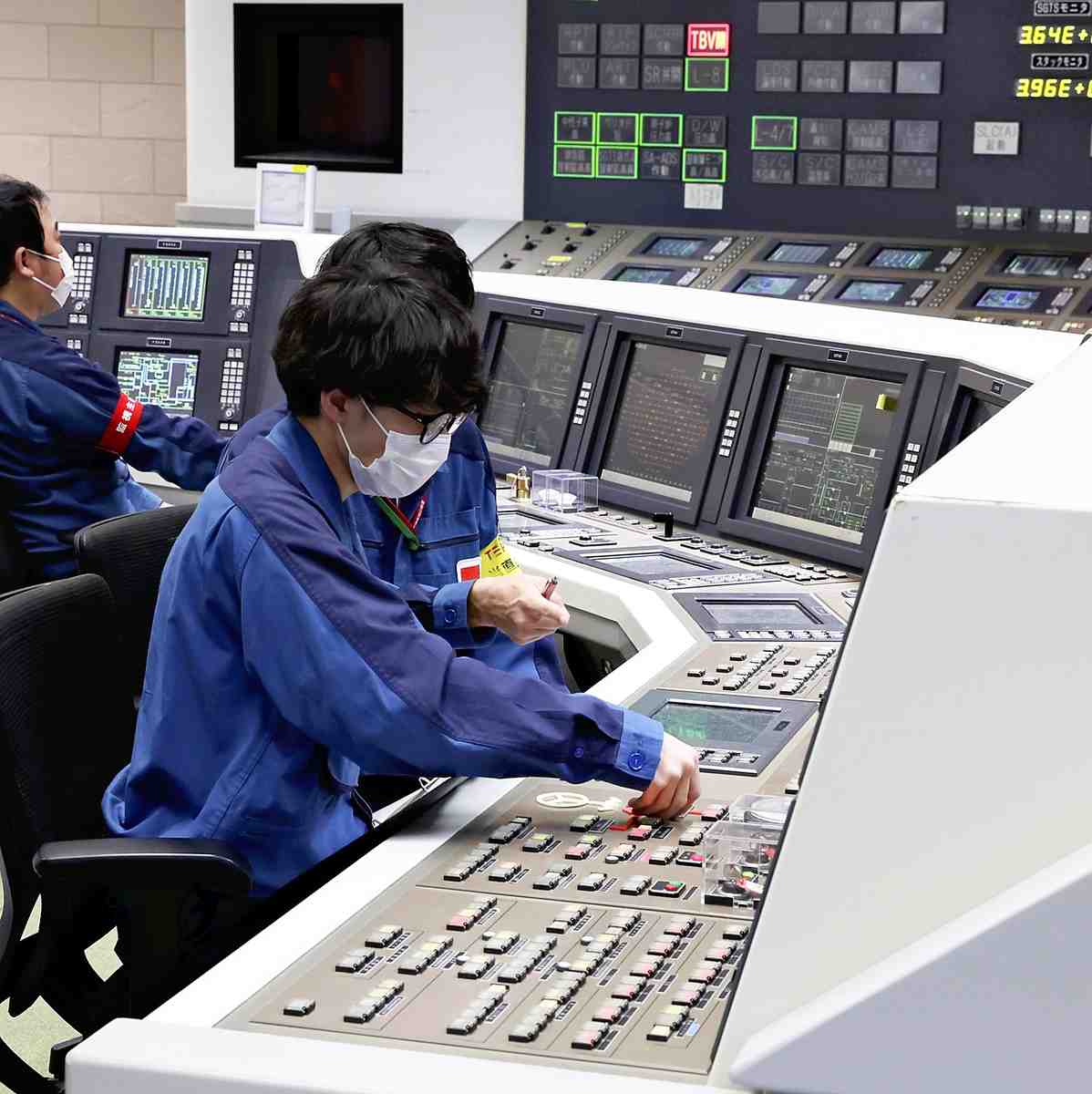
An operator works in the central control room of the No. 6 reactor at Kashiwazaki-Kariwa nuclear power station in Niigata Prefecture on Monday.
6:00 JST, February 18, 2026
Tokyo Electric Power Company Holdings, Inc. said the No. 6 reactor at its Kashiwazaki-Kariwa nuclear power station in Niigata Prefecture has begun transmitting electricity to the Tokyo metropolitan area for the first time in 14 years.
According to TEPCO, the company conducted a test by connecting to the power grid at 2:55 a.m. on Monday and gradually ramping up output by 20% to 270,000 kilowatts. At 10 p.m., the plant began full-scale power transmission.
TEPCO said that it would increase the reactor’s output by 50%.
The firm plans to halt the reactor later this month to inspect for any abnormalities caused by temperature or pressure changes, after which the reactor will then be restarted and output will be raised to its full capacity.
Commercial operation is expected to begin on March 18, pending approval from the Nuclear Regulation Authority. TEPCO estimates the No. 6 reactor can supply electricity to 3.75 million households if it operates stably for a month.
The No. 6 reactor was restarted on Jan. 21. However, the company halted operation on Jan. 23 after an alarm signaled an abnormality during the withdrawal of the control rods, which regulate the chain reaction of nuclear fusion. After identifying the cause and implementing preventive measures, TEPCO restarted the reactor again on Feb. 9.
A device that measures neutrons malfunctioned on Feb. 12 but functioned properly on Feb. 14 after parts were replaced.



Most Read
Popular articles in the past 24 hours
-
Japan Govt Aims for 10-Fold Increase in Computing Power of Superc...
-
Reopened Fukushima Municipalities Lure New Residents with Educati...
-
2 People Reportedly Found on Mt. Fuji; Hiking Trail Currently Clo...
-
Kesennuma, Miyagi Pref., Locals Raise Carp Streamers as Symbol of...
-
Japan's TEPCO to Raise Electricity Rates for Corporations in Apri...
-

Iran Situation: Significance of Rule of Law Must Be Conveyed
-

Trump Says Iran Had a New Site for Developing Nuclear Weapons
-
Japan’s Nikkei Stock Average Ends Higher as Traders Gauge Efforts...
Popular articles in the past week
-

Ibaraki Pref.'s 1st Foreign Bus Driver Hired in Tsukuba
-

Amid Strait of Hormuz Blockade, Shipping Companies Scramble to Ge...
-
Govt to Utilize ODA for Ensuring Economic Security; Securing Ener...
-
Japan Govt Survey Finds Just 10% of Workers Want Working Hours to...
-
Japan's 2nd Round of U.S. Investments May Be Worth Over $100 Bill...
-

Imperial Family Watches World Baseball Classic Game Against Austr...
-
Donald Keene’s Drinking Buddy and Translator Yukio Kakuchi Pays T...
-

Japan’s Govt Says No Immediate Impact on Oil Supply; No Releases ...
Popular articles in the past month
-

Producer Behind Pop Group XG Arrested for Cocaine Possession
-

Japan PM Takaichi’s Cabinet Resigns en Masse
-

Man Infected with Measles Reportedly Dined at Restaurant in Tokyo...
-

Videos Plagiarized, Reposted with False Subtitles Claiming ‘Ryuky...
-

iPS Treatments Pass Key Milestone, but Broader Applications Far f...
-

Sanae Takaichi Elected Prime Minister of Japan; Keeps All Cabinet...
-

Nepal Bus Crash Kills 19 People, Injures 25 Including One Japanes...
-

Japan's Govt to Submit Road Map for Growth Strategy in March, PM ...
Top Articles in Business
-

Japan, U.S. Name 3 Inaugural Investment Projects; Reached Agreement After Considerable Difficulty
-

Japan’s Major Real Estate Firms Expanding Overseas Businesses to Secure Future Growth, Focusing on Europe, U.S., Asia
-

Transport Companies See Opportunity in Narita Expansion; Airlines, Railways Prepare to Meet Expected Growth in Demand
-

Sony’s Entertainment Focus Becomes Even Clearer; Shift Away from Consumer Products Marks Move Toward Entertainment
-
Amid Strait of Hormuz Blockade, Shipping Companies Scramble to Get Japan-Linked Vessels out of Persian Gulf
JN ACCESS RANKING
-
Producer Behind Pop Group XG Arrested for Cocaine Possession
-
Japan PM Takaichi’s Cabinet Resigns en Masse
-
Man Infected with Measles Reportedly Dined at Restaurant in Tokyo Station
-
Videos Plagiarized, Reposted with False Subtitles Claiming ‘Ryukyu Belongs to China’; Anti-China False Information Also Posted in Japan
-
iPS Treatments Pass Key Milestone, but Broader Applications Far from Guaranteed