
2 Unpublished Early Novellas by Japan’s Kenzaburo Oe Discovered, Show Budding Promise of Future Nobel Prize-Winning Author
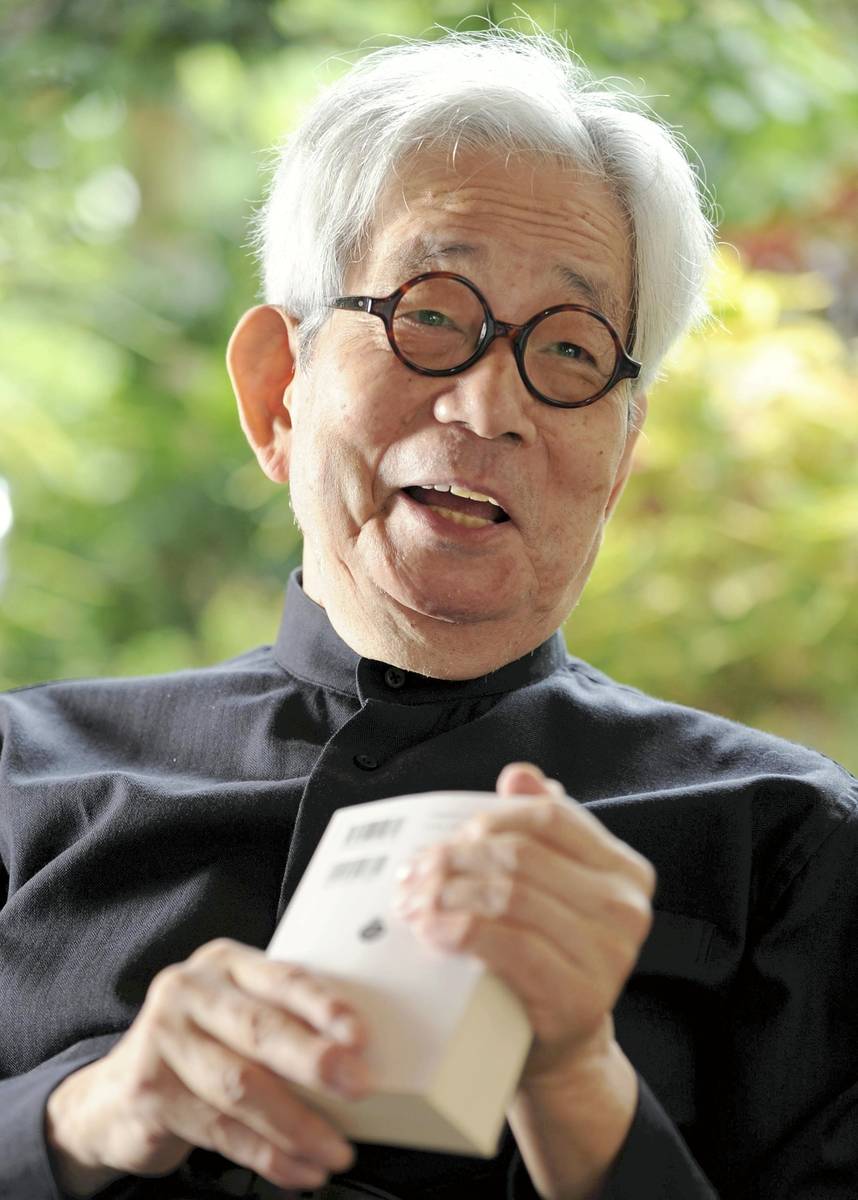
Kenzaburo Oe
21:00 JST, March 3, 2026
Manuscripts of two unpublished early novellas by Nobel Prize laureate Kenzaburo Oe have been discovered, it was announced at a press conference held by the University of Tokyo on Monday.
They are believed to have been written before his debut, while he was still a student at the university.
According to the university, sex, politics and other thematic subjects are richly depicted in the two works, which are precious materials showing budding promise for what would later form Oe’s literature.
One of the two novellas, “Kurai Heya kara no Ryoko” (A journey from a dark room), is written on 82 pieces of genkoyoshi writing paper and features young students and a university faculty member who claims his human rights have been violated.
It is dated “1955, 5.19” (May 19, 1955) at the end. Oe was 20 at the time, and it was before 1957 when he wrote “Shisha no Ogori” (“Lavish Are The Dead”), with which he made his professional debut as a writer in a literary magazine. It is also his oldest work that is known to exist.
The other novella is titled “Tabi e no Kokoromi” (An attempt at a journey), which is 42 genkoyoshi pages long.
In November 2025, a grandchild of a woman who ran a boarding house where Oe lived as a student contacted The Kenzaburo Oe Library at the university to let the school know of the existence of the manuscripts. They were deposited at the library after undergoing various examinations, including handwriting analyses.






Most Read
Popular articles in the past 24 hours
-

Record Snowfall in Japan Causes Serious Agricultural Damage in To...
-
Japan Traditional Puppet Performance Held at Onsen Resort in Shiz...
-

Strait of Hormuz Closure Shakes Markets; Prolonged Closure Could ...
-

2 of Japan's Opposition Parties Submit Bill to Revise Political F...
-

Iran Situation: Japan Must Exert Diplomatic Efforts without Merel...
-

U.S. Urges Citizens to Immediately Depart over A Dozen Middle Eas...
-
Chiba Police to Arrest Japanese National in Midair; Man Accused o...
-

Japanese Firms Ban Business Trips, Cancel Vacation Tours Amid Mid...
Popular articles in the past week
-
Milano Cortina 2026: Japanese Gold Medalist Figure Skater Miura S...
-
Tokyo Spends Big on Children, Wins Over Parents
-
Japan’s Miura, Kihara Announce Withdrawal from Figure Skating Wor...
-

Exhibition Featuring Yoshiharu Tsuge’s Manga World Underway in Ch...
-

Yokohama to Test Out Renewable-Powered Offshore Floating Data Cen...
-

BOJ Keeping Eye on Economy and Takaichi's ‘Proactive Fiscal Polic...
-
Tokyo Measles Patient Traveled to Fukuoka Aboard JAL Planes; Susp...
-
Japan Seeks to Counter China's Expanding Influence in Pacific by ...
Popular articles in the past month
-

Producer Behind Pop Group XG Arrested for Cocaine Possession
-

Japan PM Takaichi’s Cabinet Resigns en Masse
-

Man Infected with Measles Reportedly Dined at Restaurant in Tokyo...
-

Israeli Ambassador to Japan Speaks about Japan’s Role in the Reco...
-

Videos Plagiarized, Reposted with False Subtitles Claiming ‘Ryuky...
-

Prudential Life Insurance Plans to Fully Compensate for Damages C...
-

Woman with Measles Visited Hospital in Tokyo Multiple Times Befor...
-

iPS Treatments Pass Key Milestone, but Broader Applications Far f...
Top Articles in Culture
-

BTS to Hold Comeback Concert in Seoul on March 21; Popular Boy Band Releases New Album to Signal Return
-

Director Naomi Kawase’s New Film Explores Heart Transplants in Japan, Production Involved Real Patients, Families
-

Tokyo Exhibition Offers Inside Look at Impressionism; 70 of 100 Works on ‘Interiors’ by Monet, Others on Loan from Paris
-
Traditional Japanese Silk Hakama Tradition Preserved by Sole Weaver in Sendai
-
Exhibition Featuring Yoshiharu Tsuge’s Manga World Underway in Chofu, Tokyo; Unique, Surreal Works Draw Steady Crowds
JN ACCESS RANKING
-
Producer Behind Pop Group XG Arrested for Cocaine Possession
-
Japan PM Takaichi’s Cabinet Resigns en Masse
-
Man Infected with Measles Reportedly Dined at Restaurant in Tokyo Station
-
Israeli Ambassador to Japan Speaks about Japan’s Role in the Reconstruction of Gaza
-
Videos Plagiarized, Reposted with False Subtitles Claiming ‘Ryukyu Belongs to China’; Anti-China False Information Also Posted in Japan