
Japan-U.S. Joint Drill on Counterattacking Held Ahead of Long-Range Missile Deployment
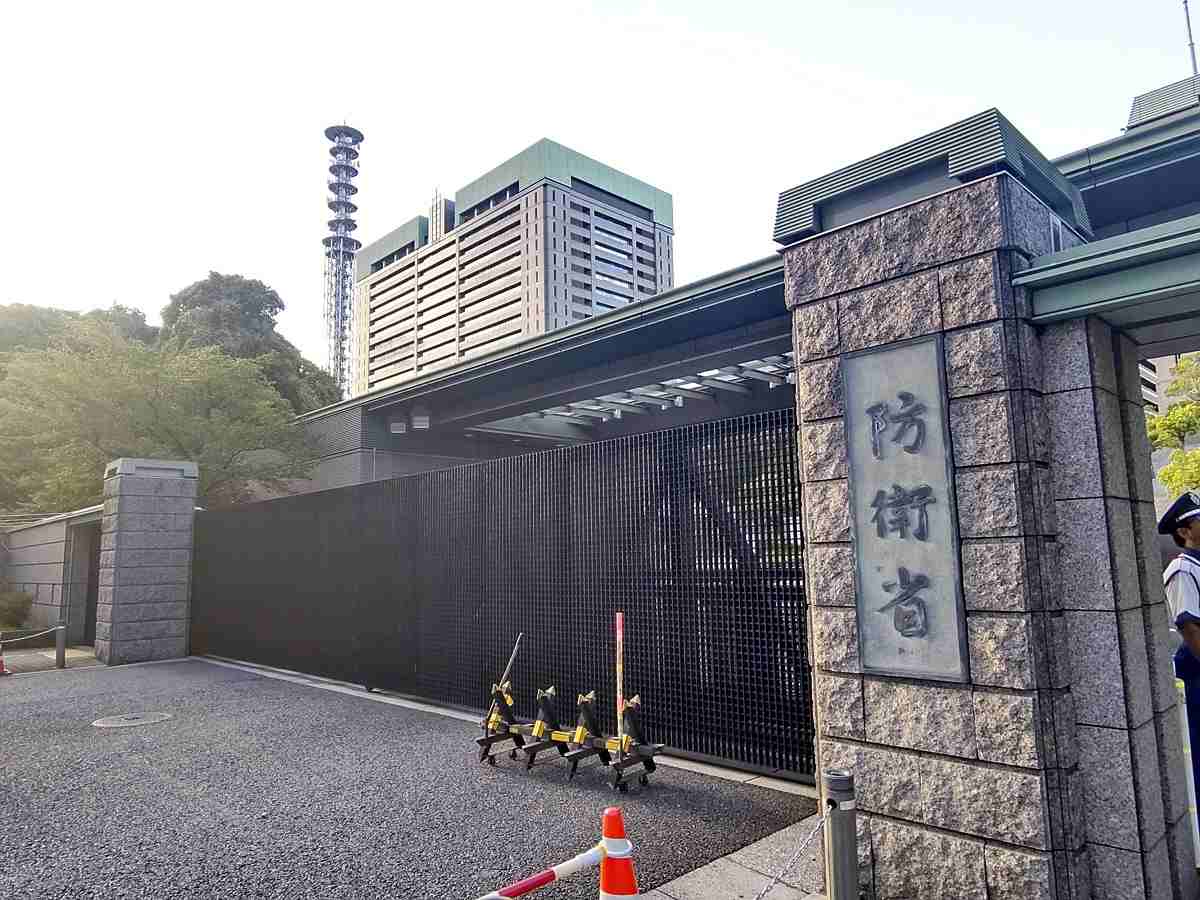
The Defense Ministry head office in Shinjuku Ward, Tokyo
7:00 JST, March 1, 2026
The Self-Defense Forces and the U.S. military have confirmed their procedures for using counterattack capabilities to strike enemy missile launch sites, in a joint tabletop exercise that ran through early February, according to Japanese government sources.
In March, the Japanese government plans to deploy long-range missiles, a key component of its counterattack capabilities, to ground units of the Ground Self-Defense Force and also to Aegis destroyers of the Maritime Self-Defense Force.
The exercise aimed to enhance the deterrence of the Japan-U.S. alliance, providing an opportunity to review operational steps before deploying counterattack missiles.
The procedures were verified during Keen Edge, a biennial tabletop exercise designed to test the chain of command between the SDF and the U.S. military.
The drill, which took place from Jan. 29 to Feb. 5, marked the first participation of personnel from the Joint Operations Command.
Established last year to oversee the Ground, Maritime and Air Self-Defense Forces, the command is tasked with the operation of long-range missiles as one of its core missions.
Under a scenario involving a crisis in the Nansei Islands, the drill was centered on the use of counterattack capabilities.
The scenario involved the government designating the conflict as an “armed attack situation” — the official designation for an actual strike on the country — following an offensive by an enemy nation.
In the drill, the SDF and U.S. Forces Japan coordinated to select targets and confirmed the procedures for launching long-range missiles at launch sites at enemy bases.
The GSDF’s Camp Kengun in Kumamoto City is set to receive an upgraded, land-based Type 12 surface-to-ship guided missile by the end of March. The Japan-made missile’s range has been extended to more than 1,000 kilometers as part of Japan’s efforts to strengthen long-range defense.
In fiscal 2027, the government plans to deploy the improved Type 12 missiles to Air Self-Defense Force fighter aircraft. The MSDF Aegis-equipped destroyer Chokai, being upgraded in the United States, is scheduled to be armed with U.S.-made Tomahawk cruise missiles, which have a range of about 1,600 kilometers.
With China, Russia and North Korea accelerating their development of hypersonic weapons — which are difficult to track as they glide at low altitudes on irregular flight paths — it is now an urgent priority for Japan to bolster the response and deterrence capabilities of the Japan-U.S. alliance.
Last year, a new department was established within the U.S. Forces Japan headquarters to specialize in coordination with the SDF’s Joint Operations Command. It is planned to upgrade this office to a unified command with full combat leadership authority.
The SDF and the U.S. military are set to steadily bolster their interoperability.




Most Read
Popular articles in the past 24 hours
-

Improvement of Japanese Language Schools Lags Rise in Foreigners
-

Japan's Test-Takers in Sapporo Offered Special Accommodation Arra...
-

Rental Lab Space in Tokyo Area More Than Doubles Since 2010, Offe...
-
Japanese Shipping Giants Halt Strait of Hormuz Transit as Iran Co...
-

U.S. Launches Attacks on Iran: Avoid Escalation of Conflict by An...
-

Parents of Japanese Teen Shot in U.S. Strive for Gun Control
-

Sawtooth Roof Factory Stands as Monument to Ashikaga Textile Hist...
-
Disinformation Spreads About Team Mirai, Ballot Readers; Online P...
Popular articles in the past week
-

Nepal Bus Crash Kills 19 People, Injures 25 Including One Japanes...
-

Milano Cortina 2026: Japanese Gold Medalist Figure Skater Miura S...
-
Tokyo Spends Big on Children, Wins Over Parents
-

McDonald's Japan Raises Prices; Big Mac to Cost ¥500, Double Chee...
-

‘Dry Bonsai’ Gives New Life to Withered Trees, Allows Free Artist...
-

Japan’s Miura, Kihara Announce Withdrawal from Figure Skating Wor...
-

Exhibition Featuring Yoshiharu Tsuge’s Manga World Underway in Ch...
-

Yokohama to Test Out Renewable-Powered Offshore Floating Data Cen...
Popular articles in the past month
-

Producer Behind Pop Group XG Arrested for Cocaine Possession
-

Japan PM Takaichi’s Cabinet Resigns en Masse
-

Man Infected with Measles Reportedly Dined at Restaurant in Tokyo...
-

Israeli Ambassador to Japan Speaks about Japan’s Role in the Reco...
-

Videos Plagiarized, Reposted with False Subtitles Claiming ‘Ryuky...
-

Man Infected with Measles May Have Come in Contact with Many Peop...
-

Prudential Life Insurance Plans to Fully Compensate for Damages C...
-

Woman with Measles Visited Hospital in Tokyo Multiple Times Befor...
Top Articles in Politics
-
Japan PM Takaichi’s Cabinet Resigns en Masse
-

Sanae Takaichi Elected Prime Minister of Japan; Keeps All Cabinet Appointees from Previous Term
-

Japan’s Govt to Submit Road Map for Growth Strategy in March, PM Takaichi to Announce in Upcoming Policy Speech
-

LDP Wins Historic Landslide Victory
-

LDP Wins Landslide Victory, Secures Single-party Majority; Ruling Coalition with JIP Poised to Secure Over 300 seats (UPDATE 1)
JN ACCESS RANKING
-
Producer Behind Pop Group XG Arrested for Cocaine Possession
-
Japan PM Takaichi’s Cabinet Resigns en Masse
-
Man Infected with Measles Reportedly Dined at Restaurant in Tokyo Station
-
Israeli Ambassador to Japan Speaks about Japan’s Role in the Reconstruction of Gaza
-
Videos Plagiarized, Reposted with False Subtitles Claiming ‘Ryukyu Belongs to China’; Anti-China False Information Also Posted in Japan