
17:26 JST, January 12, 2026
Protests triggered by high prices have been spreading across Iran. U.S. President Donald Trump has suggested he may intervene, further deepening the turmoil.
It is concerning that tensions surrounding a major power in the Middle East are escalating further, threatening regional stability.
Protests that started mainly among merchants in Tehran’s commercial district late last year rapidly spread across the country. Some protesters turned violent, and at least 50 people have died, with some shot by security forces.
Iran’s rial currency continues to plummet due to sanctions imposed by the United States and others. The prices of rice and eggs, among other goods, are also soaring, putting a strain on people’s lives. Protests are now being directed not only at high prices but also at the Islamic-based governing system.
The regime is attempting to suppress the people’s demands by force. It must be alarmed at the situation, with the movements calling for a change of the regime headed by Supreme Leader Ayatollah Ali Khamenei growing ever stronger.
In response, Trump warned on Jan. 2 that “we are locked and loaded and ready to go” to rescue protesters. The very next day, the United States struck Venezuela and overthrew its government. Last June, the United States bombed targets in Iran including uranium enrichment facilities.
It remains unclear whether Trump will move to attack Iran again, but there is no doubt that international concerns are growing over the protests in the country. Authorities should aim for a peaceful resolution.
Iran detained Nobel Peace Prize laureate and human rights activist Narges Mohammadi again in December before the protests erupted.
Mohammadi has worked on women’s rights issues and was imprisoned for a long period as a political prisoner. She was temporarily released in December 2024 for medical treatment but was sent back to prison.
Human rights and freedoms must be respected under any political system or religion. Authorities should release Mohammadi immediately.
Iran has continued its opaque nuclear development program for years, and this constitutes the root cause of its current plight.
The U.N. Security Council reimposed sanctions on Iran last autumn for the first time in a decade, citing suspicions over its nuclear program.
In opposition to the move, Iran ceased accepting inspections by the International Atomic Energy Agency. The country possesses highly enriched uranium — estimated to be enough to produce nine nuclear bombs — but its location is currently unknown.
If this situation continues, suspicions will deepen that Iran is secretly advancing its nuclear development program for military purposes, potentially giving the United States a pretext for another attack.
To pull itself out of international isolation and its economic plight, Iran must resume cooperation with the IAEA and strive to regain the trust of the international community.
(From The Yomiuri Shimbun, Jan. 12, 2026)



Most Read
Popular articles in the past 24 hours
-
Kesennuma, Miyagi Pref., Locals Raise Carp Streamers as Symbol of...
-

Iran Situation: Significance of Rule of Law Must Be Conveyed
-

Toyota Advancing Plant-Based Biofuel Development in Fukushima Tow...
-

Trump Says Iran Had a New Site for Developing Nuclear Weapons
-

2 People Reportedly Found on Mt. Fuji; Hiking Trail Currently Clo...
-
CARTOON OF THE DAY (March 10)
-
Rapeseed Flowers Reach Peak Viewing Period at Tokyo's Showa Kinen...
-

Japan's TEPCO to Raise Electricity Rates for Corporations in Apri...
Popular articles in the past week
-

Ibaraki Pref.'s 1st Foreign Bus Driver Hired in Tsukuba
-
Amid Strait of Hormuz Blockade, Shipping Companies Scramble to Ge...
-

Govt to Utilize ODA for Ensuring Economic Security; Securing Ener...
-
Japan Govt Survey Finds Just 10% of Workers Want Working Hours to...
-

Japan's 2nd Round of U.S. Investments May Be Worth Over $100 Bill...
-

Imperial Family Watches World Baseball Classic Game Against Austr...
-

Nippon Life Insurance's U.S. Arm Sues OpenAI Over Legal Assistanc...
-

Beckoning Cats Get Makeover to Fit Modern Lifestyles with Sleek D...
Popular articles in the past month
-

Producer Behind Pop Group XG Arrested for Cocaine Possession
-

Japan PM Takaichi’s Cabinet Resigns en Masse
-

Man Infected with Measles Reportedly Dined at Restaurant in Tokyo...
-

Videos Plagiarized, Reposted with False Subtitles Claiming ‘Ryuky...
-

iPS Treatments Pass Key Milestone, but Broader Applications Far f...
-

Sanae Takaichi Elected Prime Minister of Japan; Keeps All Cabinet...
-

Nepal Bus Crash Kills 19 People, Injures 25 Including One Japanes...
-

South Korea Tightens Rules on Foreigners Buying Homes in Seoul Me...
Top Articles in Editorial & Columns
-

Riku-Ryu Pair Wins Gold Medal: Their Strong Bond Leads to Major Comeback Victory
-
Reciprocal Tariffs Ruled Illegal: Judiciary Would Not Tolerate President’s High-Handed Approach
-
Flu Cases Surging Again: Infection Can Also Be Prevented by Humidifying Indoor Spaces
-
Japan’s Plan for Investment in U.S.: Aim for Mutual Development by Ensuring Profitability
-
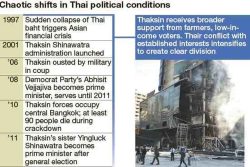
Chronic Issues Erode Thailand’s Economy as Political Confusion Persists, Threatening Terminal Decline in Its Economy
JN ACCESS RANKING
-
Producer Behind Pop Group XG Arrested for Cocaine Possession
-
Japan PM Takaichi’s Cabinet Resigns en Masse
-
Man Infected with Measles Reportedly Dined at Restaurant in Tokyo Station
-
Videos Plagiarized, Reposted with False Subtitles Claiming ‘Ryukyu Belongs to China’; Anti-China False Information Also Posted in Japan
-
iPS Treatments Pass Key Milestone, but Broader Applications Far from Guaranteed