
LDP Mulls Lifting Ban on Arms Exports to Countries Facing Aggression in Review of Defense Equipment Transfer Principles
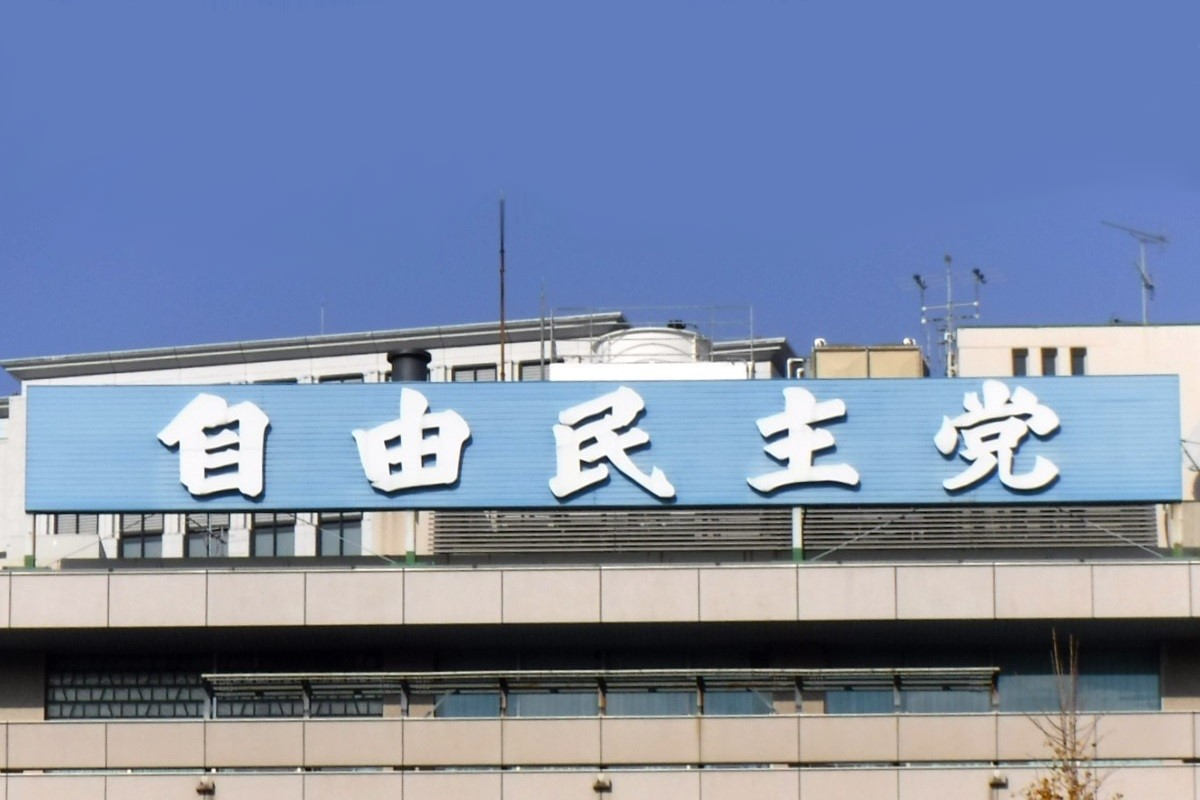
The Liberal Democratic Party’s headquarters in Chiyoda Ward, Tokyo.
16:21 JST, December 13, 2025
The Liberal Democratic Party has compiled a draft outline of key points in a review of implementation guidelines for the Three Principles on Transfer of Defense Equipment and Technology with an eye on expanding the scope of export items and destinations.
At an executive meeting of its Research Commission on Security on Friday, the LDP set a direction to abolish the current rule that limits defense equipment exports to five types, while establishing certain safeguards. The party listed as an issue for consideration the lifting of a ban on arms exports to countries facing aggression with Ukraine in mind.
The Japan Innovation Party, the LDP’s ruling coalition partner, also summarized its view on defense equipment exports at its security research council meeting held the same day. The JIP’s stance goes beyond the LDP’s in terms of deregulation, calling for the abolition of most export restrictions beyond the five types and leaving decisions largely to government discretion.
The two parties are scheduled to begin working-level talks on this matter on Monday to seek common ground.
Under the current guidelines, fully assembled defense equipment that can be exported are restricted to five types: rescue, transportation, vigilance, surveillance and minesweeping.
The LDP’s draft outline cited arms defined under the Self-Defense Forces Law as equipment that could be allowed for export after abolishing this five-type rule. Arms are referred to as equipment intended to kill or injure people or destroy property, including high-lethality weapons such as tanks and missiles.
The ruling parties will also discuss whether weapons will be allowed for exports to countries facing aggression and countries where combat is ongoing. The current guidelines restrict arms exports to such countries.
The LDP has also addressed the need for setting safeguards, specifying in the draft outline a plan to introduce strict screenings and procedures for appropriate management in order to prevent weapons exports from fueling conflicts.
After the meeting, Itsunori Onodera, chairperson of the LDP Research Commission on Security, told reporters: “How do we maintain these safeguards? How should we view equipment transfers to countries facing aggression? There are significantly important points to consider.”
The JIP has taken a stance of not restricting the export destinations and items under the implementation guidelines for defense equipment transfers, while upholding the principle of not permitting exports to parties to the conflict, against which the U.N. Security Council has taken measures. As a safeguard measure, the party envisages requiring Cabinet approval for important cases.




Most Read
Most read in the last 24 hours
-

Shifts Startup Focus to Nurturing Global Winners
-

Princess Aiko Enjoys Imperial Court Music, Dance; Production, Cos...
-

Bibimbap with Spring Vegetables and Asari Clam Miso a Rich Taste ...
-

Mother Supports My Sister Too Much, Gives Her Kids Much More Than...
-
Umami History: Kyoto Chef Murata Worked to Share Japan’s Scientif...
-

Appeal of Japanese Food: Make Good Use of ‘Discoveries’ by People...
-
Official App to Help Startups Meet Other Participants
-

Okinawa Gubernatorial Election: Candidates Should Advocate Realis...
Most read in the last 7 days
-
Earthquake Hits Japan's Tohoku Region; 3-meter Tsunami Warning Is...
-
China, South Korea Object to Japanese PM Takaichi's Ritual Offeri...
-

Trump Extends the Ceasefire with Iran but Keeps the Blockade
-

India's Arms Indigenization Quest for Self-Reliance / New Delhi S...
-
¥1,000 Coins to Be Issued to Mark Anniversary of Beginning of Jap...
-

Most Serious Cyberattacks against the UK Now from Russia, Iran an...
-

Trump Opposes United–American Merger, Signals Support for Spirit
-
System Malfunction in Haneda Airport Causes 83 Flight Cancelation...
Most read in the last 30 days
-
Earthquake Hits Japan's Tohoku Region; 3-meter Tsunami Warning Is...
-
Police Find Child's Shoe During Search for Missing Boy in Nantan,...
-
Body Found in Nantan, Kyoto Prefecture, During Search for 11-Year...
-
China, South Korea Object to Japanese PM Takaichi's Ritual Offeri...
-
Cherry Blossoms, Rapeseed Flowers Perform Colorful ‘Duet’ in Niig...
-
Trump Extends the Ceasefire with Iran but Keeps the Blockade
-

Olympic Gold Medal-Winning Figure Skaters Riku-Ryu Announce Retir...
-
Japanese Prime Minister Takaichi Speaks to Pakistani Prime Minist...
Top Articles in Politics
-
India’s Arms Indigenization Quest for Self-Reliance / New Delhi Sticks to Its ‘All-Alignment’ Guns Even after Iran Warship Attack
-
Japan Aims to Enhance Deterrence, Defense Industry by Allowing Exports of Weapons
-
Former Japan PM Murayama’s Farewell Ceremony Held; Former Deputy PM Kono Vows to ‘Carry on Path Toward Peace’
-
Japan Monitoring Situation Surrounding Revocation of Taiwan President’s Flight Permit by 3 Island Countries
-

Chinese Warships Cruise Past Japanese Islands in Retaliation for MSDF Ship Using Taiwan Strait
JN ACCESS RANKING
-
Earthquake Hits Japan’s Tohoku Region; 3-meter Tsunami Warning Issued (Update 1)
-
Police Find Child’s Shoe During Search for Missing Boy in Nantan, Kyoto Prefecture
-
Body Found in Nantan, Kyoto Prefecture, During Search for 11-Year-Old Boy in Area (Update 1)
-
China, South Korea Object to Japanese PM Takaichi’s Ritual Offering to Yasukuni Shrine
-
Cherry Blossoms, Rapeseed Flowers Perform Colorful ‘Duet’ in Niigata
Most read in the last 24 hours
-
Shifts Startup Focus to Nurturing Global Winners
-
Princess Aiko Enjoys Imperial Court Music, Dance; Production, Cos...
-
Bibimbap with Spring Vegetables and Asari Clam Miso a Rich Taste ...
-
Mother Supports My Sister Too Much, Gives Her Kids Much More Than...
-
Umami History: Kyoto Chef Murata Worked to Share Japan’s Scientif...
Most read in the last 7 days
-
Earthquake Hits Japan's Tohoku Region; 3-meter Tsunami Warning Is...
-
China, South Korea Object to Japanese PM Takaichi's Ritual Offeri...
-
Trump Extends the Ceasefire with Iran but Keeps the Blockade
-
India's Arms Indigenization Quest for Self-Reliance / New Delhi S...
-
¥1,000 Coins to Be Issued to Mark Anniversary of Beginning of Jap...
Most read in the last 30 days
-
Earthquake Hits Japan's Tohoku Region; 3-meter Tsunami Warning Is...
-
Police Find Child's Shoe During Search for Missing Boy in Nantan,...
-
Body Found in Nantan, Kyoto Prefecture, During Search for 11-Year...
-
China, South Korea Object to Japanese PM Takaichi's Ritual Offeri...
-
Cherry Blossoms, Rapeseed Flowers Perform Colorful ‘Duet’ in Niig...