
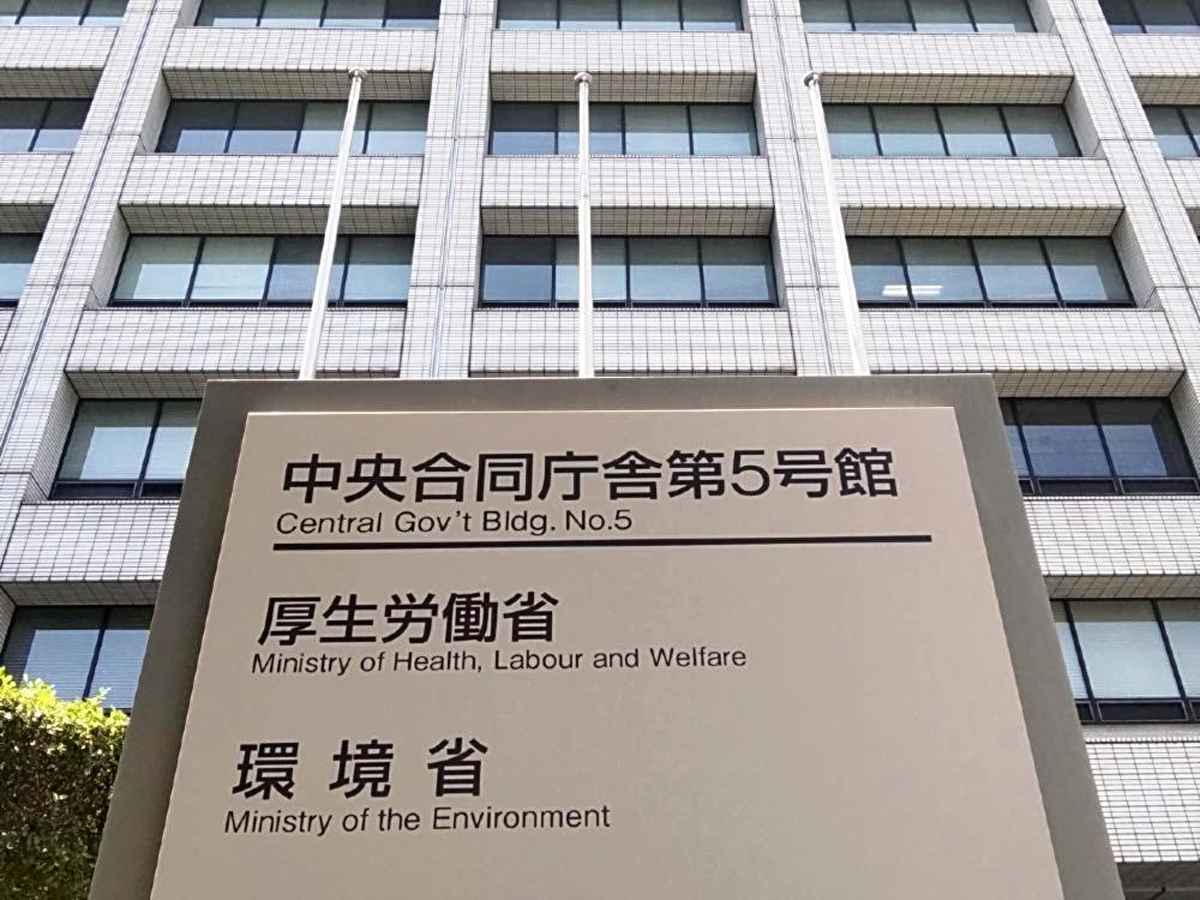
The Health, Labor and Welfare Ministry building in Chiyoda Ward, Tokyo
15:06 JST, December 1, 2025
The number of organ donations from brain-dead donors this year hit a record high of 134 as of Nov. 30, according to the Japan Organ Transplant Network (JOT).
It is believed that the increase is partly due to the public’s greater awareness of organ transplants and progress has been made regarding the government’s financial support for medical institutions that can declare brain deaths.
Compared with overseas organ donation numbers, Japan remains low, and thus more effort is needed to increase the different types of organ donations.
The JOT announced Saturday that a girl under the age of 6 who was hospitalized in a Fukuoka city government-run children’s hospital was declared brain dead, becoming this year’s 133rd donor under the revised Law on Organ Transplantation.
The number of donors surpassed 132 in 2023, setting a new record.
On Sunday, a boy under 18 was declared brain dead, bringing the number to 134.
When the law enabling organ transplants from brain-dead people was enforced in 1997, the patients’ declaration of intent and other strict conditions were necessary.
Thus, the annual number of organ donations had initially been only a few.
The revised law enforced in 2010 made it so that organ transplants from brain-dead people were possible with only the approval from the patients’ family members. Since then, the number of organ donations has gradually increased.
The Health, Labor and Welfare Ministry has taken such measures as dispatching doctors from medical institutions that have much experience handling organ donations from brain-dead donors to institutions with less experience. The ministry also increased the amount paid to hospitals for organ donation medical services.
However, the number of organ donors per million population in Japan was 1.13 in 2024. The number was much lower than the 49.70 in the United States and 7.75 in South Korea.
“The importance of organ transplantation operations that can save lives has spread [in society],” said Prof. Minoru Ono of the University of Tokyo, who heads the Japan Society for Transplantation. “I hope more people will want to take part in organ transplantation in the event that they or one of their family members are declared brain-dead.”







Most Read
Popular articles in the past 24 hours
-
Support for Japan's LDP Rises to 43%, Recovering from Lows Under ...
-

Milano Cortina 2026: Japanese Figure Skater Kaori Sakamoto’...
-
iPS Cell Products for Parkinson’s, Heart Disease OK’d for Commerc...
-

Milano Cortina 2026: Japanese Figure Skater Nakai Skates with ‘Ze...
-

Saitama Pref. Could Have Anticipated Road Collapse Risk in Yashio...
-

What Skills Will Takaichi Need in Her ‘Era of Dominance’?
-

Baby Monkey Punch Captures Hearts at Chiba Pref. Zoo, on Social M...
-

iPS Treatments Pass Key Milestone, but Broader Applications Far f...
Popular articles in the past week
-

Japan PM Takaichi’s Cabinet Resigns en Masse
-

Man Infected with Measles Reportedly Dined at Restaurant in Tokyo...
-

Videos Plagiarized, Reposted with False Subtitles Claiming ‘Ryuky...
-

Sanae Takaichi Elected Prime Minister of Japan; Keeps All Cabinet...
-

Japan's Govt to Submit Road Map for Growth Strategy in March, PM ...
-

Bus Carrying 40 Passengers Catches Fire on Chuo Expressway; All E...
-

Milano Cortina 2026: Figure Skaters Riku Miura, Ryuichi Kihara Pa...
-

Tokyo’s New Record-Breaking Fountain Named ‘Tokyo Aqua Symphony’
Popular articles in the past month
-
Japan PM Takaichi’s Cabinet Resigns en Masse
-

Japan Institute to Use Domestic Commercial Optical Lattice Clock ...
-

Israeli Ambassador to Japan Speaks about Japan’s Role in the Reco...
-
Man Infected with Measles Reportedly Dined at Restaurant in Tokyo...
-

Man Infected with Measles May Have Come in Contact with Many Peop...
-
Videos Plagiarized, Reposted with False Subtitles Claiming ‘Ryuky...
-

Prudential Life Insurance Plans to Fully Compensate for Damages C...
-

Woman with Measles Visited Hospital in Tokyo Multiple Times Befor...
Top Articles in Society
-
Man Infected with Measles Reportedly Dined at Restaurant in Tokyo Station
-
Man Infected with Measles May Have Come in Contact with Many People in Tokyo, Went to Store, Restaurant Around When Symptoms Emerged
-
Woman with Measles Visited Hospital in Tokyo Multiple Times Before Being Diagnosed with Disease
-

Australian Woman Dies After Mishap on Ski Lift in Nagano Prefecture
-

Foreign Snowboarder in Serious Condition After Hanging in Midair from Chairlift in Nagano Prefecture
JN ACCESS RANKING
-
Japan PM Takaichi’s Cabinet Resigns en Masse
-
Japan Institute to Use Domestic Commercial Optical Lattice Clock to Set Japan Standard Time
-
Israeli Ambassador to Japan Speaks about Japan’s Role in the Reconstruction of Gaza
-
Man Infected with Measles Reportedly Dined at Restaurant in Tokyo Station
-
Man Infected with Measles May Have Come in Contact with Many People in Tokyo, Went to Store, Restaurant Around When Symptoms Emerged