
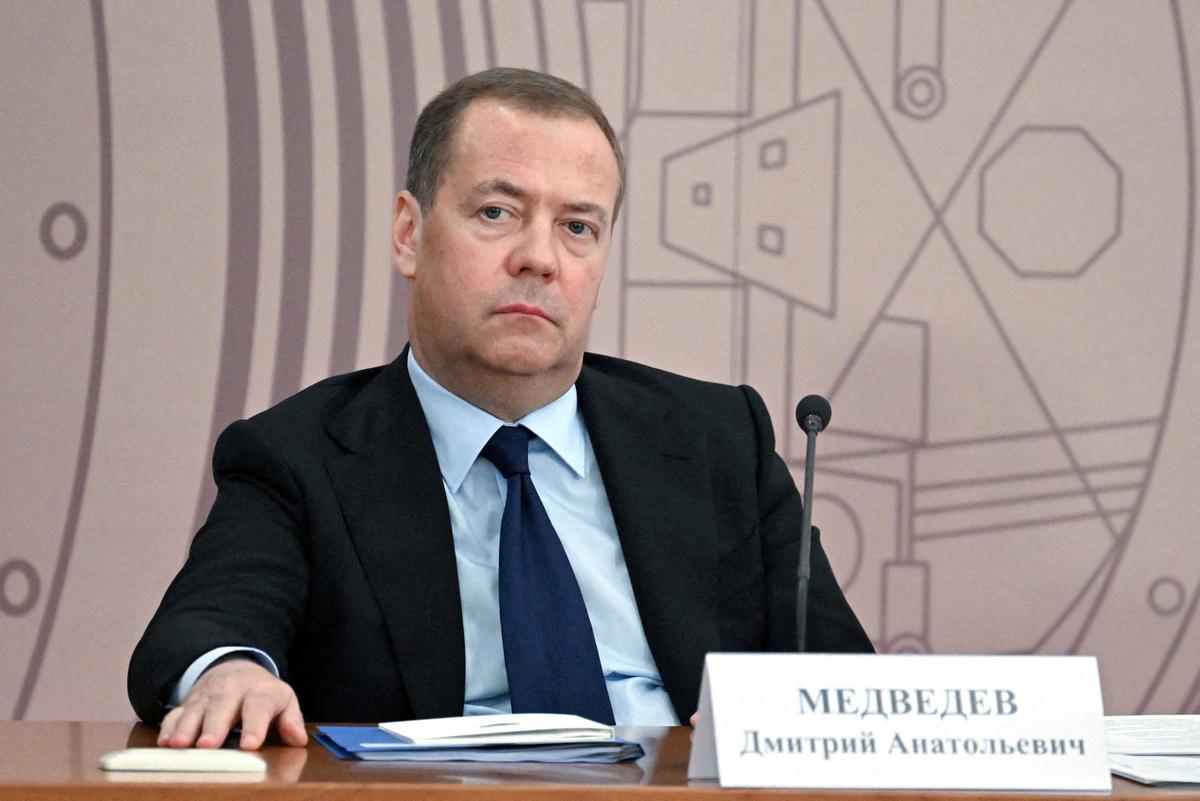
Russia’s Security Council’s Deputy Chairman Dmitry Medvedev attends a meeting of the Council for Science and Education at the Joint Institute for Nuclear Research in the Moscow region’s city of Dubna, Russia June 13, 2024.
12:48 JST, August 5, 2025
MOSCOW, Aug 4 (Reuters) – Russian former President Dmitry Medvedev blamed NATO countries on Monday for the abandonment of a moratorium on short- and medium-range nuclear missiles and said Moscow would take further steps in response.
Medvedev, who has been engaging in a exchange of acerbic barbs on social media with U.S. President Donald Trump, made his comments after Russia’s Foreign Ministry said Moscow no longer considered itself bound by the moratorium on the deployment of short- and medium-range nuclear missiles.
“The Russian Foreign Ministry’s statement on the withdrawal of the moratorium on the deployment of medium- and short-range missiles is the result of NATO countries’ anti-Russian policy,” Medvedev posted in English on X.
“This is a new reality all our opponents will have to reckon with. Expect further steps.”
Medvedev, who now serves as deputy head of Russia’s powerful Security Council, did not elaborate.
The U.S. withdrew from the Intermediate-Range Nuclear Forces treaty in 2019, citing Russian non-compliance. Russia has since said it would not deploy such weapons provided that Washington did not do so.
However, Foreign Minister Sergei Lavrov signalled last December that Moscow would have to respond to what he called “destabilising actions” by the U.S. and NATO in the strategic sphere.
“Since the situation is developing towards the actual deployment of U.S.-made land-based medium- and short-range missiles in Europe and the Asia-Pacific region, the Russian Foreign Ministry notes that the conditions for maintaining a unilateral moratorium on the deployment of similar weapons have disappeared,” the ministry said in its statement.
The INF treaty, signed in 1987 by Soviet leader Mikhail Gorbachev and U.S. President Ronald Reagan, eliminated an entire class of weapons — ground-launched missiles with a range of 500 to 5,500 kilometres (311 to 3,418 miles).
Medvedev, seen initially in the West as a potential moderate and reformer, has become one of the most hawkish senior officials on foreign policy in Moscow.
Trump last Friday said he had ordered two nuclear submarines to be moved to “the appropriate regions” in response to remarks from Medvedev about the risk of war between the nuclear-armed adversaries.






Most Read
Popular articles in the past 24 hours
-

Foreign and Security Policy: Political Parties Must Discuss How T...
-
Monkey Strikes Junior High School Girl from Behind in Japan's Yam...
-

Japan's Snow-Clad Beauty: Camellia Flowers Seen in Winter Bloom a...
-
Senior Japanese Citizens Return to University to Gain Knowledge, ...
-
Heavy Snow Linked to 30 Deaths across Japan since Late Jan.; JMA ...
-
Eels Peak Out of Sushi Installations at Sendai Aquarium as Japan ...
-

Tokyo Police Arrest Head of Resignation Assistance Firm
-

Japan’s Nikkei Stock Average Jumps near 4%, Closes at Record High...
Popular articles in the past week
-
Australian Woman Dies After Mishap on Ski Lift in Nagano Prefectu...
-
Foreign Snowboarder in Serious Condition After Hanging in Midair ...
-
Chinese Embassy in Japan Reiterates Call for Chinese People to Re...
-
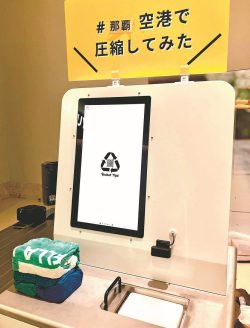
Narita Airport, Startup in Japan Demonstrate Machine to Compress ...
-

Toyota Motor Group Firm to Sell Clean Energy Greenhouses for Stra...
-
Sakie Yokota, Last Surviving Parent of a North Korea Abductee, Ur...
-

Beer Yeast Helps Save Labor, Water Use in Growing Rice; Govt Hope...
-

Japan Tourism Agency Calls for Strengthening Measures Against Ove...
Popular articles in the past month
-
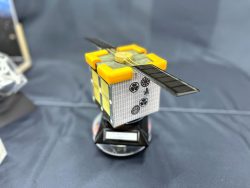
Univ. in Japan, Tokyo-Based Startup to Develop Satellite for Disa...
-
JAL, ANA Cancel Flights During 3-day Holiday Weekend due to Blizz...
-
China Confirmed to Be Operating Drilling Vessel Near Japan-China ...
-

China Eyes Rare Earth Foothold in Malaysia to Maintain Dominance,...
-

Japan Institute to Use Domestic Commercial Optical Lattice Clock ...
-
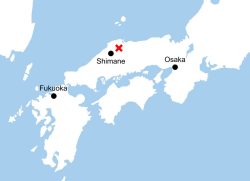
M6.2 Earthquake Hits Japan's Tottori, Shimane Prefectures; No Tsu...
-
Japan, Qatar Ministers Agree on Need for Stable Energy Supplies; ...
-
Japan, Italy to Boost LNG Cooperation; Aimed at Diversifying Japa...
Top Articles in News Services
-

Prudential Life Expected to Face Inspection over Fraud
-
Arctic Sees Unprecedented Heat as Climate Impacts Cascade
-

South Korea Prosecutor Seeks Death Penalty for Ex-President Yoon over Martial Law (Update)
-

Trump Names Former Federal Reserve Governor Warsh as the Next Fed Chair, Replacing Powell
-
Japan’s Nagasaki, Okinawa Make N.Y. Times’ 52 Places to Go in 2026
JN ACCESS RANKING
-
Univ. in Japan, Tokyo-Based Startup to Develop Satellite for Disaster Prevention Measures, Bears
-
JAL, ANA Cancel Flights During 3-day Holiday Weekend due to Blizzard
-
China Confirmed to Be Operating Drilling Vessel Near Japan-China Median Line
-
China Eyes Rare Earth Foothold in Malaysia to Maintain Dominance, Counter Japan, U.S.
-
Japan Institute to Use Domestic Commercial Optical Lattice Clock to Set Japan Standard Time