
University of Osaka Hospital Performs Multifetal Reductions After Conducting Japan’s 1st Clinical Study
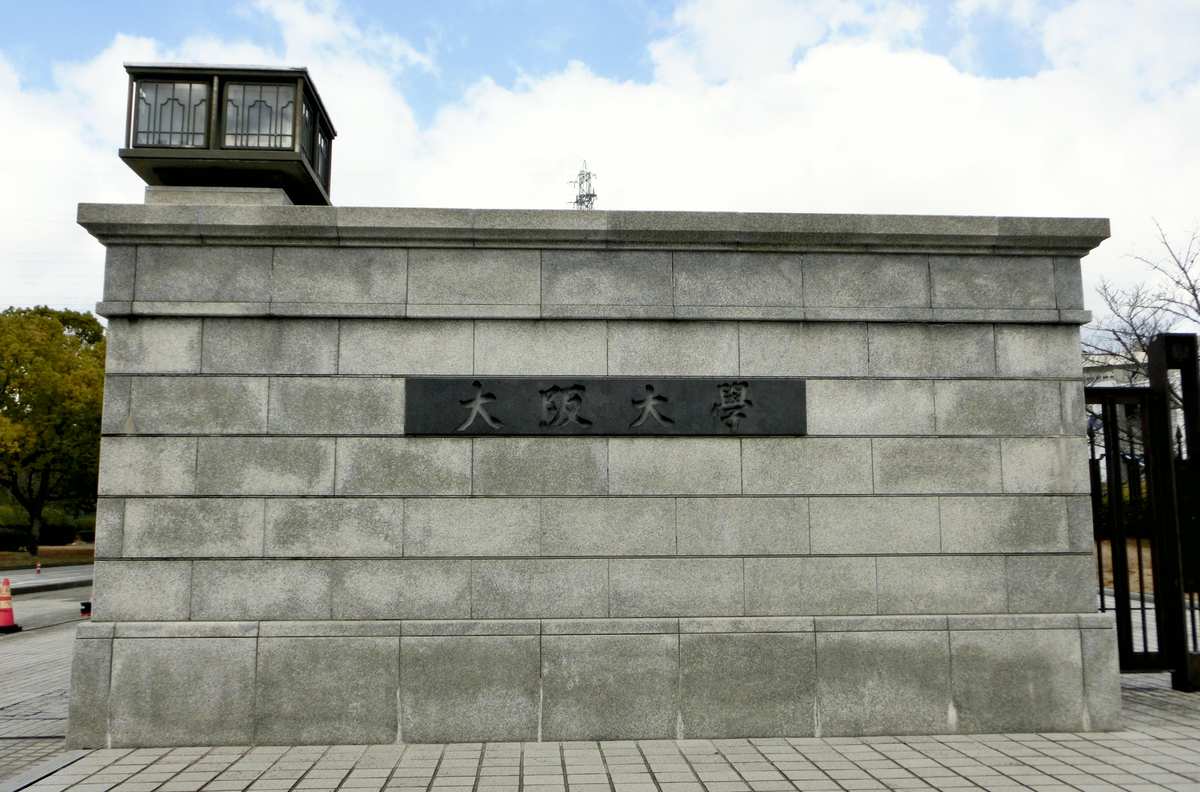
A gate of the University of Osaka is seen in Suita, Osaka Prefecture.
16:15 JST, July 14, 2025
The University of Osaka Hospital said Monday that it is performing surgeries to reduce the number of fetuses when there are health concerns as a result of a multiple pregnancy in an unusual announcement for a public medical institution.
A multifetal pregnancy reduction, or selective reduction, is performed when a multiple pregnancy occurs due to the use of ovulation induction medication as part of fertility treatments. The surgery is not considered abortion under the Maternal Health Law.
A specialized committee of the Health, Labor and Welfare Ministry indicated in 2003 that multifetal reductions were permissible to protect the lives of mothers and babies, and stipulated that whether to perform such a surgery should be carefully determined on a case-by-case basis.
Masayuki Endo, deputy director of the hospital’s Center for Fetal Diagnosis and Treatment, revealed Monday at a meeting of the Japan Society of Perinatal and Neonatal Medicine in Osaka that his team performed multifetal reductions in 2024 as part of Japan’s first clinical study on the subject.
After the study showed the method was highly reliable, the team later performed multifetal reductions on two pregnant women.
The clinical study was conducted from late March to December 2024 on 10 pregnant women aged in their 20s to 40s who were either carrying triplets or more, or twins with severe maternal complications.
Between the 11th and 13th weeks of pregnancy — when the risk of miscarriage is low — a needle was inserted into their abdomen to inject medicine into the fetus’ hearts.
A week after the procedure, the team checked the condition of the mothers and fetuses and confirmed fetal reduction in all cases. The impact on the fetuses not selected for reduction was minimal, with a survival rate of 89.5%, leading the team to conclude that the method was “highly reliable.”
The women were highly likely to experience feelings of depression before the procedure, and improved to a small degree afterward. The team pointed out the necessity of long-term psychological support for mothers.
Multiple fetuses are not rare in the case of infertility treatments that utilize fertility medication. However, they carry a high risk of complications such as preterm birth and pregnancy-induced hypertension, placing a significant burden on both mother and babies.
In Japan, the Suwa Maternity Clinic in Nagano Prefecture first reported performing a multifetal reduction in 1986, but clear guidelines for such procedures and post-operation care have not been established since then.
The University of Osaka Hospital team conducted the clinical study after discussions by an inhouse ethics committee. Based on the study’s results, it decided to perform surgeries only in cases of triplets or more, or in cases of twins where the mother has a serious medical condition such as heart disease.
The fetuses selected for reduction are chosen by considering the impact on other fetuses and the mother. Genetic and gender testing are not conducted for selection purposes.
“Discussions on the matter have stalled despite a growing necessity for such surgeries,” Endo said. “Pregnant women may feel a sense of guilt because the surgery is not widely accepted by society. We aim to make multifetal pregnancy reduction an option for families facing multiple pregnancies.”









Most Read
Popular articles in the past 24 hours
-

LDP Wins Historic Landslide Victory
-

LDP Wins Landslide Victory, Secures Single-party Majority; Ruling...
-
Japan’s LDP Set for Landslide Victory, Securing Sole Majority; Ex...
-

Ruling Coalition of LDP, JIP Secures Two-Thirds Majority, Enablin...
-

Diver from Taiwan Dies In Survey Work at Undersea Coal Mine Site ...
-

Milano Cortina 2026: Japan Finishes 2nd in Figure Skating Team Co...
-

LDP Secures ‘Absolute Majority,’ Enabling It to Dominate All Comm...
-
Japan's Opposition CRA Set to Lose Seats
Popular articles in the past week
-

Man Infected with Measles May Have Come in Contact with Many Peop...
-

Israeli Ambassador to Japan Speaks about Japan’s Role in the Reco...
-

BTS to Hold Comeback Concert in Seoul on March 21; Popular Boy Ba...
-
LDP Wins Historic Landslide Victory
-

Sapporo Snow Festival Opens with 210 Snow and Ice Sculptures at 3...
-

Green Tea Exports Hit Record High in 2025 Amid Growing Demand, Li...
-

Tokyo Had 65,000 More People Move In Than Out In 2025; Osaka Area...
-
U.N. Plans to Set Safety Regulation Standards on Automated Drivin...
Popular articles in the past month
-

Univ. in Japan, Tokyo-Based Startup to Develop Satellite for Disa...
-

Japan Institute to Use Domestic Commercial Optical Lattice Clock ...
-

JAL, ANA Cancel Flights During 3-day Holiday Weekend due to Blizz...
-

China Eyes Rare Earth Foothold in Malaysia to Maintain Dominance,...
-
Man Infected with Measles May Have Come in Contact with Many Peop...
-

Japan, Qatar Ministers Agree on Need for Stable Energy Supplies; ...
-

Australian Woman Dies After Mishap on Ski Lift in Nagano Prefectu...
-

Japan, Italy to Boost LNG Cooperation; Aimed at Diversifying Japa...
Top Articles in Science & Nature
JN ACCESS RANKING
-
Japan Institute to Use Domestic Commercial Optical Lattice Clock to Set Japan Standard Time
-
China Eyes Rare Earth Foothold in Malaysia to Maintain Dominance, Counter Japan, U.S.
-
Man Infected with Measles May Have Come in Contact with Many People in Tokyo, Went to Store, Restaurant Around When Symptoms Emerged
-
Japan, Qatar Ministers Agree on Need for Stable Energy Supplies; Motegi, Qatari Prime Minister Al-Thani Affirm Commitment to Cooperation
-
Australian Woman Dies After Mishap on Ski Lift in Nagano Prefecture