
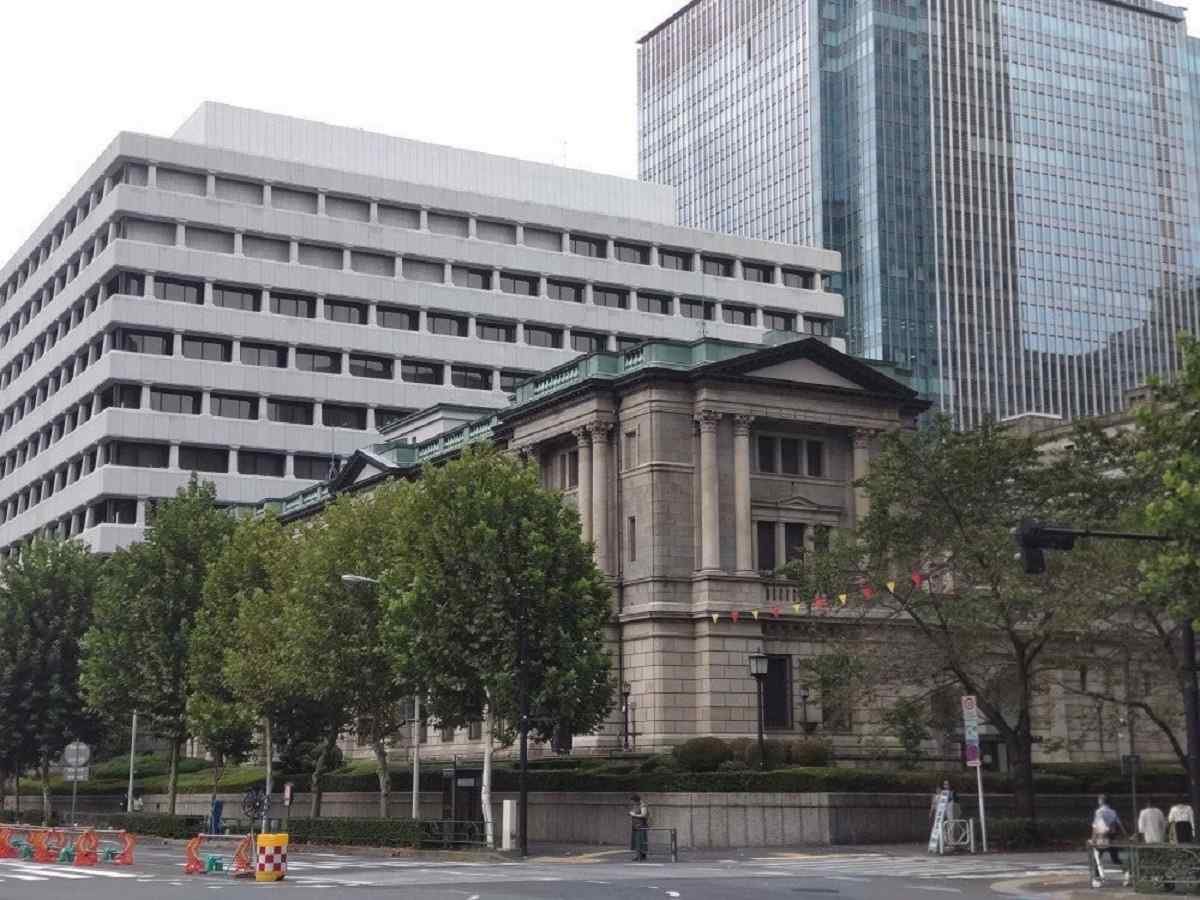
The Bank of Japan
11:59 JST, March 19, 2025
TOKYO, March 19 (Reuters) – The Bank of Japan kept interest rates unchanged on Wednesday, as policymakers chose to spend more time gauging how prospects of higher U.S. tariffs would affect the export-reliant economy.
The widely expected decision came as fears of a global slowdown caused by U.S. President Donald Trump’s tariff policy overshadow wage and price data showing Japan making progress in durably achieving the BOJ’s 2% inflation target.
Markets are focusing on Governor Kazuo Ueda’s post-meeting briefing for clues on how soon the bank could next raise rates, a decision complicated by the contrast between benign domestic data and uncertainty caused by Trump’s trade policy.
Having just raised interest rates in January, the board voted unanimously to maintain the bank’s short-term policy rate at 0.5% at a two-day meeting that ended on Wednesday.
The BOJ’s meeting came hours before that of the U.S. Federal Reserve, which is also expected to keep interest rates steady to watch how Trump’s planned April tariff hikes unfold.
“Japan’s economy is recovering moderately, albeit with some weak signs,” the BOJ said in a statement announcing the rate decision, signaling its confidence that rising wages will underpin consumption and the broader economy.
Rising rice prices and the fading effect of subsidies aimed at curbing fuel costs will likely put upward pressure on core consumer inflation through fiscal 2025, the statement said on Japan’s price outlook.
“Japan’s economic and price outlook remains highly uncertain,” due in part to risks surrounding the fallout from trade policies of each country, the statement said.
Big Japanese firms last week offered bumper pay hikes in wage talks with unions for a third straight year, backing the BOJ’s view that sustained wage gains will keep inflation durably around its 2% target.
But Trump’s back-and-forth comments on tariffs have roiled markets and stoked fears of a U.S. recession, which could hit Japan’s export-reliant economy, analysts say.
The United States raised tariffs on imports of steel and aluminum to 25%, effective last week, without exemptions.
Washington is expected to announce auto tariffs on April 2, alongside a more sweeping agenda of reciprocal tariffs.
The uncertainty over Trump’s tariff plans is already taking a toll with a Reuters poll showing Japanese manufacturers’ business mood soured in March.
While exports rose 11.4% in February from a year earlier, core machinery orders – a leading indicator of capital expenditure – fell 3.5% in January, data showed on Wednesday.
The Organisation for Economic Cooperation and Development (OECD) on Monday projected global growth to slow slightly from 3.2% in 2024 to 3.1% in 2025 and 3.0% in 2026, due largely to the drag from Trump’s tariff hikes.
The BOJ will take into account such data in a quarterly review of its growth and price forecasts at a subsequent policy meeting on April 30-May 1, which will be crucial to the timing and pace of further rate hikes.
The BOJ raised short-term rates to 0.5% in January after ending a massive stimulus program last year on the view Japan was on the cusp of meeting its long-term inflation objectives.
It has signaled readiness to raise rates further if economic and price developments move in line with projections. Over two-thirds of economists polled by Reuters expect the BOJ to hike rates to 0.75% in the third quarter, most likely in July.




Most Read
Popular articles in the past 24 hours
-
Many Candidates in Japan’s Lower House Election Focusing on Econo...
-
Milano Cortina 2026: Milano Cortina Olympic Athlete Villages Offe...
-
U.N. Plans to Set Safety Regulation Standards on Automated Drivin...
-
Japan, Thailand Bolster Cooperation to Combat Human Trafficking; ...
-

TEPCO’s Restructuring Plan: Develop Business Partnership Plans fo...
-
74% of Japan's LDP Candidates Favor Tax Cut, But Caution Remains
-

New World of ‘The Tale of Genji’ Born from Back-Translation; Sist...
-
Shogi Star Sota Fujii Earns Record ¥200 Million Plus, Reigns as M...
Popular articles in the past week
-
Australian Woman Dies After Mishap on Ski Lift in Nagano Prefectu...
-
Foreign Snowboarder in Serious Condition After Hanging in Midair ...
-

Man Infected with Measles May Have Come in Contact with Many Peop...
-
Chinese Embassy in Japan Reiterates Call for Chinese People to Re...
-
Narita Airport, Startup in Japan Demonstrate Machine to Compress ...
-
Toyota Motor Group Firm to Sell Clean Energy Greenhouses for Stra...
-
Beer Yeast Helps Save Labor, Water Use in Growing Rice; Govt Hope...
-
Japan Tourism Agency Calls for Strengthening Measures Against Ove...
Popular articles in the past month
-
Univ. in Japan, Tokyo-Based Startup to Develop Satellite for Disa...
-
JAL, ANA Cancel Flights During 3-day Holiday Weekend due to Blizz...
-

Japan Institute to Use Domestic Commercial Optical Lattice Clock ...
-
China Confirmed to Be Operating Drilling Vessel Near Japan-China ...
-
China Eyes Rare Earth Foothold in Malaysia to Maintain Dominance,...
-
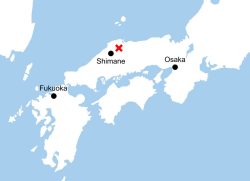
M6.2 Earthquake Hits Japan's Tottori, Shimane Prefectures; No Tsu...
-
Japan, Qatar Ministers Agree on Need for Stable Energy Supplies; ...
-
Australian Woman Dies After Mishap on Ski Lift in Nagano Prefectu...
Top Articles in News Services
-

Prudential Life Expected to Face Inspection over Fraud
-
Arctic Sees Unprecedented Heat as Climate Impacts Cascade
-

South Korea Prosecutor Seeks Death Penalty for Ex-President Yoon over Martial Law (Update)
-
Trump Names Former Federal Reserve Governor Warsh as the Next Fed Chair, Replacing Powell
-
Suzuki Overtakes Nissan as Japan’s Third‑Largest Automaker in 2025
JN ACCESS RANKING
-
Univ. in Japan, Tokyo-Based Startup to Develop Satellite for Disaster Prevention Measures, Bears
-
JAL, ANA Cancel Flights During 3-day Holiday Weekend due to Blizzard
-
Japan Institute to Use Domestic Commercial Optical Lattice Clock to Set Japan Standard Time
-
China Confirmed to Be Operating Drilling Vessel Near Japan-China Median Line
-
China Eyes Rare Earth Foothold in Malaysia to Maintain Dominance, Counter Japan, U.S.