
10 Universities in Japan, South Korea, Mongolia to Establish Academic Community to Promote ICC Activities, Rule of Law
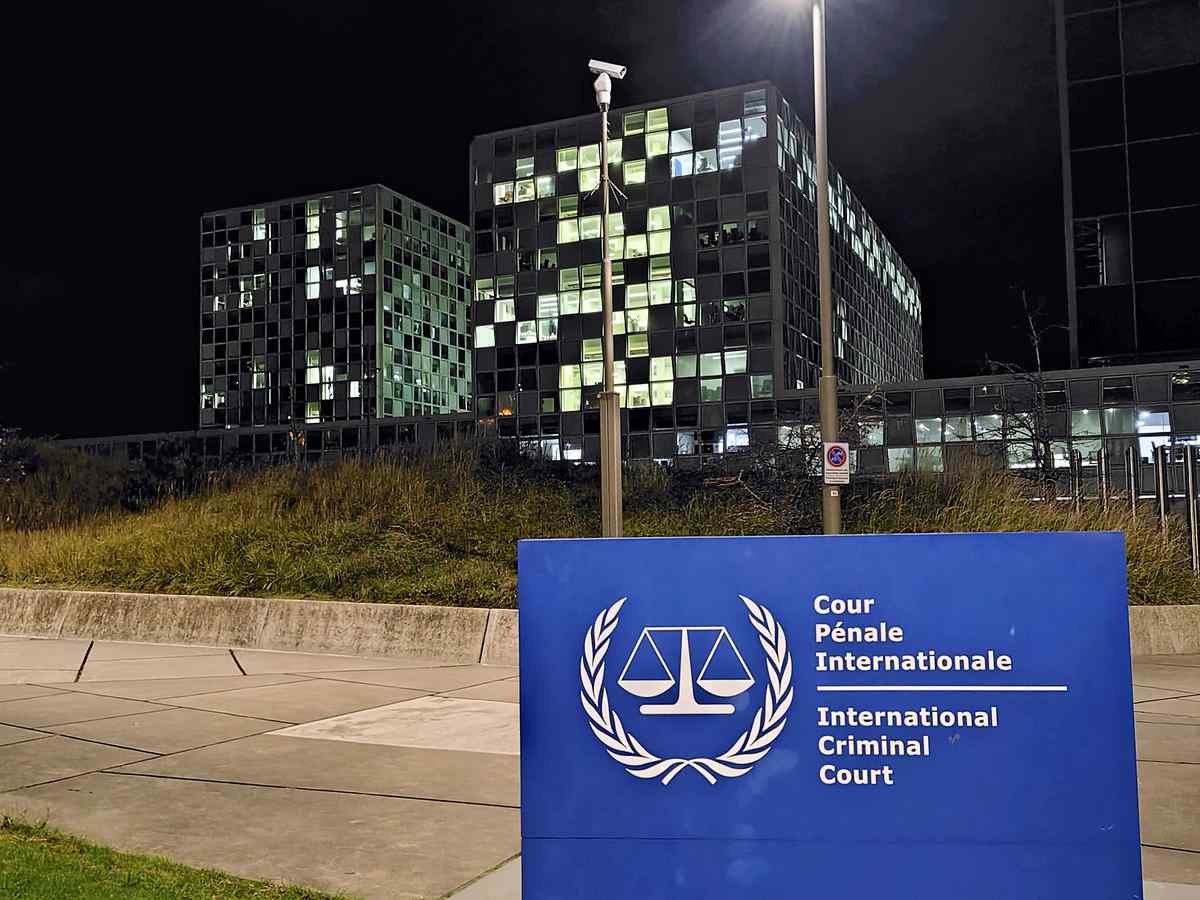
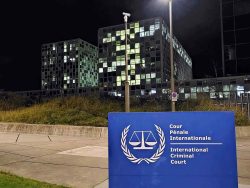
The headquarters of the International Criminal Court in The Hague
12:45 JST, January 11, 2026
Ten universities in Japan, South Korea and Mongolia will soon establish an academic community to support the International Criminal Court (ICC) and its activities in pursuing war crimes, The Yomiuri Shimbun has learned.
The planned community’s secretariat will be headquartered at Keio University in Tokyo, according to sources. It will support the ICC through information dissemination, advising on legislation of various countries and providing human resources, to increase Asian members of the ICC, which is based in The Hague.
Future plans include developing it into an official ICC office in the region.
The initiative will comprise five Japanese universities — Keio University, Doshisha University, Kyoto University, Hitotsubashi University and Utsunomiya University, in addition to four universities in South Korea, including Seoul National University and National University of Mongolia.
As the ICC’s first such framework, the initiative will start its activities in February and be formally organized in April. The European Union also plans to provide operational funding through the ICC.
Experts in international law and war crimes will lead efforts to encourage nonmember states to join the ICC. The community will also strengthen personnel exchanges with the ICC and cooperate in promoting the rule of law, a founding principle of the ICC.
Judge Tomoko Akane has been serving as the ICC’s president since March 2024. However, only 19 out of about 55 countries and regions in Asia and the Pacific are members. With few of its staff members being knowledgeable about Asia, the new initiative is also expected to alleviate personnel shortages.
The ICC is considering establishing regional offices in four locations worldwide. According to sources, the secretariat headquarters to be set up at Keio University could evolve into a regional office for Asia.
The ICC was established in 2002 to address the conflicts in the former Yugoslavia and the genocide in Rwanda. It prosecutes individuals for acts such as genocide and war crimes under international law. Member states are obligated to cooperate in arresting suspects and providing evidence. It currently has 125 members.






Popular Articles
Popular articles in the past 24 hours
-
Kobe Woman Reads Picture Books to Children to Teach Lessons of Ea...
-
10 Universities in Japan, South Korea, Mongolia to Establish Acad...
-
Inclusive Society / Cultural Barriers Between Japanese, Non-Japan...
-

Electronics, Heavy Industry Firms Expand Workforces, Boost Capita...
-
M5.1 Earthquake Hits Japan’s Iwate Pref.; No Risk of Tsunami
-
Heavy Snow, Strong Winds to Hit Parts of Japan Through Monday; To...
-

Defense Spending Set to Top ¥9 Trillion: Vigilant Monitoring of W...
-

My Mother Is against My Marriage Because My Fiancee Is Repaying S...
Popular articles in the past week
-
China Confirmed to Be Operating Drilling Vessel Near Japan-China ...
-
M6.2 Earthquake Hits Japan's Tottori, Shimane Prefectures; No Tsu...
-

Mcdonald's, Starbucks in Japan Move Away from Paper Straws Amid C...
-
Sanyo Shinkansen Train Service Fully Resumed (Update 2)
-
Tokaido Shinkansen, Sanyo Shinkansen Nozomi Trains to Have Reserv...
-
Taiwan Alarmed by China’s AI-Driven Election Interference; Beijin...
-
Business Leaders Praise Takaichi's Economic Policies; Executives ...
-
Tsunami Can Travel Vast Distances Before Striking, Warn Japanese ...
Popular articles in the past month
-
As Chinese Tourists Shun Japan, Hotels and Stores Suffer
-
Tokyo Economic Security Forum to Hold Inaugural Meeting Amid Tens...
-
Osaka-Kansai Expo's Economic Impact Estimated at ¥3.6 Trillion, T...
-
Japan Govt Adopts Measures to Curb Mega Solar Power Plant Project...
-
BOJ Gov. Ueda: Highly Likely Mechanism for Rising Wages, Prices W...
-
Economic Security Panels Debate Supply Chains, Rare Earths; Parti...
-
Japan, U.S. Start Talks on Tokyo's $550 Bil. Investment in U.S.; ...
-
Tokyo Ranks 2nd in Global Power City Index, Highest-Ever Position...
"World" POPULAR ARTICLE
-
U.S. Senate Resolution Backs Japan, Condemns China’s Pressure
-
China to Impose Sanctions on Shigeru Iwasaki, Former Head of Japan’s Self-Defense Forces, Who Serves as Adviser to Taiwan’s Executive Branch
-
China Confirmed to Be Operating Drilling Vessel Near Japan-China Median Line
-

Chinese Foreign Ministry Criticizes Japan’s Largest Ever Defense Budget in Draft Budget for Fiscal 2026
-
China Appears to Warn Japan, U.S. with Drills Around Taiwan
JN ACCESS RANKING
-
As Chinese Tourists Shun Japan, Hotels and Stores Suffer
-
Osaka-Kansai Expo’s Economic Impact Estimated at ¥3.6 Trillion, Takes Actual Visitor Numbers into Account
-
Japan Govt Adopts Measures to Curb Mega Solar Power Plant Projects Amid Environmental Concerns
-
BOJ Gov. Ueda: Highly Likely Mechanism for Rising Wages, Prices Will Be Maintained
-
Economic Security Panels Debate Supply Chains, Rare Earths; Participants Emphasize Importance of Cooperation Among Allies