
Dr. Nakamura’s Dream Clinic Awaits Leprosy Patients; Prejudice Toward Disease Remains Barrier
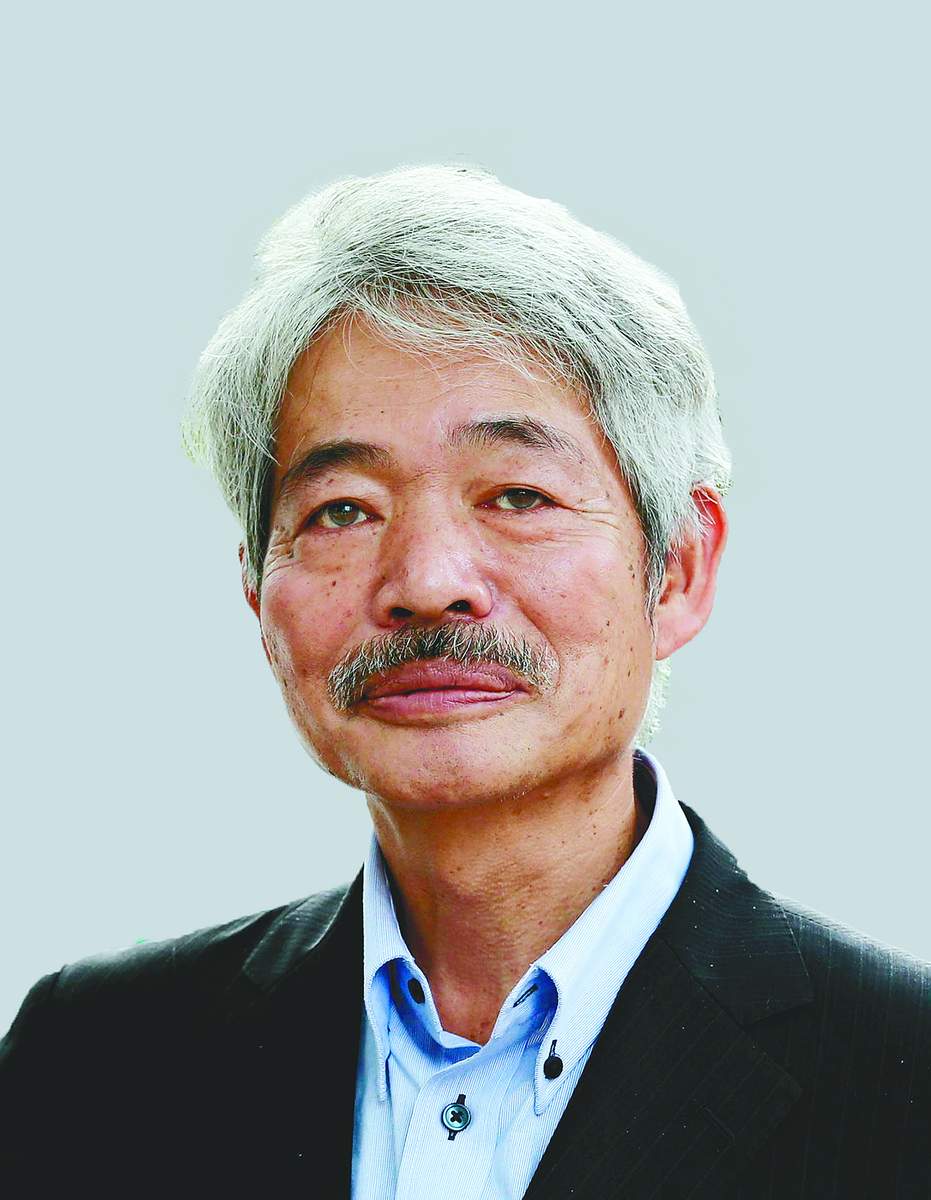
Tetsu Nakamura
2:00 JST, December 14, 2025
JALALABAD, Afghanistan — Thursday marked six years since Dr. Tetsu Nakamura was fatally shot at the age of 73 while engaging in humanitarian aid in Afghanistan, and the doctor’s lifelong dream has finally come true: A leprosy clinic has opened in Jalalabad, eastern Afghanistan.
However, no patients have voluntarily visited the new clinic, and staff are battling prejudice toward the disease.
The new clinic is operated by Fukuoka-based Peshawar-kai and Peace Japan Medical Services (PMS), a private Afghan NGO where Dr. Nakamura served as local representative. The two organizations rented a three-story house in the city and equipped it with 10 beds, making it capable of handling emergencies and long-term hospitalizations.
The 19 Afghans who make up the staff consist of two doctors, including a dermatologist, two male and two female nurses, a clinical laboratory technician, a pharmacist and others. The team includes doctors who supported Nakamura for many years and younger generations who were inspired by his projects, such as transforming desert into green spaces through agricultural irrigation canal development.
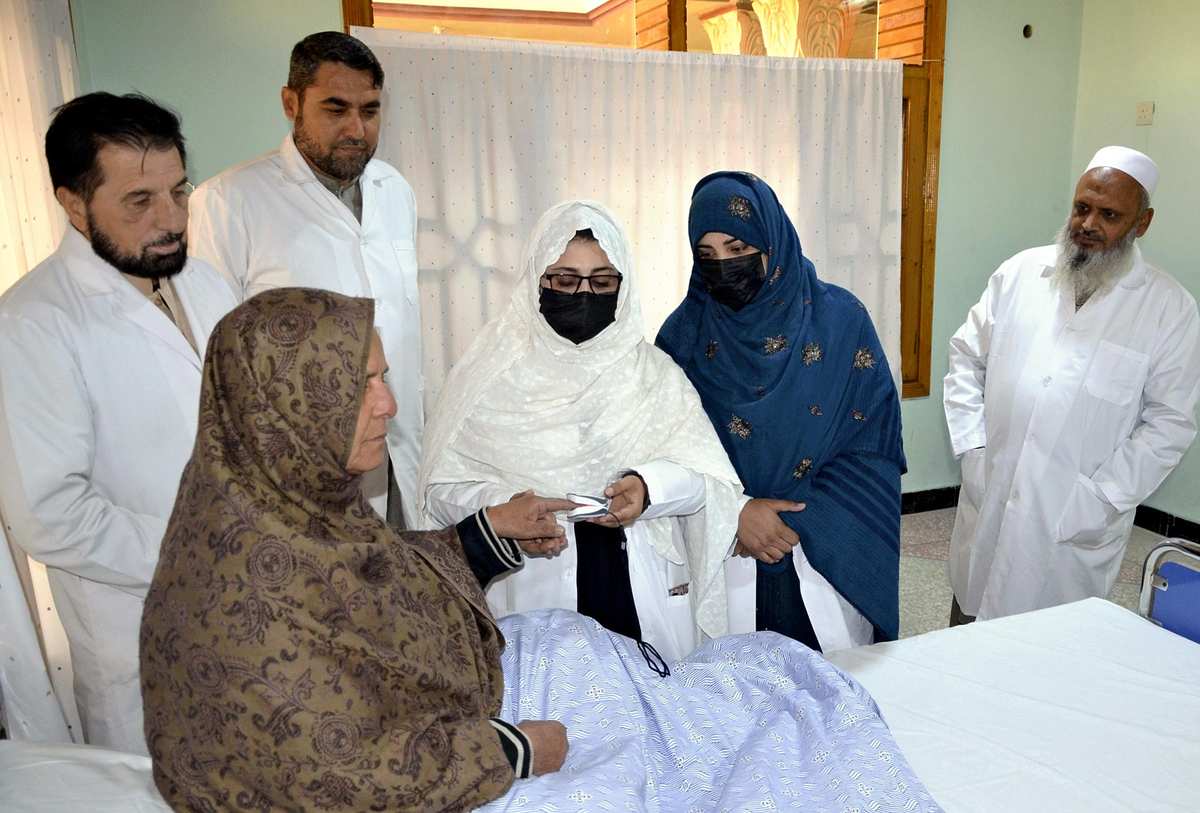
Dr. Mohammad Abid, left, and other Afghan staff make preparations at the leprosy clinic, which is Dr. Nakamura’s long-cherished dream, in Jalalabad, Afghanistan, on Nov. 27.
“Dr. Nakamura send me to clinic in Dara-e-Noor [in Afghanistan’s Nangarhar Province]. From that time, he said, ‘One day, I want to open a leprosy clinic in Jalalabad.’ But he didn’t know when,” said Dr. Mohammad Abid, 61, who had worked alongside Nakamura since the 1980s when he began treating leprosy patients in Peshawar, northwest Pakistan.
“It took long time to reach here,” he added.
Mountainous regions in the country with inadequate healthcare systems are said to have high numbers of leprosy patients. Moreover, in the 1980s, 200 to 300 Afghans traveled to Pakistan for treatment, according to Abid.
“Considering that Afghanistan has seen long-term conflicts, some areas may have many patients,” a Peshawar-kai member said.
Nevertheless, the absence of patients is said to be due to local prejudice toward leprosy and a lack of knowledge about the disease.
PMS has printed 2,000 referral cards for those with the disease or suspected of having it, but the initial strategy is to launch awareness campaigns emphasizing that leprosy is curable.
The project faces another challenge: None of the hired doctors or nurses have prior experience treating the disease, adding barriers to training.
Chiyoko Fujita, 66, a Peshawar-kai director and nurse with field experience, will train nurses at the clinic in December.
“We will take the utmost care to avoid creating unnecessary prejudices and will nurture the next generation to keep Dr. Nakamura’s hope alive,” Fujita said.


Related Tags



Most Read
Popular articles in the past 24 hours
-

Japanese Shipping Giants Halt Strait of Hormuz Transit as Iran Co...
-

U.S. Launches Attacks on Iran: Avoid Escalation of Conflict by An...
-

Sawtooth Roof Factory Stands as Monument to Ashikaga Textile Hist...
-
Parents of Japanese Teen Shot in U.S. Strive for Gun Control
-
Disinformation Spreads About Team Mirai, Ballot Readers; Online P...
-
Asahi Breweries to Stage Comeback with New Product in April; Comp...
-
Bank of Japan Deputy Governor Says Rate Hikes Likely to Continue
-

Japanese Government Bonds Rally, Yields Tumble as Iran Strikes Sp...
Popular articles in the past week
-

Nepal Bus Crash Kills 19 People, Injures 25 Including One Japanes...
-
Milano Cortina 2026: Japanese Gold Medalist Figure Skater Miura S...
-

Tokyo Spends Big on Children, Wins Over Parents
-

McDonald's Japan Raises Prices; Big Mac to Cost ¥500, Double Chee...
-

Japan’s Miura, Kihara Announce Withdrawal from Figure Skating Wor...
-
Exhibition Featuring Yoshiharu Tsuge’s Manga World Underway in Ch...
-

Yokohama to Test Out Renewable-Powered Offshore Floating Data Cen...
-
BOJ Keeping Eye on Economy and Takaichi's ‘Proactive Fiscal Polic...
Popular articles in the past month
-

Producer Behind Pop Group XG Arrested for Cocaine Possession
-

Japan PM Takaichi’s Cabinet Resigns en Masse
-

Man Infected with Measles Reportedly Dined at Restaurant in Tokyo...
-

Israeli Ambassador to Japan Speaks about Japan’s Role in the Reco...
-

Videos Plagiarized, Reposted with False Subtitles Claiming ‘Ryuky...
-

Man Infected with Measles May Have Come in Contact with Many Peop...
-

Prudential Life Insurance Plans to Fully Compensate for Damages C...
-

Woman with Measles Visited Hospital in Tokyo Multiple Times Befor...
Top Articles in World
-
Israeli Ambassador to Japan Speaks about Japan’s Role in the Reconstruction of Gaza
-
Videos Plagiarized, Reposted with False Subtitles Claiming ‘Ryukyu Belongs to China’; Anti-China False Information Also Posted in Japan
-
Nepal Bus Crash Kills 19 People, Injures 25 Including One Japanese National
-
Russia: Visa Required for Visiting Graves in Northern Territories, Lifting of Sanctions Also Necessary
-

China, India Tapping into Promising African Market; Beijing Announces Tariff Cuts, Both Countries Aim to Expand Exports
JN ACCESS RANKING
-
Producer Behind Pop Group XG Arrested for Cocaine Possession
-
Japan PM Takaichi’s Cabinet Resigns en Masse
-
Man Infected with Measles Reportedly Dined at Restaurant in Tokyo Station
-
Israeli Ambassador to Japan Speaks about Japan’s Role in the Reconstruction of Gaza
-
Videos Plagiarized, Reposted with False Subtitles Claiming ‘Ryukyu Belongs to China’; Anti-China False Information Also Posted in Japan