
Japan, U.S. Mull Signing Agreement for Space Launches; Deal Would Allow U.S. Space Launches within Japan’s Borders
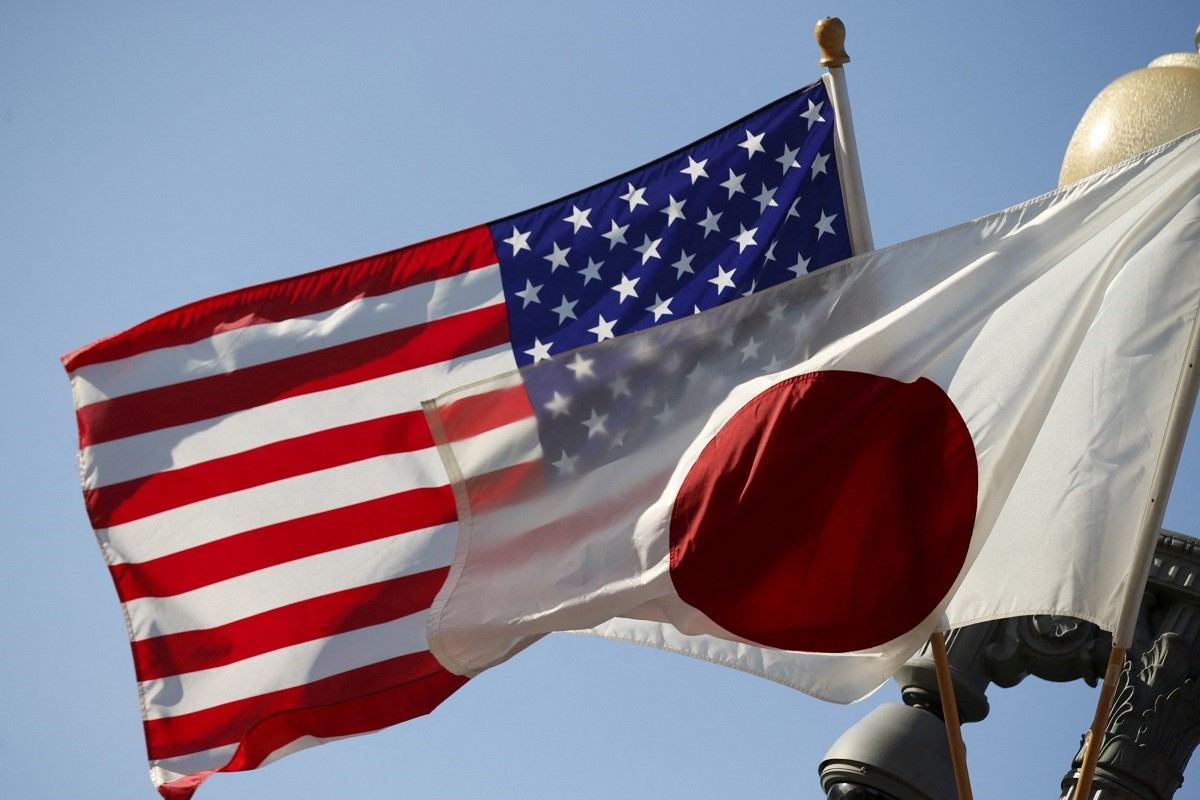
The U.S. and Japan flags fly together outside the White House in Washington April 27, 2015.
17:55 JST, April 1, 2024
Japan and the United States will likely sign a Technology Safeguard Agreement (TSA) to cooperate on space development, several Japanese government sources said.
The agreement will provide a legal framework for U.S. commercial rockets that contain export-restricted technologies to be launched inside Japan.
The agreement would enable Japan and the United States to stimulate both countries’ space-related industries. The leaders of the two countries will discuss the matter at a summit meeting next week and start negotiations to expediate the path to signing.
As the technologies used in rocket development are similar to those used in ballistic missile development, exports are restricted under the Missile Technology Control Regime (MTCR). The TSA stipulates measures to prevent leaks of technology, enabling the U.S. to launch rockets within a partner country’s borders.
Although behind-the-scenes discussions are just beginning with Japan, the United States has already signed TSAs with the United Kingdom, Australia and elsewhere. Various issues, such as proper handling of rockets and other equipment brought to Japan and failed launches, will be discussed at subsequent negotiations.
Japan’s space industry is said to lag behind Europe and the United States. The large capital requirement and lengthy delay before seeing a profit are two reasons for the gap. By bringing U.S. rocket launches to Japan, the Japanese government hopes to improve the profitability of related industries, such as those involving ground facilities and fuel supply networks, and to hasten the development of the domestic space industry.
Rocket technology that has a low environmental impact, such as air-launched horizontal takeoff designs, continues to progress. Surrounded by the sea, Japan is said to have a geographical advantage for horizontal air-launches, as falling objects pose a minimal risk over the sea.
On the U.S. side, the agreement will help secure a range of launch sites to suit their developmental needs, and launches from Japan will have the advantage of easily tapping into strong demand for the technologies in neighboring Asian countries.
Global competition in space development is intensifying, as space-related advancements directly affect national interests, from space travel and the satellite business to national security. With civil-military integration as its goal, China is also rapidly improving its technological capabilities. By 2040, the value of the global space industry is expected to reach \150 trillion, according to one estimate.
Gakushuin University Prof. Soichiro Kozuka, who studies space law, said the agreement would be significant in the development of Japan’s space industry, as it would foster the growth of industries related to the launches.
“It will eventually lead to the improvement of Japan’s own domestic rocket technology,” he said.




Most Read
Popular articles in the past 24 hours
-

Voters Using AI to Choose Candidates in Japan's Upcoming General ...
-

Japan's Snow-Clad Beauty: Camellia Flowers Seen in Winter Bloom a...
-
Monkey Strikes Junior High School Girl from Behind in Japan's Yam...
-

Genichiro Inokuma's Mural in Ueno Station That Gave Hope in Postw...
-
Senior Japanese Citizens Return to University to Gain Knowledge, ...
-

Foreign and Security Policy: Political Parties Must Discuss How T...
-
Heavy Snow Linked to 30 Deaths across Japan since Late Jan.; JMA ...
-

Tokyo Police Arrest Head of Resignation Assistance Firm
Popular articles in the past week
-

Japan Institute to Use Domestic Commercial Optical Lattice Clock ...
-
Australian Woman Dies After Mishap on Ski Lift in Nagano Prefectu...
-
Foreign Snowboarder in Serious Condition After Hanging in Midair ...
-
Chinese Embassy in Japan Reiterates Call for Chinese People to Re...
-
Narita Airport, Startup in Japan Demonstrate Machine to Compress ...
-

Toyota Motor Group Firm to Sell Clean Energy Greenhouses for Stra...
-

Sakie Yokota, Last Surviving Parent of a North Korea Abductee, Ur...
-

Beer Yeast Helps Save Labor, Water Use in Growing Rice; Govt Hope...
Popular articles in the past month
-
Univ. in Japan, Tokyo-Based Startup to Develop Satellite for Disa...
-
JAL, ANA Cancel Flights During 3-day Holiday Weekend due to Blizz...
-
China Confirmed to Be Operating Drilling Vessel Near Japan-China ...
-

China Eyes Rare Earth Foothold in Malaysia to Maintain Dominance,...
-
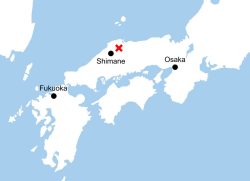
M6.2 Earthquake Hits Japan's Tottori, Shimane Prefectures; No Tsu...
-
Japan Institute to Use Domestic Commercial Optical Lattice Clock ...
-
Japan, Qatar Ministers Agree on Need for Stable Energy Supplies; ...
-

Japan, Italy to Boost LNG Cooperation; Aimed at Diversifying Japa...
Top Articles in Politics
-

Japan Seeks to Enhance Defense Capabilities in Pacific as 3 National Security Documents to Be Revised
-
Japan Tourism Agency Calls for Strengthening Measures Against Overtourism
-

Japan’s Prime Minister: 2-Year Tax Cut on Food Possible Without Issuing Bonds
-
Japan-South Korea Leaders Meeting Focuses on Rare Earth Supply Chains, Cooperation Toward Regional Stability
-
Japanese Government Plans New License System Specific to VTOL Drones; Hopes to Encourage Proliferation through Relaxed Operating Requirements
JN ACCESS RANKING
-
Univ. in Japan, Tokyo-Based Startup to Develop Satellite for Disaster Prevention Measures, Bears
-
JAL, ANA Cancel Flights During 3-day Holiday Weekend due to Blizzard
-
China Confirmed to Be Operating Drilling Vessel Near Japan-China Median Line
-
China Eyes Rare Earth Foothold in Malaysia to Maintain Dominance, Counter Japan, U.S.
-
Japan Institute to Use Domestic Commercial Optical Lattice Clock to Set Japan Standard Time