
Japan’s Prime Minister: 2-Year Tax Cut on Food Possible Without Issuing Bonds
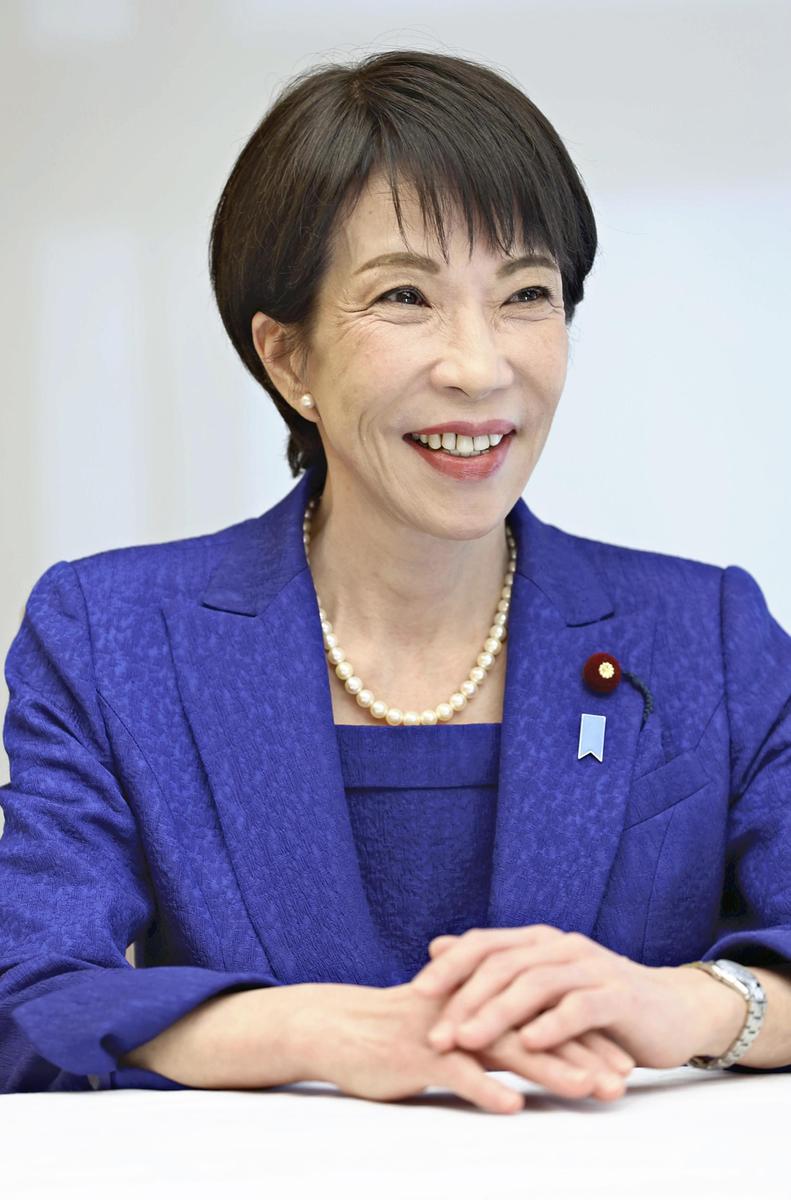
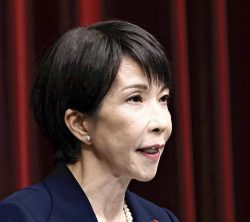
Prime Minister Sanae Takaichi speaks during an interview with The Yomiuri Shimbun at the Prime Minister’s Office in Tokyo on Friday.
2:00 JST, January 25, 2026
Prime Minister Sanae Takaichi asserted that her proposal to temporarily reduce the consumption tax rate on food to zero would not require government bonds to be issued, during an interview with The Yomiuri Shimbun on Friday.
The proposal was made for the upcoming House of Representatives election, and Takaichi said, “[The financial resources] can be secured without issuing special deficit-financing bonds, as long as the measure is limited to two years.”
Takaichi, who is also the president of the Liberal Democratic Party, positioned the tax cut as a transitional measure until the introduction of a “tax credit with cash payments” system, which combines tax reductions and cash benefits. She expressed an intention to develop the design of the system through a national council comprising ruling and opposition party lawmakers.
The prime minister stressed the consumption tax’s importance, stating, “It is necessary that everyone broadly contributes to preserving the social security sytem.” She then expressed her resolve to implement the tax cut for food products for a two-year period until the tax credits with cash payment system is established.
As for financial resources to cover the tax cut, Takaichi cited a review of special tax measures and subsidies, in addition to non-tax revenues. She committed to proceeding with revisions to relevant tax laws by building a consensus with opposition parties through a national council to be convened after the lower house election.
She also vowed to push for a turnaround in economic and fiscal policies, saying, “What I will prioritize and advocate for in the lower house election is ‘responsible, proactive fiscal policy.’”
Takaichi emphasized that she would “fundamentally reform the way the national budget is created” by allocating necessary funds in the initial budget, moving away from the practice of relying on annual supplementary budgets.
Commenting on the issue of diplomacy and security, Takaichi said she would drastically strengthen security policy through an early revision of three key security-related documents. “The government will establish a more robust command center for intelligence operations, including the creation of a national intelligence agency,” she said.
Should the ruling parties fail to achieve a majority in the lower house election, “I would naturally have to step down as prime minister,” she said.
Before the lower house was dissolved, the LDP, the Japan Innovation Party and aligned independent members constituted a very slim majority. On this Takaichi said: “A stable government administration cannot be maintained without a stable majority. A few more seats are necessary to ensure stability.”


Related Tags


Most Read
Popular articles in the past 24 hours
-

Japan's Snow-Clad Beauty: Camellia Flowers Seen in Winter Bloom a...
-
Monkey Strikes Junior High School Girl from Behind in Japan's Yam...
-

Foreign and Security Policy: Political Parties Must Discuss How T...
-
Senior Japanese Citizens Return to University to Gain Knowledge, ...
-
Genichiro Inokuma's Mural in Ueno Station That Gave Hope in Postw...
-
Heavy Snow Linked to 30 Deaths across Japan since Late Jan.; JMA ...
-
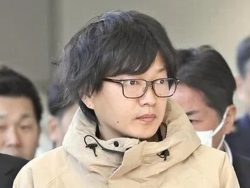
Tokyo Police Arrest Head of Resignation Assistance Firm
-

Japan’s Nikkei Stock Average Jumps near 4%, Closes at Record High...
Popular articles in the past week
-

Japan Institute to Use Domestic Commercial Optical Lattice Clock ...
-
Australian Woman Dies After Mishap on Ski Lift in Nagano Prefectu...
-
Foreign Snowboarder in Serious Condition After Hanging in Midair ...
-

Chinese Embassy in Japan Reiterates Call for Chinese People to Re...
-
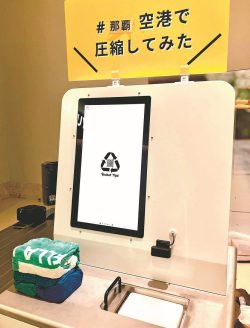
Narita Airport, Startup in Japan Demonstrate Machine to Compress ...
-

Toyota Motor Group Firm to Sell Clean Energy Greenhouses for Stra...
-
Sakie Yokota, Last Surviving Parent of a North Korea Abductee, Ur...
-

Beer Yeast Helps Save Labor, Water Use in Growing Rice; Govt Hope...
Popular articles in the past month
-
Univ. in Japan, Tokyo-Based Startup to Develop Satellite for Disa...
-

JAL, ANA Cancel Flights During 3-day Holiday Weekend due to Blizz...
-
China Confirmed to Be Operating Drilling Vessel Near Japan-China ...
-

China Eyes Rare Earth Foothold in Malaysia to Maintain Dominance,...
-
Japan Institute to Use Domestic Commercial Optical Lattice Clock ...
-
M6.2 Earthquake Hits Japan's Tottori, Shimane Prefectures; No Tsu...
-
Japan, Qatar Ministers Agree on Need for Stable Energy Supplies; ...
-

Japan, Italy to Boost LNG Cooperation; Aimed at Diversifying Japa...
Top Articles in Politics
-
Japan Seeks to Enhance Defense Capabilities in Pacific as 3 National Security Documents to Be Revised
-
Japan Tourism Agency Calls for Strengthening Measures Against Overtourism
-
Japan-South Korea Leaders Meeting Focuses on Rare Earth Supply Chains, Cooperation Toward Regional Stability
-

Japanese Government Plans New License System Specific to VTOL Drones; Hopes to Encourage Proliferation through Relaxed Operating Requirements
-
Takaichi Bets Her Future on Snap Election; Hopes to Gain Public Mandate for Administration
JN ACCESS RANKING
-
Univ. in Japan, Tokyo-Based Startup to Develop Satellite for Disaster Prevention Measures, Bears
-
JAL, ANA Cancel Flights During 3-day Holiday Weekend due to Blizzard
-
China Confirmed to Be Operating Drilling Vessel Near Japan-China Median Line
-
China Eyes Rare Earth Foothold in Malaysia to Maintain Dominance, Counter Japan, U.S.
-
Japan Institute to Use Domestic Commercial Optical Lattice Clock to Set Japan Standard Time