
Japan Innovation Party Pledges ‘Second Capital Law’ ahead of Election, Proposes Cap on Foreign Population
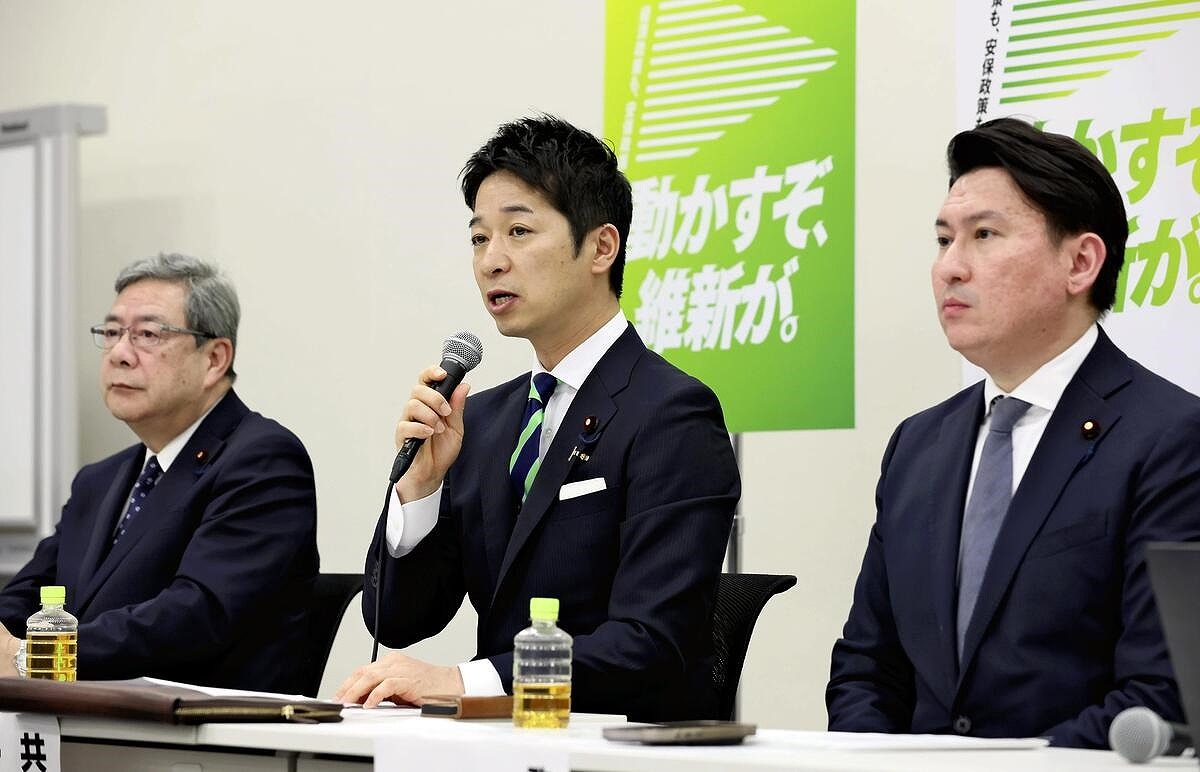
Japan Innovation Party coleader Fumitake Fujita, center, announces the party’s election pledges for the House of Representatives election in the Diet Building on Wednesday.
13:14 JST, January 22, 2026
The Japan Innovation Party unveiled on Wednesday its official pledges for the upcoming House of Representatives election. A central proposal is its “second capital law” for addressing the overconcentration of population and government functions in Tokyo.
The party’s policy package also calls for reductions in social insurance premiums and a temporary cut to the consumption tax. As part of governance reforms designed to create a backup for the nation’s capital functions, the JIP identified Fukuoka and Sapporo as potential “second capital” candidates alongside its home base of Osaka.
On social security reform, the JIP pledges to slash annual medical expenditures by more than ¥4 trillion, aiming to lower social insurance premiums by ¥60,000 per year for each working-age resident. The pledges also include a move to raise the out-of-pocket medical payment rate for the elderly to 30%.
To combat rising prices, the party seeks to “accelerate discussions” within a cross-party national council to set the consumption tax rate on food items at 0% for two years — a move that aligns with campaign promises announced by the Liberal Democratic Party on the same day.
To cut wasteful spending, the JIP is advocating a “government efficiency bureau” and the abolition of special taxation measures and subsidies deemed to have low policy effectiveness. In line with its signature “self-sacrificing reform” mantra, the party also vowed to reduce the number of lower house seats by 10% in the next Diet session.
The JIP called for the enactment of an anti-espionage law and the establishment of a foreign intelligence service, in addition to proposing a cap on the percentage of foreign residents in Japan. The party also suggested the joint ownership of nuclear submarines with the United States as one part of the strengthening of the Japan-U.S. alliance.


Related Tags


Most Read
Popular articles in the past 24 hours
-

Voters Using AI to Choose Candidates in Japan's Upcoming General ...
-

Japan's Snow-Clad Beauty: Camellia Flowers Seen in Winter Bloom a...
-
Monkey Strikes Junior High School Girl from Behind in Japan's Yam...
-

Genichiro Inokuma's Mural in Ueno Station That Gave Hope in Postw...
-
Senior Japanese Citizens Return to University to Gain Knowledge, ...
-
Heavy Snow Linked to 30 Deaths across Japan since Late Jan.; JMA ...
-

Foreign and Security Policy: Political Parties Must Discuss How T...
-
Tokyo Police Arrest Head of Resignation Assistance Firm
Popular articles in the past week
-

Japan Institute to Use Domestic Commercial Optical Lattice Clock ...
-
Australian Woman Dies After Mishap on Ski Lift in Nagano Prefectu...
-
Foreign Snowboarder in Serious Condition After Hanging in Midair ...
-
Chinese Embassy in Japan Reiterates Call for Chinese People to Re...
-
Narita Airport, Startup in Japan Demonstrate Machine to Compress ...
-

Toyota Motor Group Firm to Sell Clean Energy Greenhouses for Stra...
-
Sakie Yokota, Last Surviving Parent of a North Korea Abductee, Ur...
-

Beer Yeast Helps Save Labor, Water Use in Growing Rice; Govt Hope...
Popular articles in the past month
-
Univ. in Japan, Tokyo-Based Startup to Develop Satellite for Disa...
-
JAL, ANA Cancel Flights During 3-day Holiday Weekend due to Blizz...
-
China Confirmed to Be Operating Drilling Vessel Near Japan-China ...
-

China Eyes Rare Earth Foothold in Malaysia to Maintain Dominance,...
-
M6.2 Earthquake Hits Japan's Tottori, Shimane Prefectures; No Tsu...
-
Japan Institute to Use Domestic Commercial Optical Lattice Clock ...
-
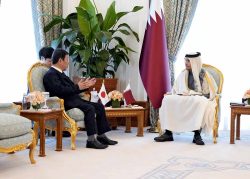
Japan, Qatar Ministers Agree on Need for Stable Energy Supplies; ...
-

Japan, Italy to Boost LNG Cooperation; Aimed at Diversifying Japa...
Top Articles in Politics
-
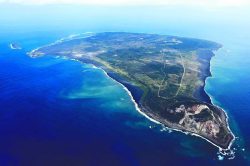
Japan Seeks to Enhance Defense Capabilities in Pacific as 3 National Security Documents to Be Revised
-
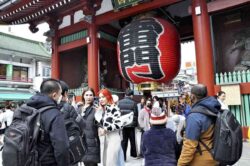
Japan Tourism Agency Calls for Strengthening Measures Against Overtourism
-
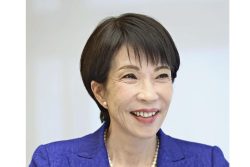
Japan’s Prime Minister: 2-Year Tax Cut on Food Possible Without Issuing Bonds
-
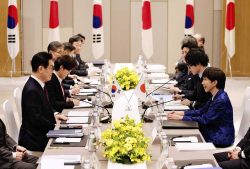
Japan-South Korea Leaders Meeting Focuses on Rare Earth Supply Chains, Cooperation Toward Regional Stability
-

Japanese Government Plans New License System Specific to VTOL Drones; Hopes to Encourage Proliferation through Relaxed Operating Requirements
JN ACCESS RANKING
-
Univ. in Japan, Tokyo-Based Startup to Develop Satellite for Disaster Prevention Measures, Bears
-
JAL, ANA Cancel Flights During 3-day Holiday Weekend due to Blizzard
-
China Confirmed to Be Operating Drilling Vessel Near Japan-China Median Line
-
China Eyes Rare Earth Foothold in Malaysia to Maintain Dominance, Counter Japan, U.S.
-
Japan Institute to Use Domestic Commercial Optical Lattice Clock to Set Japan Standard Time