
Japan, U.S. to Sign Memorandum on AI, Other Science, Tech Fields During Trump’s Visit to Tokyo
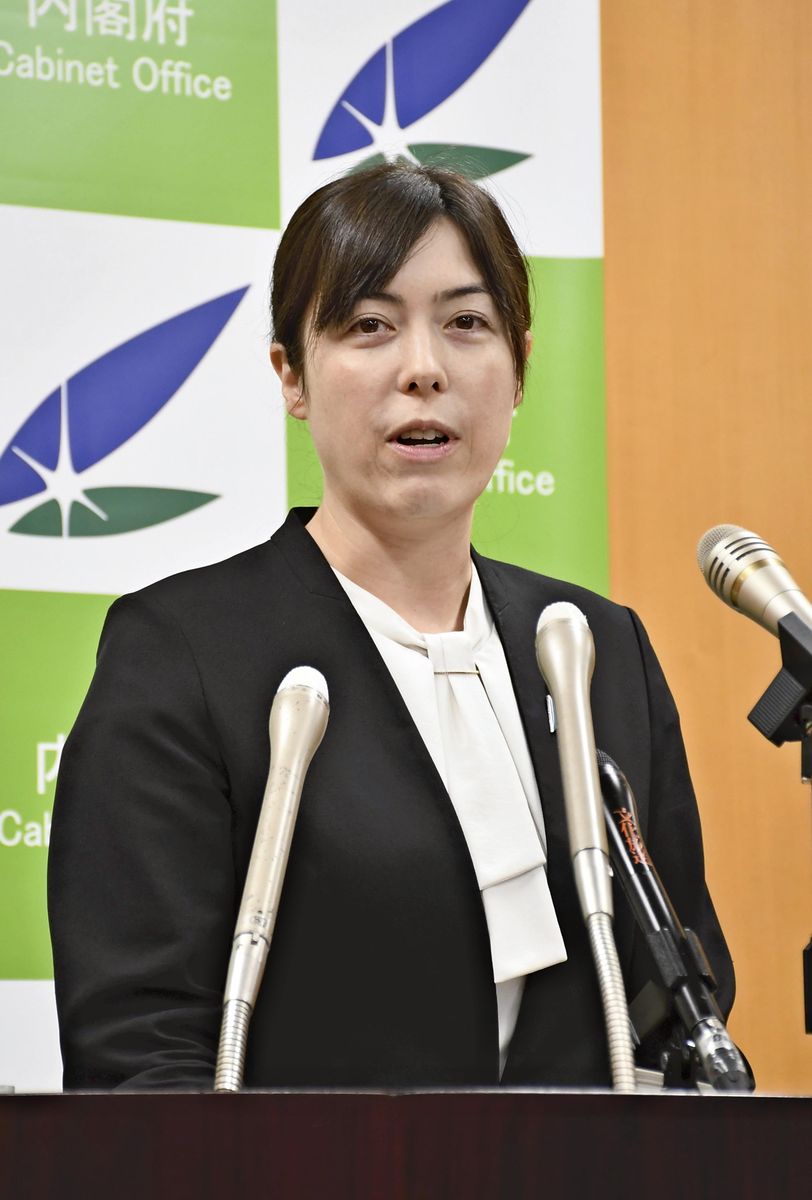
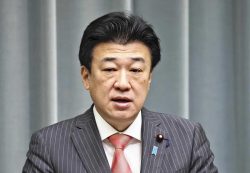
Kimi Onoda, minister for science and technology policy, speaks to reporters at the Cabinet Office in Tokyo on Friday.
16:16 JST, October 25, 2025
The Japanese and U.S. governments have started making arrangements to sign a ministerial-level memorandum of cooperation in seven fields of science and technology during U.S. President Donald Trump’s visit to Japan, government sources said.
Amid intensifying competition between the United States and China for technological supremacy, the aim of signing the memorandum is to enhance Japan-U.S. strategic cooperation on cutting-edge technologies in order to strengthen their dominance over China.
Prime Minister Sanae Takaichi and Trump, who is set to arrive on Monday, are scheduled to hold their summit talks on Tuesday, and the memorandum is expected to be signed in Tokyo on the day. It will be signed by economic security minister Kimi Onoda, who also serves as minister for science and technology policy, and Michael Kratsios, director of the White House Office of Science and Technology Policy.
According to the draft memorandum, promoting cooperation will “usher in the next golden age of innovation to fortify freedom and prosperity for generations to come.” It emphasizes the importance of deepening ties in science and technology with strategic partners across the Indo-Pacific to ensure stability in the region.
The fields to be covered in the memorandum are artificial intelligence adoption and innovation, research security, high-speed communication standards beyond 5G and 6G, pharmaceuticals and biotechnology, quantum technology, nuclear fusion, and space.
Among these, Japan and the United States place particular emphasis on AI, a field in which China is heavily investing in order to advance technological innovation and is also advancing its military applications.
In the memorandum, Japan and the United States cited a policy to accelerate applications in industry and society, led by AI-related research institutions in both countries, such as the Riken research institute and the U.S. National Science Foundation. Cooperation on cutting-edge semiconductors, essential for AI, will be also included in the memorandum.
The memorandum seeks to expand the interoperability of Japanese and American AI technologies and promote cooperation in exporting such items as AI infrastructure and hardware with China in mind, as the country spreads its AI technology to emerging nations.
Through these efforts, the Japan-U.S. alliance aims to take the dominant position in AI proliferation.


Related Tags

Most Read
Popular articles in the past 24 hours
-

Japan's Snow-Clad Beauty: Camellia Flowers Seen in Winter Bloom a...
-
Monkey Strikes Junior High School Girl from Behind in Japan's Yam...
-

Foreign and Security Policy: Political Parties Must Discuss How T...
-
Senior Japanese Citizens Return to University to Gain Knowledge, ...
-

Genichiro Inokuma's Mural in Ueno Station That Gave Hope in Postw...
-

Heavy Snow Linked to 30 Deaths across Japan since Late Jan.; JMA ...
-
Tokyo Police Arrest Head of Resignation Assistance Firm
-

Japan’s Nikkei Stock Average Jumps near 4%, Closes at Record High...
Popular articles in the past week
-

Japan Institute to Use Domestic Commercial Optical Lattice Clock ...
-
Australian Woman Dies After Mishap on Ski Lift in Nagano Prefectu...
-
Foreign Snowboarder in Serious Condition After Hanging in Midair ...
-
Chinese Embassy in Japan Reiterates Call for Chinese People to Re...
-
Narita Airport, Startup in Japan Demonstrate Machine to Compress ...
-
Toyota Motor Group Firm to Sell Clean Energy Greenhouses for Stra...
-

Sakie Yokota, Last Surviving Parent of a North Korea Abductee, Ur...
-

Beer Yeast Helps Save Labor, Water Use in Growing Rice; Govt Hope...
Popular articles in the past month
-
Univ. in Japan, Tokyo-Based Startup to Develop Satellite for Disa...
-

JAL, ANA Cancel Flights During 3-day Holiday Weekend due to Blizz...
-
China Confirmed to Be Operating Drilling Vessel Near Japan-China ...
-

China Eyes Rare Earth Foothold in Malaysia to Maintain Dominance,...
-
Japan Institute to Use Domestic Commercial Optical Lattice Clock ...
-
M6.2 Earthquake Hits Japan's Tottori, Shimane Prefectures; No Tsu...
-
Japan, Qatar Ministers Agree on Need for Stable Energy Supplies; ...
-

Japan, Italy to Boost LNG Cooperation; Aimed at Diversifying Japa...
Top Articles in Politics
-

Japan Seeks to Enhance Defense Capabilities in Pacific as 3 National Security Documents to Be Revised
-
Japan Tourism Agency Calls for Strengthening Measures Against Overtourism
-

Japan’s Prime Minister: 2-Year Tax Cut on Food Possible Without Issuing Bonds
-
Japan-South Korea Leaders Meeting Focuses on Rare Earth Supply Chains, Cooperation Toward Regional Stability
-
Japanese Government Plans New License System Specific to VTOL Drones; Hopes to Encourage Proliferation through Relaxed Operating Requirements
JN ACCESS RANKING
-
Univ. in Japan, Tokyo-Based Startup to Develop Satellite for Disaster Prevention Measures, Bears
-
JAL, ANA Cancel Flights During 3-day Holiday Weekend due to Blizzard
-
China Confirmed to Be Operating Drilling Vessel Near Japan-China Median Line
-
China Eyes Rare Earth Foothold in Malaysia to Maintain Dominance, Counter Japan, U.S.
-
Japan Institute to Use Domestic Commercial Optical Lattice Clock to Set Japan Standard Time