
Japan to Establish System for Sharing EV Battery Degradation Data, in Collaboration with Firms Including Toyota, Honda
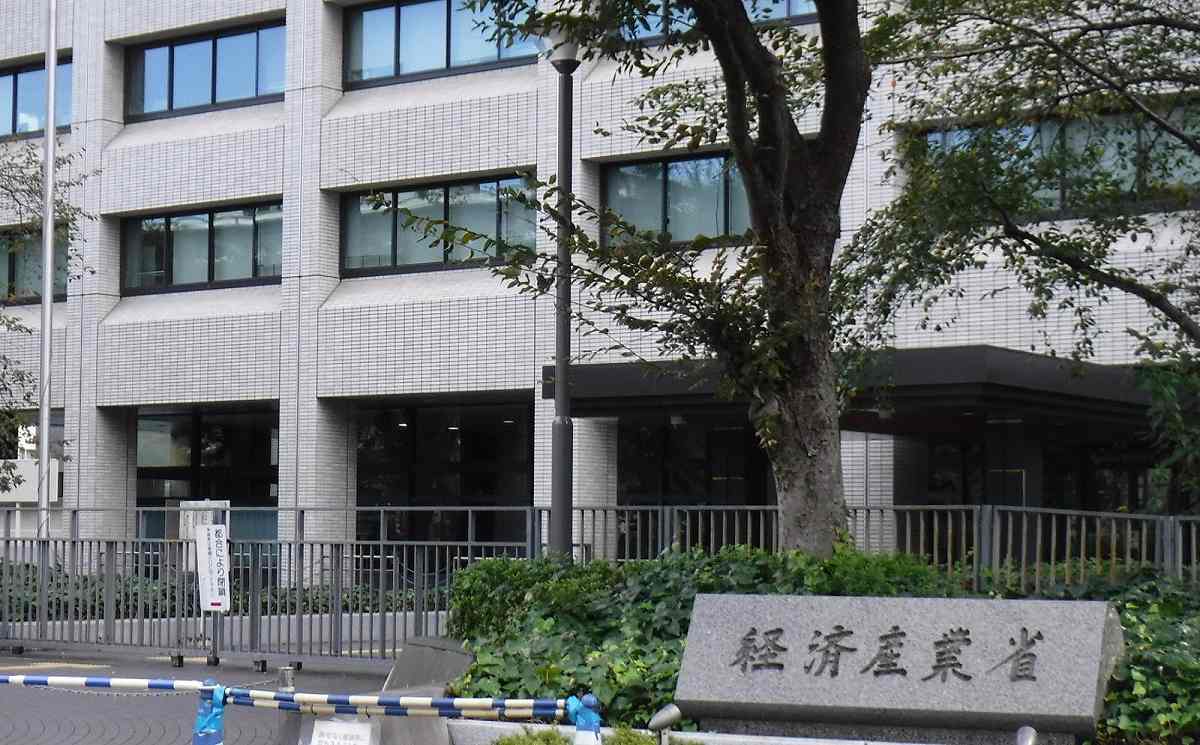
The Economy, Trade and Industry Ministry building in Chiyoda Ward, Tokyo
16:00 JST, September 10, 2025
The Japanese government will collaborate with domestic companies including Toyota Motor Corp. and Honda Motor Co. to establish a system for sharing data such as on the degradation status of EV batteries, it has been learned.
The initiative is aimed at promoting the more widespread use of used EVs and used batteries, thereby revitalizing the related markets. Batteries contain many critical minerals, including rare metals, so the government also aims to enhance economic security by curbing the outflow of used products overseas.
The Economy, Trade and Industry Ministry will support demonstration projects conducted mainly by battery maker Prime Planet Energy & Solutions Inc., a joint venture between Toyota and Panasonic Holdings Corp., and Revortex, which is under the umbrella of Sompo Holdings Inc. The ministry will then establish a system enabling cross-industry sharing of EV battery degradation status information held by Toyota, Honda and others within the current fiscal year.
The degradation status of an EV battery cannot be determined without knowing such things as its past usage and number of charge cycles. Since third parties cannot accurately assess the degradation status, resale prices of EVs tend to be low, leading to the current situation where approximately 80% of used EVs are transported overseas. Services like EV leasing and EV-specific insurance are also not expanding.
Toyota and Honda track the degradation status of each battery in their EVs. Making such information accessible to used car dealers, insurance companies and others could lead to the expansion of related markets.
Last fiscal year, the ministry supported a project in which used EVs are sold with guarantees on their future performance. It confirmed that used EVs with such guarantees sold for 20% higher than other used EVs, with 60% of them purchased domestically.






Most Read
Most read in the last 24 hours
-
Promote Support, Respect to Help Prevent Harassment of Athletes
-
Japan Should Serve as Bridge between Nuclear, Non-nuclear States,...
-

Yamato Museum Reopens in Hiroshima Pref. Following Extensive Reno...
-
Japanese Govt to Set Up Panel on Widening Access to Sports Broadc...
-

Toyota Unveils New Development Hub in Woven City Repurposed from ...
-

Elegant Weeping Cherry Blossoms on Display at Water Purification ...
-

New Budget Framework for Investments: Work to Achieve Both Growth...
-

Man Admits to Abandoning Wife's Body in Zoo Incinerator in Hokkai...
Most read in the last 7 days
-
Earthquake Hits Japan's Tohoku Region; 3-meter Tsunami Warning Is...
-

Trump Extends the Ceasefire with Iran but Keeps the Blockade
-

China, South Korea Object to Japanese PM Takaichi's Ritual Offeri...
-

India's Arms Indigenization Quest for Self-Reliance / New Delhi S...
-
Japan to Ban Use of Portable Chargers on Airplanes from April 24,...
-

¥1,000 Coins to Be Issued to Mark Anniversary of Beginning of Jap...
-

Most Serious Cyberattacks against the UK Now from Russia, Iran an...
-

Trump Opposes United–American Merger, Signals Support for Spirit
Most read in the last 30 days
-
Earthquake Hits Japan's Tohoku Region; 3-meter Tsunami Warning Is...
-

Police Find Child's Shoe During Search for Missing Boy in Nantan,...
-

Body Found in Nantan, Kyoto Prefecture, During Search for 11-Year...
-

Cherry Blossoms, Rapeseed Flowers Perform Colorful ‘Duet’ in Niig...
-
Trump Extends the Ceasefire with Iran but Keeps the Blockade
-
China, South Korea Object to Japanese PM Takaichi's Ritual Offeri...
-

Olympic Gold Medal-Winning Figure Skaters Riku-Ryu Announce Retir...
-
Japanese Prime Minister Takaichi Speaks to Pakistani Prime Minist...
Top Articles in Business
-
Foreign Tourists Set New Record in March; 30% Drop in Visitors from Middle East
-

Japan’s ANA to Introduce Fuel Surcharges to Domestic Flights from Fy27, Driven by Rising Fuel Costs, Declining Profits
-
Middle Powers Should Create Alternative to WTO, Says Research Group
-
Toyota Motor to Begin Full-Scale Hydrogen Production in May; Mass Production and Sales of Equipment Planned to Start in 2029
-

Airborne Cellular Stations to Be Tested in Ishikawa, Miyagi; Aim to Ensure Communication During Disasters
JN ACCESS RANKING
-
Earthquake Hits Japan’s Tohoku Region; 3-meter Tsunami Warning Issued (Update 1)
-
Police Find Child’s Shoe During Search for Missing Boy in Nantan, Kyoto Prefecture
-
Body Found in Nantan, Kyoto Prefecture, During Search for 11-Year-Old Boy in Area (Update 1)
-
Cherry Blossoms, Rapeseed Flowers Perform Colorful ‘Duet’ in Niigata
-
Trump Extends the Ceasefire with Iran but Keeps the Blockade
Most read in the last 24 hours
-
Promote Support, Respect to Help Prevent Harassment of Athletes
-
Japan Should Serve as Bridge between Nuclear, Non-nuclear States,...
-
Yamato Museum Reopens in Hiroshima Pref. Following Extensive Reno...
-
Japanese Govt to Set Up Panel on Widening Access to Sports Broadc...
-
Toyota Unveils New Development Hub in Woven City Repurposed from ...
Most read in the last 7 days
-
Earthquake Hits Japan's Tohoku Region; 3-meter Tsunami Warning Is...
-
Trump Extends the Ceasefire with Iran but Keeps the Blockade
-
China, South Korea Object to Japanese PM Takaichi's Ritual Offeri...
-
India's Arms Indigenization Quest for Self-Reliance / New Delhi S...
-
Japan to Ban Use of Portable Chargers on Airplanes from April 24,...
Most read in the last 30 days
-
Earthquake Hits Japan's Tohoku Region; 3-meter Tsunami Warning Is...
-
Police Find Child's Shoe During Search for Missing Boy in Nantan,...
-
Body Found in Nantan, Kyoto Prefecture, During Search for 11-Year...
-
Cherry Blossoms, Rapeseed Flowers Perform Colorful ‘Duet’ in Niig...
-
Trump Extends the Ceasefire with Iran but Keeps the Blockade