
14:00 JST, August 30, 2025
The cooperative relationship between Japan and India can be said to have entered a new phase. It is crucial to steadily implement the comprehensive agreements reached between the leaders of the two countries.
Indian Prime Minister Narendra Modi is visiting Japan and held talks with Prime Minister Shigeru Ishiba on Friday for about 90 minutes. After the meeting, the two leaders issued a joint statement saying, “It is imperative to develop a mutually complementary relationship.”
India boasts the world’s largest population at over 1.4 billion people and is expected to grow further. Japan, facing a declining population, aims to provide its strengths in technology and capital to India to benefit from that growth.
The significance of complementary cooperation between Japan and India, both economic powers, is substantial. India, which is expected to surpass Japan in GDP this year, remains an important partner for Japan in terms of ensuring peace and stability in Asia.
Among the various documents exchanged by the two countries this time, the most notable is the “joint vision,” which outlines the direction of Japan-India cooperation for the next decade.
In the vision, Japan has set a goal of making private-sector investments totaling ¥10 trillion in India over the next 10 years. Recognizing that India has been developing many IT engineers in recent years, the document also includes a policy to bring digital technology professionals and other talents, totaling 50,000 people, to Japan in five years.
Additionally, Japan and India will cooperate in such fields as semiconductor development, ensuring supply chains and artificial intelligence development. Modi plans to visit a plant producing semiconductor manufacturing equipment in Miyagi Prefecture with Ishiba today [Aug. 30].
On the security front, the two nations’ 2008 joint declaration was revised to newly include collaboration in such fields as the cyber and space domains, along with exploring joint development of defense equipment.
India, which has traditionally maintained a nonaligned policy and pursued omnidirectional diplomacy, decided this time to deepen its cooperation with Japan even into the security field. This move is likely influenced by the deterioration of U.S.-India relations.
The administration of U.S. President Donald Trump doubled tariffs on imports from India to 50%, citing India’s purchase of Russian crude oil. Modi likely judged that strengthening ties with Japan is crucial to mitigating the impact of U.S. tariffs on his country’s economy.
Following his visit to Japan, Modi is scheduled to visit China for the first time in seven years to attend the Shanghai Cooperation Organization summit. This move appears to reflect his aim to improve relations with China, which have cooled due to their border disputes.
Should U.S.-India tensions escalate, it would only benefit China and Russia. Japan’s role as a bridge in U.S.-India relations and other areas is growing increasingly important.
(From The Yomiuri Shimbun, Aug. 30, 2025)


Most Read
Popular articles in the past 24 hours
-

Voters Using AI to Choose Candidates in Japan's Upcoming General ...
-

Japan's Snow-Clad Beauty: Camellia Flowers Seen in Winter Bloom a...
-
Monkey Strikes Junior High School Girl from Behind in Japan's Yam...
-
Genichiro Inokuma's Mural in Ueno Station That Gave Hope in Postw...
-
Senior Japanese Citizens Return to University to Gain Knowledge, ...
-

Foreign and Security Policy: Political Parties Must Discuss How T...
-
Heavy Snow Linked to 30 Deaths across Japan since Late Jan.; JMA ...
-
Tokyo Police Arrest Head of Resignation Assistance Firm
Popular articles in the past week
-

Japan Institute to Use Domestic Commercial Optical Lattice Clock ...
-
Australian Woman Dies After Mishap on Ski Lift in Nagano Prefectu...
-
Foreign Snowboarder in Serious Condition After Hanging in Midair ...
-
Chinese Embassy in Japan Reiterates Call for Chinese People to Re...
-
Narita Airport, Startup in Japan Demonstrate Machine to Compress ...
-
Toyota Motor Group Firm to Sell Clean Energy Greenhouses for Stra...
-
Sakie Yokota, Last Surviving Parent of a North Korea Abductee, Ur...
-
Beer Yeast Helps Save Labor, Water Use in Growing Rice; Govt Hope...
Popular articles in the past month
-
Univ. in Japan, Tokyo-Based Startup to Develop Satellite for Disa...
-
JAL, ANA Cancel Flights During 3-day Holiday Weekend due to Blizz...
-
China Confirmed to Be Operating Drilling Vessel Near Japan-China ...
-
China Eyes Rare Earth Foothold in Malaysia to Maintain Dominance,...
-
M6.2 Earthquake Hits Japan's Tottori, Shimane Prefectures; No Tsu...
-
Japan Institute to Use Domestic Commercial Optical Lattice Clock ...
-
Japan, Qatar Ministers Agree on Need for Stable Energy Supplies; ...
-
Japan, Italy to Boost LNG Cooperation; Aimed at Diversifying Japa...
Top Articles in Editorial & Columns
-
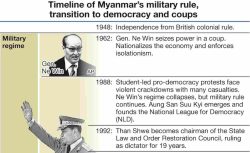
Myanmar Will Continue Under Military Rule Even After Election, Ex-Ambassador Maruyama Says in Exclusive Interview
-
40 Million Foreign Visitors to Japan: Urgent Measures Should Be Implemented to Tackle Overtourism
-

Expansion of New NISA: Devise Ways to Build up Household Assets
-
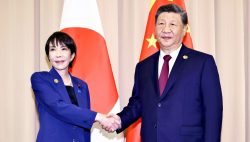
China Criticizes Sanae Takaichi, but China Itself Is to Blame for Worsening Relations with Japan
-
Withdrawal from International Organizations: U.S. Makes High-handed Move that Undermines Multilateral Cooperation
JN ACCESS RANKING
-
Univ. in Japan, Tokyo-Based Startup to Develop Satellite for Disaster Prevention Measures, Bears
-
JAL, ANA Cancel Flights During 3-day Holiday Weekend due to Blizzard
-
China Confirmed to Be Operating Drilling Vessel Near Japan-China Median Line
-
China Eyes Rare Earth Foothold in Malaysia to Maintain Dominance, Counter Japan, U.S.
-
Japan Institute to Use Domestic Commercial Optical Lattice Clock to Set Japan Standard Time