
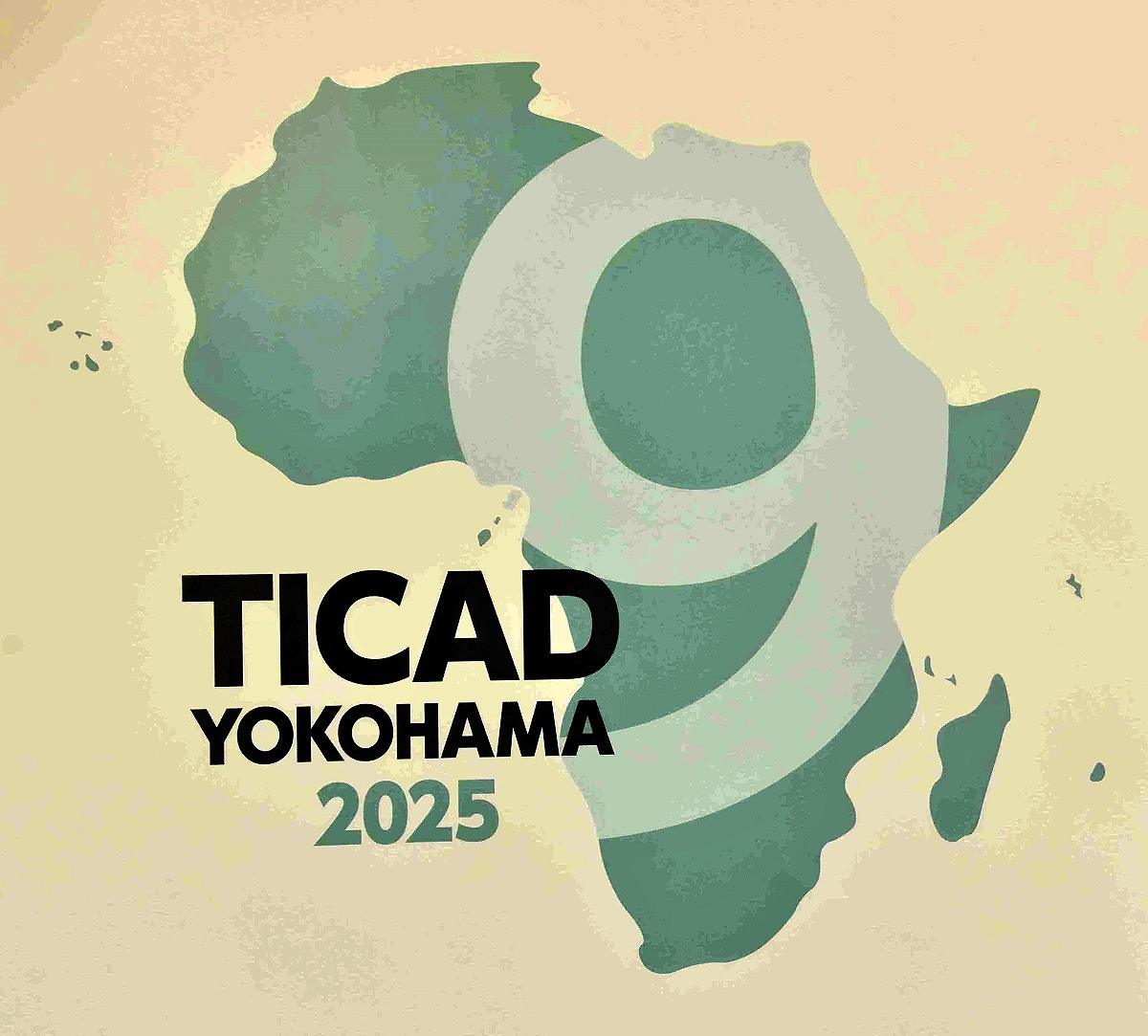
AFRICAN DEVELOPMENT SPECIAL / TICAD 9 to Focus on Cooperative Industrial, Economic Development of Africa
16:45 JST, August 20, 2025
The inaugural summit of the Tokyo International Conference on African Development (TICAD) was arranged by Japan and took place in Tokyo in 1993. Gatherings since then have been co-organized by the United Nations, the World Bank and the African Union Commission.
The first five conferences were held at five-year intervals, but that was shortened to three years after 2013. Since then, TICAD has also alternated between being held at Japanese and African venues.
Based on the key idea of cocreation with African nations, issues facing Africa such as industrial development, health care and disaster prevention were expected to be discussed at the TICAD 9 through Friday.
The Japanese government is considering announcing an initiative to support economic growth by leveraging Japan’s advanced AI and digital technologies. It also plans to announce the Indian Ocean and Africa economic zone initiative that will help develop a logistics network covering Africa and the Indian Ocean as a single economic zone.
Participants also were expected to exchange views on measures for dealing with potential “debt traps,” in which African nations’ debt levels could balloon due to massive loans extended by China, and on the impact on the African economy of the tariff measures of the administration of U.S. President Donald Trump.
Africa is rich in natural resources such as crude oil, copper and rare metals, and the economy is projected to grow due to its increasing population.
Japan recognizes 54 African countries as sovereign states, making them important partners in forming major blocs at international forums, including the United Nations.
During the Cold War era, the United States and Russia sought to draw African countries into their respective camps. Since the end of that period, the TICAD has played a leading role in the development of Africa.
In its early stages, TICAD provided nations with assistance in the form of grant aid in areas such as education and health. However, it later began to put more emphasis on investment, including with private funds, as a way to supplement the limited public money available for assistance from the Japanese government and to link African economic growth to the revitalization of Japanese companies.


Related Tags




Most Read
Popular articles in the past 24 hours
-

Japan Figure Skating Legend Yuzuru Hanyu Is Proud Disaster Surviv...
-
Massive Sewer Pipe Found Jutting Out of Highway in Osaka
-

Japan-U.S. Summit Likely to Focus on Middle East; Takaichi to Fac...
-
Hawaii Museum on Tsunami Including Japan's 2011 Disaster at Risk ...
-

15 Years since Great East Japan Earthquake: How Can Affected Area...
-
Japan Holds Memorial Events to Mark 15th Anniversary of 2011 Eart...
-

Japan Train Company to Increase Fares, Including in Tokyo Metropo...
-

Parents in Japan to Get Instagram Notifications When Teens Repeat...
Popular articles in the past week
-

Ibaraki Pref.'s 1st Foreign Bus Driver Hired in Tsukuba
-

Nippon Life Insurance's U.S. Arm Sues OpenAI Over Legal Assistanc...
-
Japan Figure Skating Legend Yuzuru Hanyu Is Proud Disaster Surviv...
-
Govt to Utilize ODA for Ensuring Economic Security; Securing Ener...
-
Massive Sewer Pipe Found Jutting Out of Highway in Osaka
-

Amid Strait of Hormuz Blockade, Shipping Companies Scramble to Ge...
-

Beckoning Cats Get Makeover to Fit Modern Lifestyles with Sleek D...
-
Japan Govt Survey Finds Just 10% of Workers Want Working Hours to...
Popular articles in the past month
-

Producer Behind Pop Group XG Arrested for Cocaine Possession
-

Japan PM Takaichi’s Cabinet Resigns en Masse
-

Man Infected with Measles Reportedly Dined at Restaurant in Tokyo...
-

Videos Plagiarized, Reposted with False Subtitles Claiming ‘Ryuky...
-

iPS Treatments Pass Key Milestone, but Broader Applications Far f...
-

Sanae Takaichi Elected Prime Minister of Japan; Keeps All Cabinet...
-

Nepal Bus Crash Kills 19 People, Injures 25 Including One Japanes...
-

South Korea Tightens Rules on Foreigners Buying Homes in Seoul Me...
Top Articles in World
-
Videos Plagiarized, Reposted with False Subtitles Claiming ‘Ryukyu Belongs to China’; Anti-China False Information Also Posted in Japan
-
Nepal Bus Crash Kills 19 People, Injures 25 Including One Japanese National
-
South Korea Tightens Rules on Foreigners Buying Homes in Seoul Metro Area
-
Govt to Utilize ODA for Ensuring Economic Security; Securing Energy, Critical Minerals Sought
-

Ukrainian Ambassador Closely Watching Japan’s Revision of Defense Export Rules, Hopes for Future Arms Support
JN ACCESS RANKING
-
Producer Behind Pop Group XG Arrested for Cocaine Possession
-
Japan PM Takaichi’s Cabinet Resigns en Masse
-
Man Infected with Measles Reportedly Dined at Restaurant in Tokyo Station
-
Videos Plagiarized, Reposted with False Subtitles Claiming ‘Ryukyu Belongs to China’; Anti-China False Information Also Posted in Japan
-
iPS Treatments Pass Key Milestone, but Broader Applications Far from Guaranteed