
News in Pictures / Earthquake-hit Noto Prepares for Rainy Season, Hot Summer; Local Govts Try to Patch Leaky Homes, Keep Food Cool
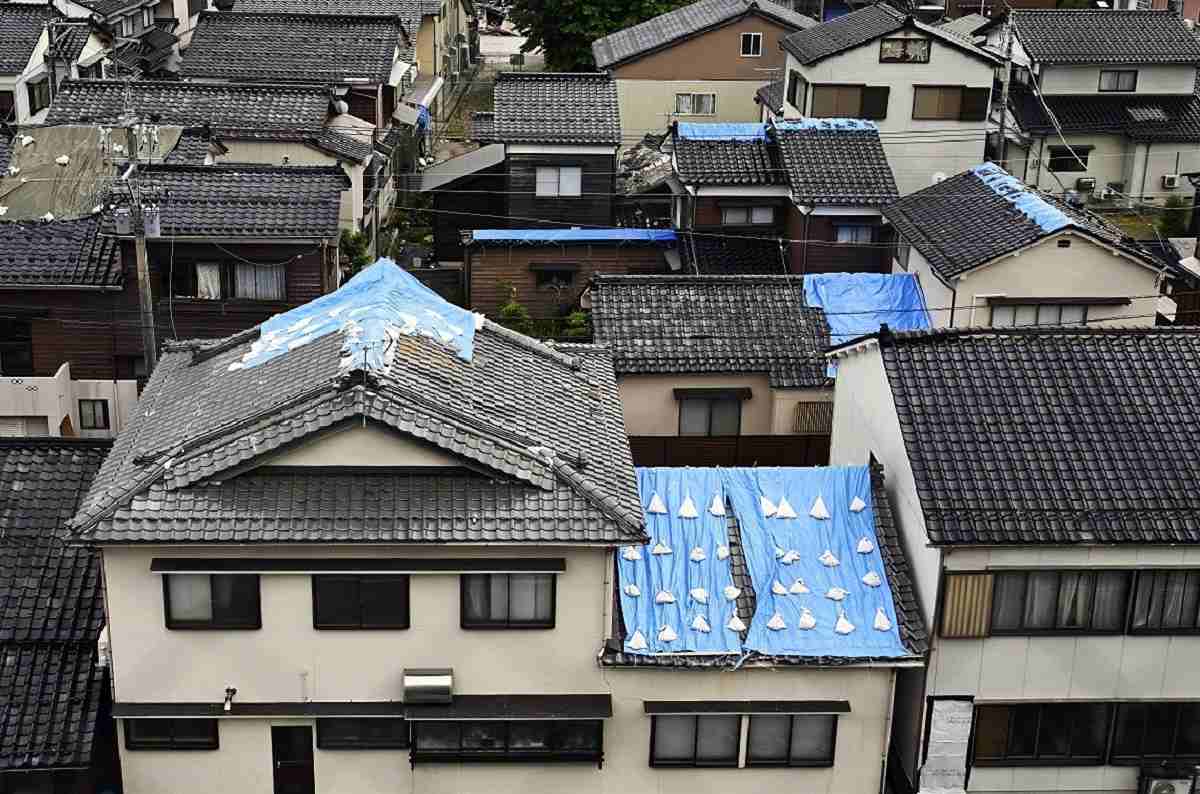
Blue tarps are seen on the roofs of many houses in Wajima, Ishikawa Prefecture, on Thursday.
12:09 JST, June 4, 2024
Saturday marked five months since the Noto Peninsula Earthquake struck Ishikawa Prefecture on New Year’s Day.
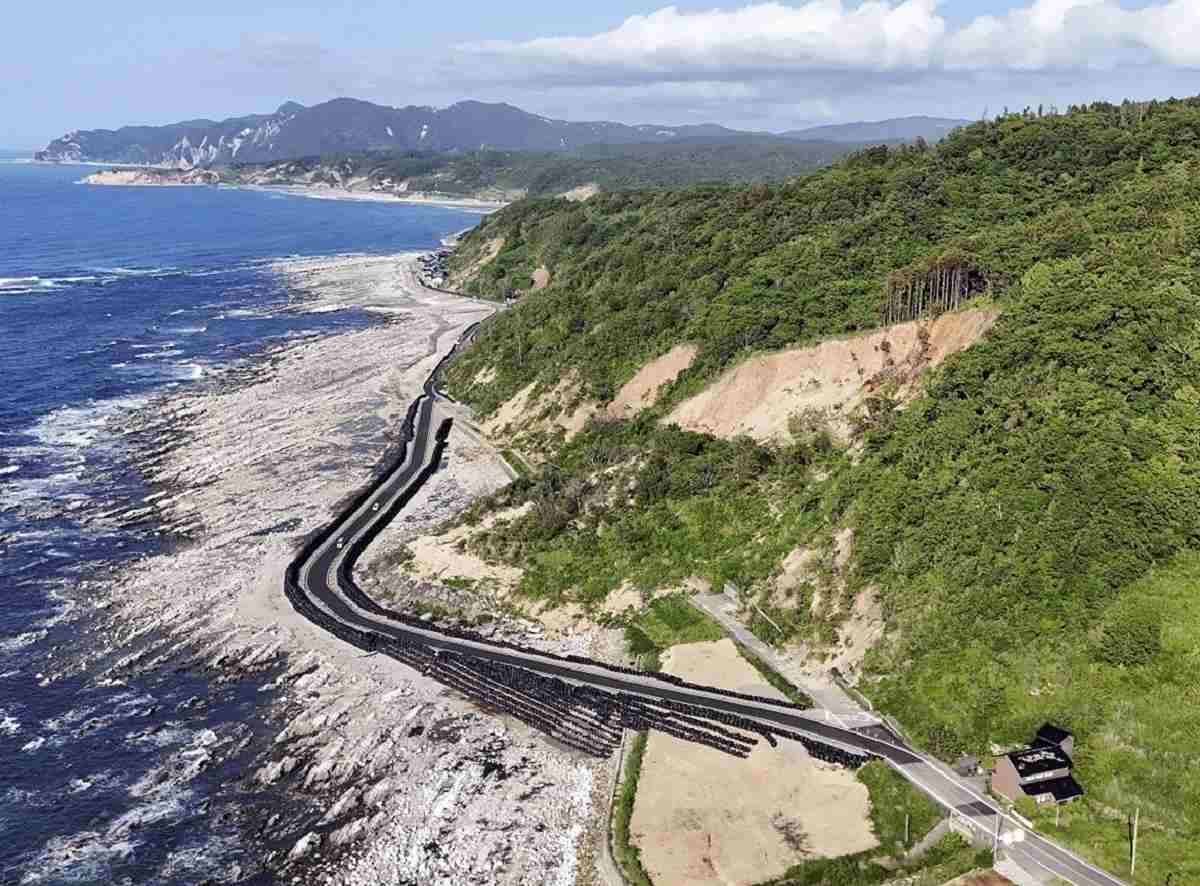
A section of National Highway Route 249 built on uplifted seafloor after a landslide caused by the earthquake blocked the road in Wajima, Ishikawa Prefecture
A sports event for elementary and junior high school students was held on the day in the prefecture’s city of Suzu, which was battered by the quake. Since schoolyards and community land are being converted to sites for temporary housing, the event was planned so children could play outdoors. Family members cheered as students ran in a relay or raced while pushing giant balls.

Children enjoy a sports event in Suzu, Ishikawa Prefecture, on Saturday.
In neighboring Wajima, about 300 paper lanterns were lit to form the number “1.1,” the date of the earthquake. Residents gathered around the lanterns, which were placed near temporary housing, and mourned the victims. The lanterns bore such messages as “Step by step, we will recover.”
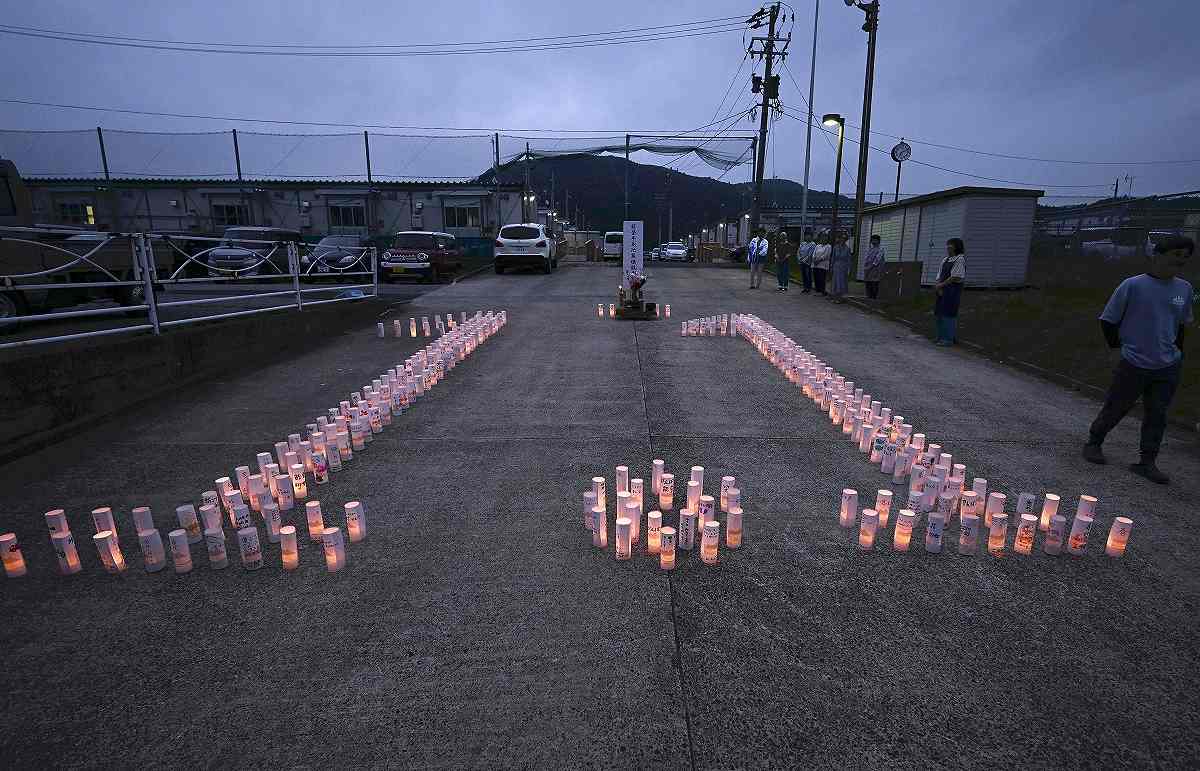
About 300 paper lanterns form the number “1.1” in Wajima, Ishikawa Prefecture, on Saturday.
In the prefecture, there are still piles of debris in many places. Residents living in damaged houses are concerned about the approaching rainy season, which usually starts in June, as heavy rainfall could cause more damage. The Wajima city government distributed about 2,000 blue tarps to residents in mid-May after there were complaints of leaky roofs.
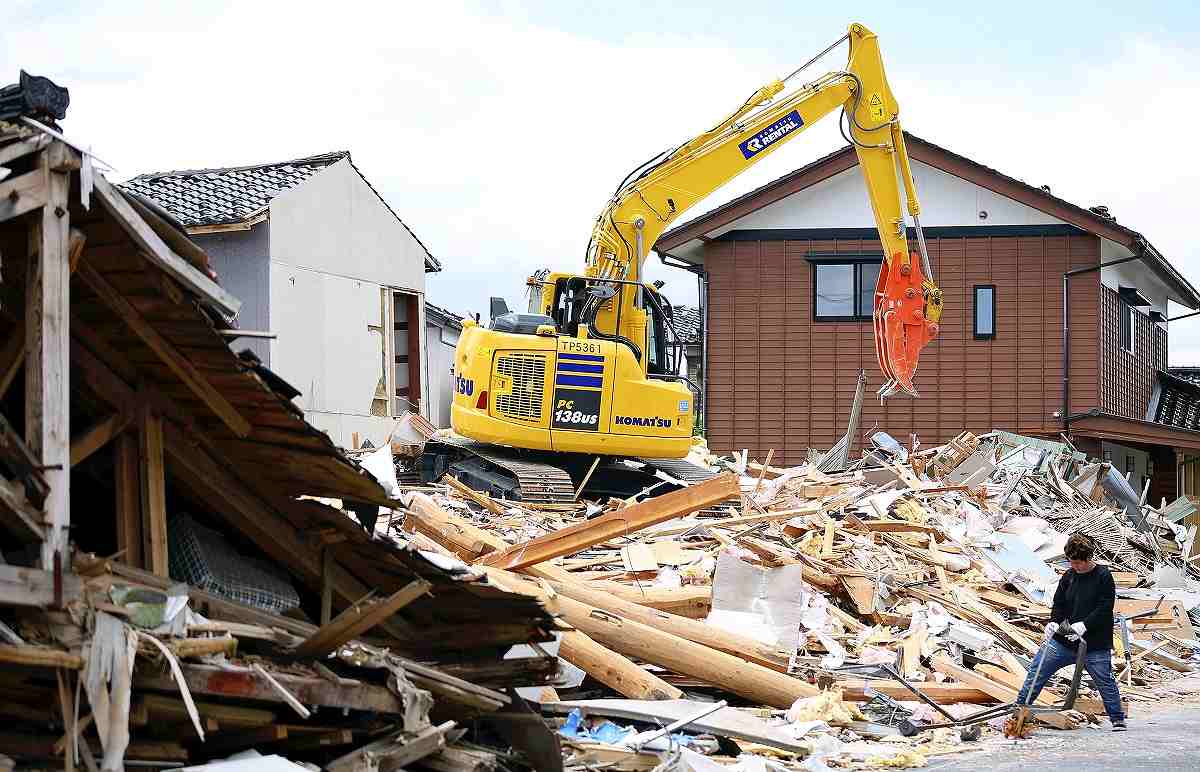
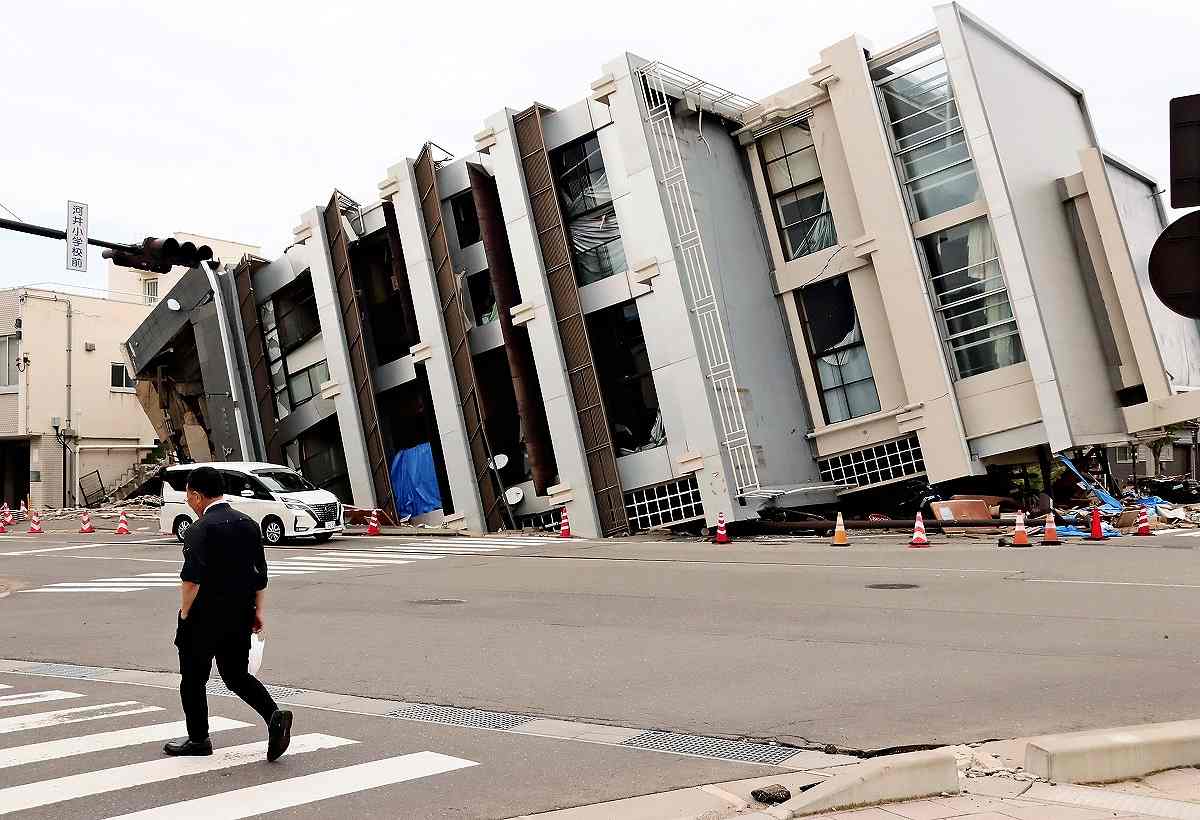
Top: A damaged house is demolished in Suzu, Ishikawa Prefecture, on Wednesday. Down: A building collapsed by the earthquake is seen in Wajima, Ishikawa Prefecture, on Friday.
Rising temperatures are also a concern, as food will spoil more quickly and there is a risk of heat stroke. The Suzu city government, in cooperation with local restaurants and other businesses, has been preparing about 450 boxed meals a day at a city facility and providing them to evacuation centers. The meals have been delivered with cooling packs since mid-May.
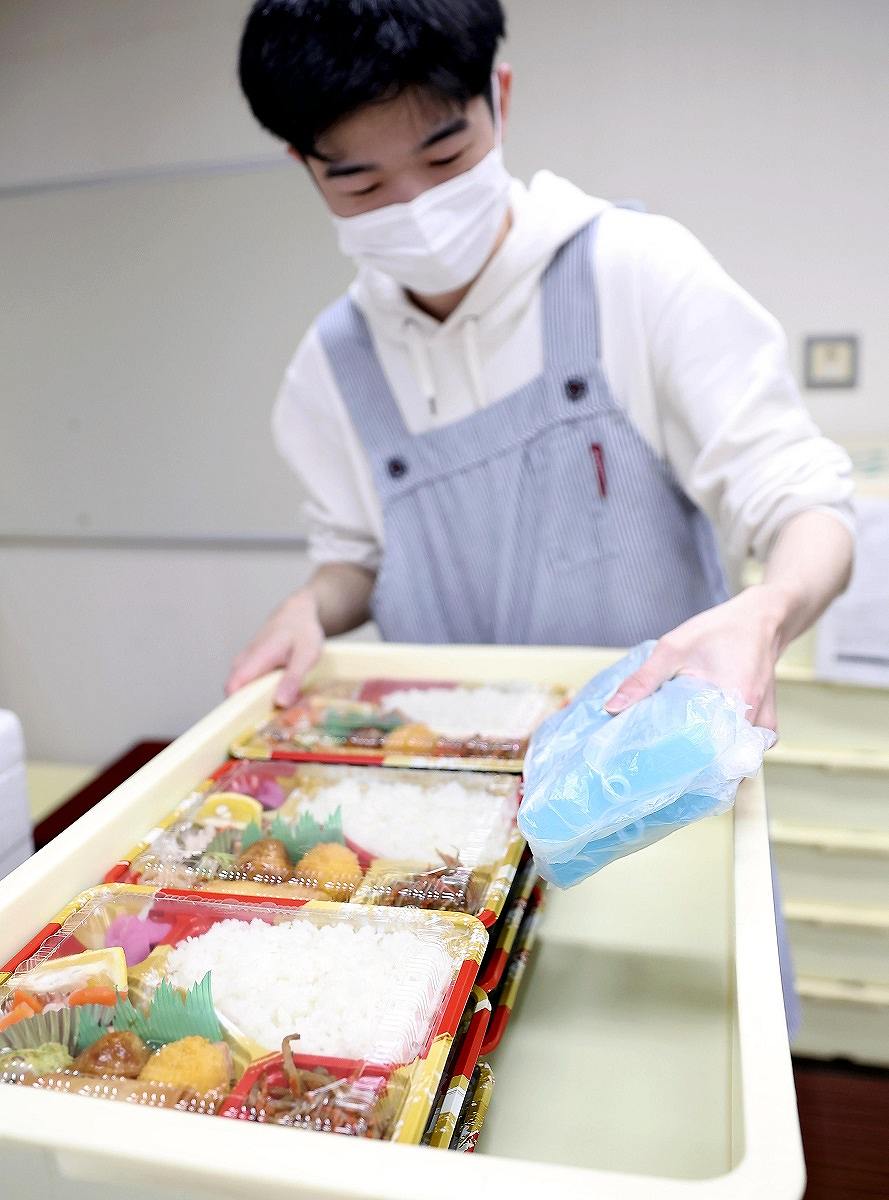
A worker puts cooling packs in a tray with boxed meals to be delivered to an evacuation center in Suzu, Ishikawa Prefecture, on Thursday.
The death toll from the quake has now reached 260, including 30 people who were certified as “disaster-related deaths,” meaning they died from illness or other conditions caused by stressful living conditions after the quake.
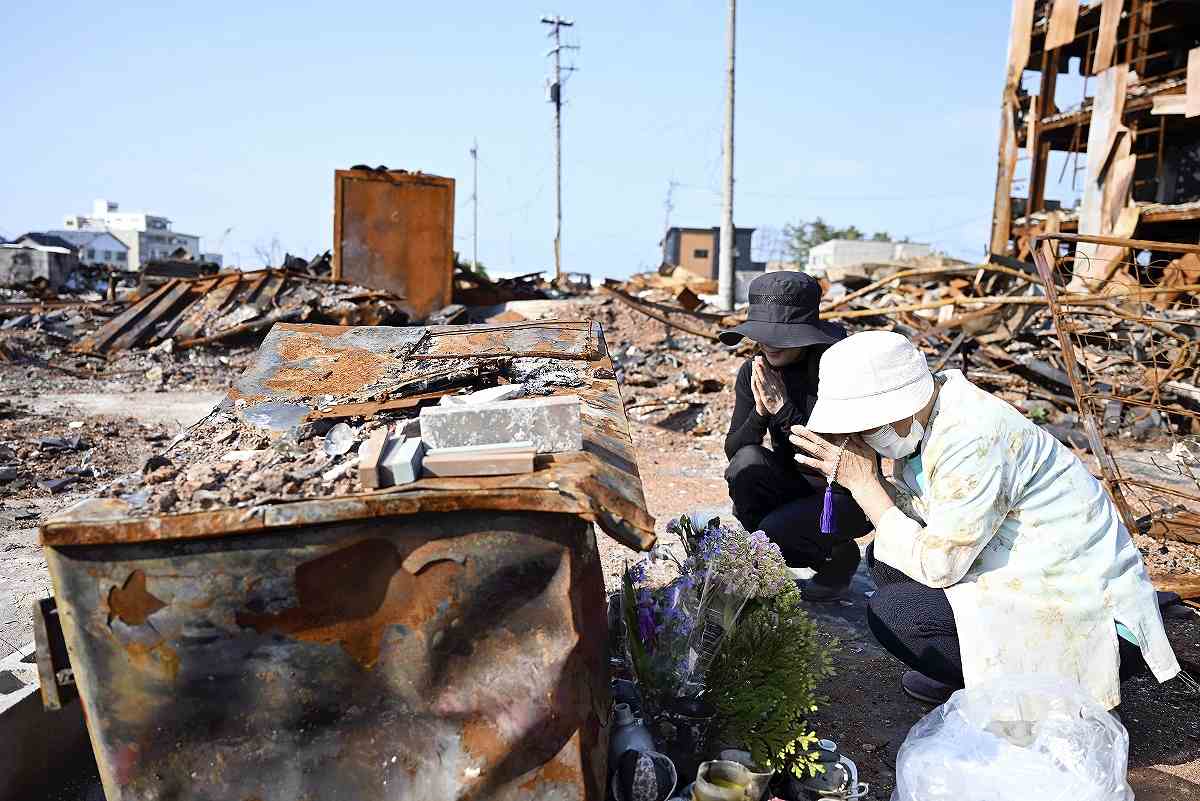
People pray for the victims of the earthquake in Wajima, Ishikawa Prefecture, on Saturday.






Most Read
Popular articles in the past 24 hours
-

Japanese Shipping Giants Halt Strait of Hormuz Transit as Iran Co...
-

U.S. Launches Attacks on Iran: Avoid Escalation of Conflict by An...
-

Sawtooth Roof Factory Stands as Monument to Ashikaga Textile Hist...
-
Parents of Japanese Teen Shot in U.S. Strive for Gun Control
-

Disinformation Spreads About Team Mirai, Ballot Readers; Online P...
-
Asahi Breweries to Stage Comeback with New Product in April; Comp...
-

Bank of Japan Deputy Governor Says Rate Hikes Likely to Continue
-
Japanese Government Bonds Rally, Yields Tumble as Iran Strikes Sp...
Popular articles in the past week
-

Nepal Bus Crash Kills 19 People, Injures 25 Including One Japanes...
-

Milano Cortina 2026: Japanese Gold Medalist Figure Skater Miura S...
-
Tokyo Spends Big on Children, Wins Over Parents
-

McDonald's Japan Raises Prices; Big Mac to Cost ¥500, Double Chee...
-

Japan’s Miura, Kihara Announce Withdrawal from Figure Skating Wor...
-

Exhibition Featuring Yoshiharu Tsuge’s Manga World Underway in Ch...
-

Yokohama to Test Out Renewable-Powered Offshore Floating Data Cen...
-

BOJ Keeping Eye on Economy and Takaichi's ‘Proactive Fiscal Polic...
Popular articles in the past month
-

Producer Behind Pop Group XG Arrested for Cocaine Possession
-

Japan PM Takaichi’s Cabinet Resigns en Masse
-

Man Infected with Measles Reportedly Dined at Restaurant in Tokyo...
-

Israeli Ambassador to Japan Speaks about Japan’s Role in the Reco...
-

Videos Plagiarized, Reposted with False Subtitles Claiming ‘Ryuky...
-

Man Infected with Measles May Have Come in Contact with Many Peop...
-

Prudential Life Insurance Plans to Fully Compensate for Damages C...
-

Woman with Measles Visited Hospital in Tokyo Multiple Times Befor...
Top Articles in Society
-
Producer Behind Pop Group XG Arrested for Cocaine Possession
-
Man Infected with Measles Reportedly Dined at Restaurant in Tokyo Station
-
Man Infected with Measles May Have Come in Contact with Many People in Tokyo, Went to Store, Restaurant Around When Symptoms Emerged
-
Woman with Measles Visited Hospital in Tokyo Multiple Times Before Being Diagnosed with Disease
-

Bus Carrying 40 Passengers Catches Fire on Chuo Expressway; All Evacuate Safely
JN ACCESS RANKING
-
Producer Behind Pop Group XG Arrested for Cocaine Possession
-
Japan PM Takaichi’s Cabinet Resigns en Masse
-
Man Infected with Measles Reportedly Dined at Restaurant in Tokyo Station
-
Israeli Ambassador to Japan Speaks about Japan’s Role in the Reconstruction of Gaza
-
Videos Plagiarized, Reposted with False Subtitles Claiming ‘Ryukyu Belongs to China’; Anti-China False Information Also Posted in Japan