
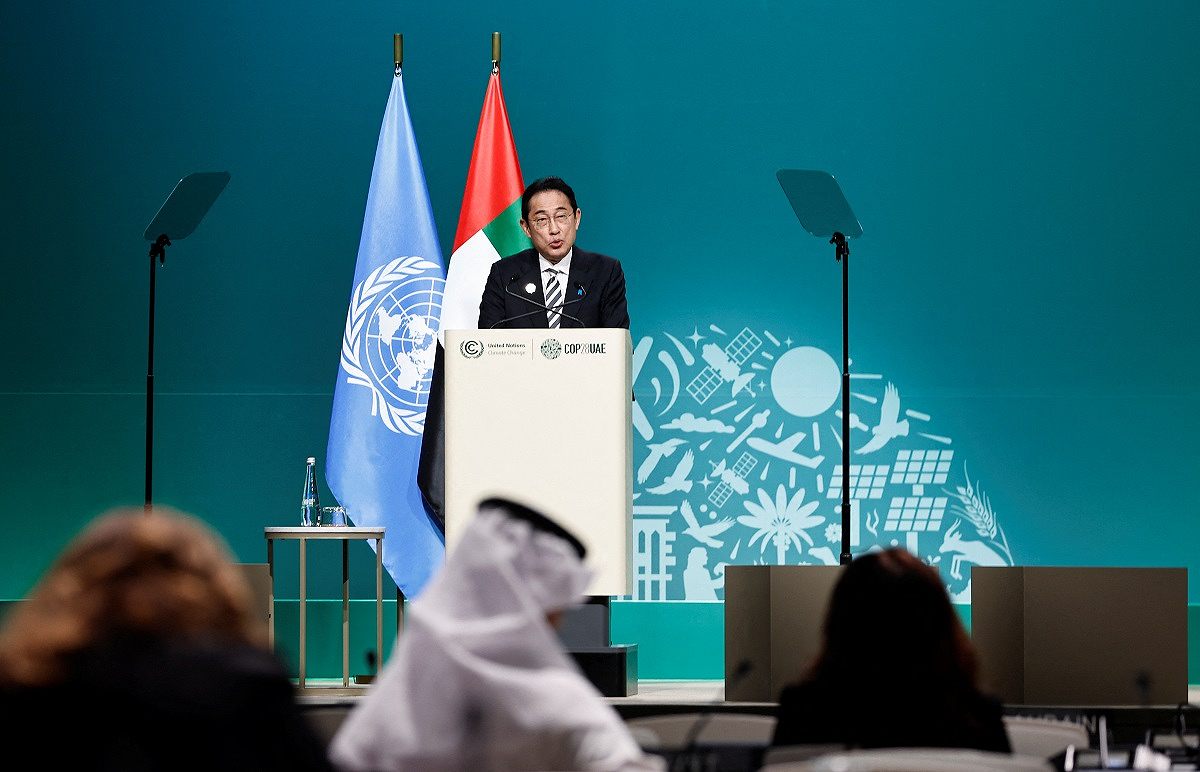
Prime Minister Fumio Kishida delivers a national statement at the World Climate Action Summit during the U.N. Climate Change Conference in Dubai on Friday.
11:03 JST, December 2, 2023
TOKYO (Reuters) — Japan will stop building new coal power plants that do not have emission reduction measures in place, Prime Minister Fumio Kishida told the COP28 climate summit in Dubai on Friday.
“In line with its pathway to net-zero, Japan will end new construction of domestic unabated coal power plants, while securing a stable energy supply,” Kishida said.
The pledge comes as energy-scarce Japan grapples with balancing its carbon emission reduction target of 46% by 2030 from 2013 levels with its increased reliance on fossil fuels after suspending many of its nuclear power plants following the Fukushima nuclear disaster.
The pledge is in line with the commitments of the Group of Seven developed nations — chaired by Japan this year — to put a stop to unabated coal-fired power generation projects as soon as possible.
Fossil fuels accounted for 71% of Japan’s electricity in 2022, and total emissions have increased by 19% in the past 20 years, according to a report from think tank Ember.
A Japanese Foreign Ministry official said the pledge will not apply to coal power plants that are currently under construction, as they are being build in line with pre-existing plans. Japan will also try to decrease its reliance on currently operational coal plants, he said, without elaborating further.
The official, who declined to be named, said Japan may build abated coal power plants should the technology emerge.
About 25% of Japan’s electricity was generated by nuclear power in 2010, a year before a giant earthquake and tsunami caused a triple-core meltdown at the Fukushima nuclear power plant and initially displaced some 470,000 people.
Japan has since taken many of its nuclear power plants offline amid public concerns over nuclear safety and has dialed up its reliance on fossil fuels, mainly from coal and natural gas. Japan now gets about 5% of its energy from nuclear power.
In 2022, Japan was more reliant on fossil fuels than the United States at 60% and China at 64%, though it was behind India, which relied on coal and gas to generate some 77% of its electricity, the Ember report said.
Japan’s top utility JERA wants to reduce emissions from its existing coal-fired power plants by adding ammonia to co-firing — a process it has begun at one of the plants in 2021 and which is to be expanded around next March.




Most Read
Popular articles in the past 24 hours
-

3,000 Accounts Posting, Spreading Content Critical of Japan on X;...
-

My Spendthrift Mother Constantly Asks Me for Money
-

Japanese Students Use Traditional Pickle to Create Novel Wagashi ...
-

‘Dry Bonsai’ Gives New Life to Withered Trees, Allows Free Artist...
-

A Packed Bus Plunges off a Nepal Highway, Killing 19 and Injuring...
-

1.2 Mil. Rapeseed Flowers Attract Cute Birds, People in Aichi Pre...
-
Kofu Records 25.3 C; Ome in Western Tokyo Sees 25.1 C
-

Astellas Collaborates with Vir to Develop Its Experimental Prosta...
Popular articles in the past week
-

Producer Behind Pop Group XG Arrested for Cocaine Possession
-

Japan PM Takaichi’s Cabinet Resigns en Masse
-

Man Infected with Measles Reportedly Dined at Restaurant in Tokyo...
-

Sanae Takaichi Elected Prime Minister of Japan; Keeps All Cabinet...
-

Japan's Govt to Submit Road Map for Growth Strategy in March, PM ...
-

Bus Carrying 40 Passengers Catches Fire on Chuo Expressway; All E...
-
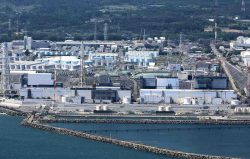
U.S. Firm to Build Training Hub in Fukushima N-plant for Debris R...
-

Japan, U.S. Name 3 Inaugural Investment Projects; Reached Agreeme...
Popular articles in the past month
-
Producer Behind Pop Group XG Arrested for Cocaine Possession
-
Japan PM Takaichi’s Cabinet Resigns en Masse
-

Japan Institute to Use Domestic Commercial Optical Lattice Clock ...
-

Israeli Ambassador to Japan Speaks about Japan’s Role in the Reco...
-
Man Infected with Measles Reportedly Dined at Restaurant in Tokyo...
-

Videos Plagiarized, Reposted with False Subtitles Claiming ‘Ryuky...
-

Man Infected with Measles May Have Come in Contact with Many Peop...
-

Prudential Life Insurance Plans to Fully Compensate for Damages C...
Top Articles in Science & Nature
-
Japan Institute to Use Domestic Commercial Optical Lattice Clock to Set Japan Standard Time
-

iPS Treatments Pass Key Milestone, but Broader Applications Far from Guaranteed
-
Record 700 Startups to Gather at SusHi Tech Tokyo in April; Event Will Center on Themes Like Artificial Intelligence and Robotics
-
iPS Cell Products for Parkinson’s, Heart Disease OK’d for Commercialization by Japan Health Ministry Panel
-

Japan to Ban Use of Power Banks on Airplanes
JN ACCESS RANKING
-
Producer Behind Pop Group XG Arrested for Cocaine Possession
-
Japan PM Takaichi’s Cabinet Resigns en Masse
-
Japan Institute to Use Domestic Commercial Optical Lattice Clock to Set Japan Standard Time
-
Israeli Ambassador to Japan Speaks about Japan’s Role in the Reconstruction of Gaza
-
Man Infected with Measles Reportedly Dined at Restaurant in Tokyo Station