
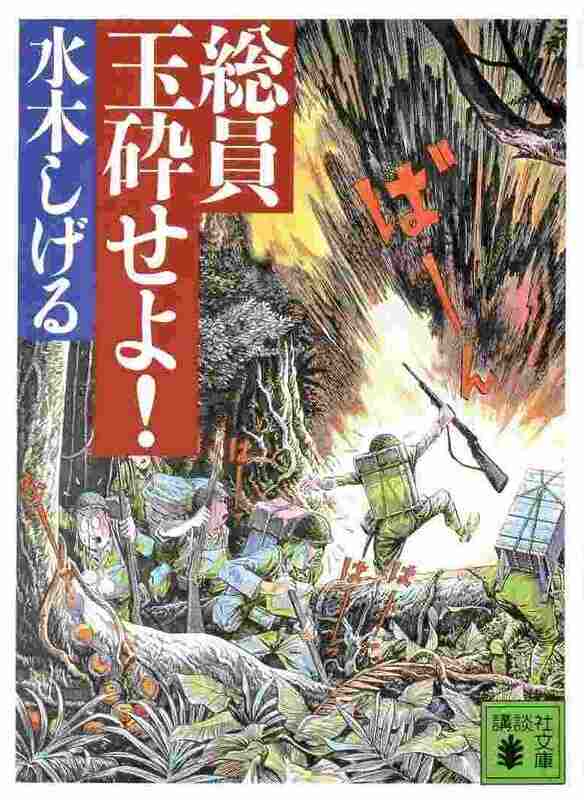
The cover of the paperback edition of Shigeru Mizuki’s “Soin Gyokusai Seyo!” published by Kodansha Ltd.
11:18 JST, September 23, 2021
The creator of a famous manga about World War II expressed fury over the pointless deaths in that conflict in a recently discovered notebook.
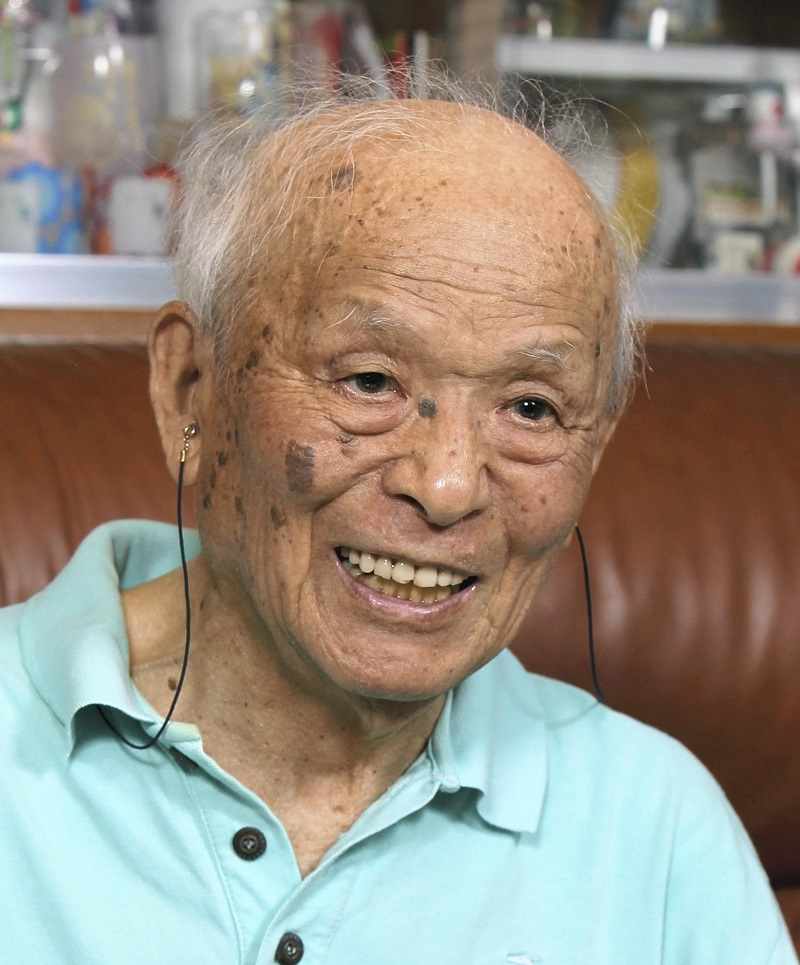
Shigeru Mizuki
The concept notes for manga masterpiece “Soin Gyokusai Seyo!” (Onward Towards Our Noble Deaths) by Shigeru Mizuki (1922-2015) reveal the author’s anger at the reckless fight for “gyokusai,” or honorable death, that took place in Rabaul township on the island of New Britain in Papua New Guinea, a fierce battleground in the war.
“The order for soldiers was a song to kill everyone for nothing,” Mizuki wrote.
A Mizuki Production staff member discovered a B5-sized notebook among items they inherited, while searching for materials for an exhibition to commemorate the 100th anniversary of Mizuki’s birth next year.
More than 30 pages in the notebook show composition details, drafts and episodes for the manga.
“Only the stones and trees here know the record of the killings. If I don’t write it down here and now, it will be buried before anyone knows it,” Mizuki wrote in a line that does not appear in the manga.
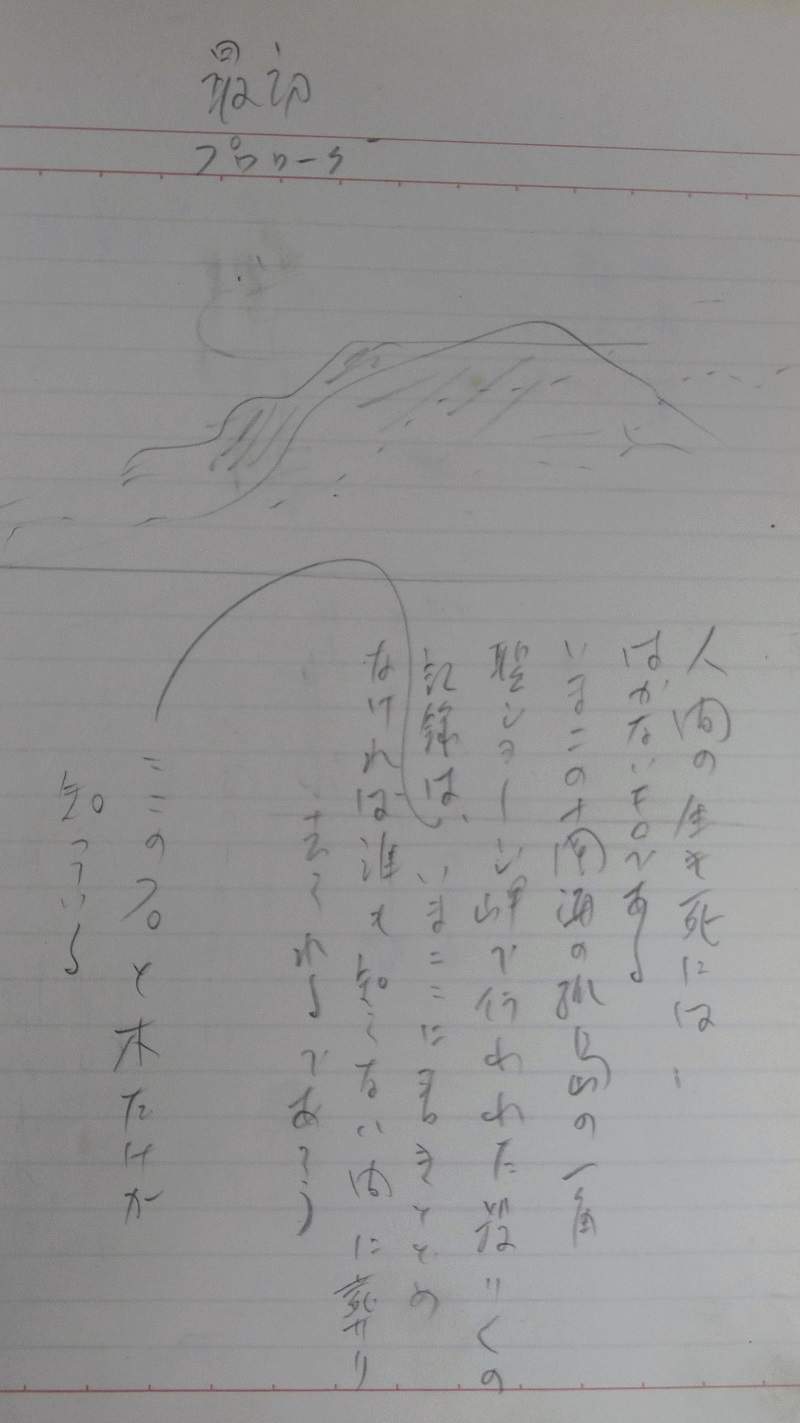
A page of the concept notes for “Soin Gyokusai Seyo!” that includes the line, “Human life and death are fleeting”
Mizuki was drafted into the Imperial Japanese Army in 1943 and was sent to fight in Rabaul. He lost his left arm in an air raid there the following year and was moved to a field hospital.
Many of Mizuki’s fellow soldiers are said to have died in March 1945 as their young battalion chief ordered them to cut their way into enemy lines in search of a “place for honorable death.”
Created on commission, “Soin Gyokusai Seyo!” is a fictionalized account of Mizuki’s wartime experiences. It was published in 1973 as a trade paperback.
In the manga, Mizuki questions war and shows how meaningless and tragic warfare is through depictions of soldiers dying of malaria or hunger to defend their position.
The work won manga awards in France and the United States.
Mizuki’s eldest daughter, Naoko Haraguchi, 58, said the war deeply scarred him.
“Of all his works, ‘Soin Gyokusai Seyo!’ was the one my father got most emotionally involved in,” Haraguchi said. “The notes show his determination to express the regrets of his fellow soldiers.”







Most Read
Popular articles in the past 24 hours
-
Japanese High School Student Aims to Share Kaiten History Through...
-
Business Hotels Expanding into Regional Areas in Japan, Aiming to...
-

Milano Cortina 2026: Japan Sees Leap in Olympic Performance Throu...
-
PM Takaichi Spells out Plans to Advance Bold Policy Shifts in Spe...
-
Chronic Issues Erode Thailand’s Economy as Political Confusion Pe...
-

Milano Cortina 2026: Japan's Satoshi Furuno Places 4th in Men's S...
-

Milano Cortina 2026: Speed Skater Takagi Finishes 6th in the 1,50...
-
Osaka: 40 Ninjas Display Shuriken Throwing Skills at Japan Champi...
Popular articles in the past week
-

Japan PM Takaichi’s Cabinet Resigns en Masse
-

Man Infected with Measles Reportedly Dined at Restaurant in Tokyo...
-

Sanae Takaichi Elected Prime Minister of Japan; Keeps All Cabinet...
-

Japan's Govt to Submit Road Map for Growth Strategy in March, PM ...
-

Bus Carrying 40 Passengers Catches Fire on Chuo Expressway; All E...
-

Milano Cortina 2026: Figure Skaters Riku Miura, Ryuichi Kihara Pa...
-

Japan, U.S. Name 3 Inaugural Investment Projects; Reached Agreeme...
-

U.S. Firm to Build Training Hub in Fukushima N-plant for Debris R...
Popular articles in the past month
-
Japan PM Takaichi’s Cabinet Resigns en Masse
-

Japan Institute to Use Domestic Commercial Optical Lattice Clock ...
-

Israeli Ambassador to Japan Speaks about Japan’s Role in the Reco...
-
Man Infected with Measles Reportedly Dined at Restaurant in Tokyo...
-

Videos Plagiarized, Reposted with False Subtitles Claiming ‘Ryuky...
-

Man Infected with Measles May Have Come in Contact with Many Peop...
-

Prudential Life Insurance Plans to Fully Compensate for Damages C...
-

Woman with Measles Visited Hospital in Tokyo Multiple Times Befor...
Top Articles in Culture
-

BTS to Hold Comeback Concert in Seoul on March 21; Popular Boy Band Releases New Album to Signal Return
-

Director Naomi Kawase’s New Film Explores Heart Transplants in Japan, Production Involved Real Patients, Families
-

‘Jujutsu Kaisen’ Voice Actor Junya Enoki Discusses Rapid Action Scenes in Season 3, Airing Now
-

Tokyo Exhibition Offers Inside Look at Impressionism; 70 of 100 Works on ‘Interiors’ by Monet, Others on Loan from Paris
-
Traditional Japanese Silk Hakama Tradition Preserved by Sole Weaver in Sendai
JN ACCESS RANKING
-
Japan PM Takaichi’s Cabinet Resigns en Masse
-
Japan Institute to Use Domestic Commercial Optical Lattice Clock to Set Japan Standard Time
-
Israeli Ambassador to Japan Speaks about Japan’s Role in the Reconstruction of Gaza
-
Man Infected with Measles Reportedly Dined at Restaurant in Tokyo Station
-
Videos Plagiarized, Reposted with False Subtitles Claiming ‘Ryukyu Belongs to China’; Anti-China False Information Also Posted in Japan