
Japan to Share AI Summaries of Patent Examination Cases with Emerging Nations; Protection of Companies’ Rights, Faster Process Times Sought
Japan Patent Office
2:00 JST, December 31, 2025
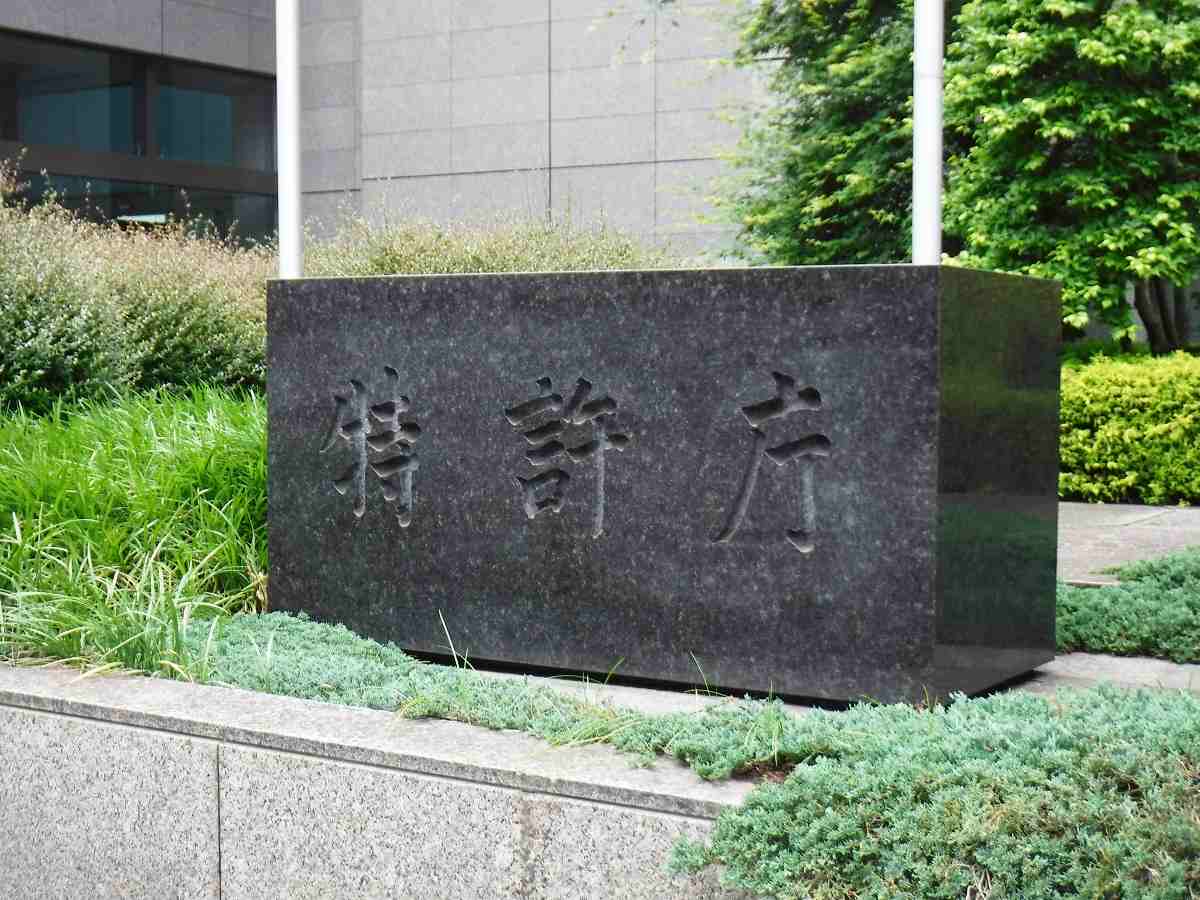
The Japan Patent Office plans to use artificial intelligence to create summaries of some of its past patent examinations and provide them to emerging nations starting in January.
By enabling the countries to reference patent examination precedents in Japan, the initiative aims to shorten the time it takes them to process patent applications.
The program will start in Thailand and be rolled out gradually to other nations with the aim of protecting the rights of Japanese companies as they expand overseas.
Countries involved in the initiative will provide lists of patents that they plan to examine. The patent office will create AI-generated summaries of its past patent examinations that are similar to those on the lists. The reasoning behind the determinations, among other things, will be included in the summaries.
The initiative aims to reduce the workload that the countries face.
A patent is the exclusive right to use and sell an invention. Since patents are usually only valid in the countries where they are obtained, companies and individuals must apply for and obtain patents in each country they operate in.
In Japan, patent examiners determine whether the claimed invention is novel and original.
According to the patent office, Japan’s patent examination process is one of the fastest in the world, with an average total wait of just over a year from the request date until the patent is granted. In the United States and European nations, the process is said to take about two years.
Emerging economies often do not have an efficient system in place to examine patents. In Thailand, for instance, it takes more than three years to complete the procedure. However, by combining the new initiative with an existing framework for expedited patent examination used by Japan and other countries, the time it takes for the countries included in the initiative to process a patent is expected to be reduced to about one year.
Japanese companies file about 2,900 patent applications annually in Thailand, followed by about 1,700 in Singapore and around 1,300 in Malaysia. Shortening the patent examination period is expected to enhance the protection of their rights.
WEB:




Most Read
Popular articles in the past 24 hours
-

Improvement of Japanese Language Schools Lags Rise in Foreigners
-

Japan's Test-Takers in Sapporo Offered Special Accommodation Arra...
-

Japanese Shipping Giants Halt Strait of Hormuz Transit as Iran Co...
-
Rental Lab Space in Tokyo Area More Than Doubles Since 2010, Offe...
-

U.S. Launches Attacks on Iran: Avoid Escalation of Conflict by An...
-

Parents of Japanese Teen Shot in U.S. Strive for Gun Control
-

Sawtooth Roof Factory Stands as Monument to Ashikaga Textile Hist...
-
Disinformation Spreads About Team Mirai, Ballot Readers; Online P...
Popular articles in the past week
-

Nepal Bus Crash Kills 19 People, Injures 25 Including One Japanes...
-

Milano Cortina 2026: Japanese Gold Medalist Figure Skater Miura S...
-

Tokyo Spends Big on Children, Wins Over Parents
-

McDonald's Japan Raises Prices; Big Mac to Cost ¥500, Double Chee...
-

‘Dry Bonsai’ Gives New Life to Withered Trees, Allows Free Artist...
-

Japan’s Miura, Kihara Announce Withdrawal from Figure Skating Wor...
-

Exhibition Featuring Yoshiharu Tsuge’s Manga World Underway in Ch...
-

Yokohama to Test Out Renewable-Powered Offshore Floating Data Cen...
Popular articles in the past month
-

Producer Behind Pop Group XG Arrested for Cocaine Possession
-

Japan PM Takaichi’s Cabinet Resigns en Masse
-

Man Infected with Measles Reportedly Dined at Restaurant in Tokyo...
-

Israeli Ambassador to Japan Speaks about Japan’s Role in the Reco...
-

Videos Plagiarized, Reposted with False Subtitles Claiming ‘Ryuky...
-

Man Infected with Measles May Have Come in Contact with Many Peop...
-

Prudential Life Insurance Plans to Fully Compensate for Damages C...
-

Woman with Measles Visited Hospital in Tokyo Multiple Times Befor...
Top Articles in Business
-
Prudential Life Insurance Plans to Fully Compensate for Damages Caused by Fraudulent Actions Without Waiting for Third-Party Committee Review
-

Japan, U.S. Name 3 Inaugural Investment Projects; Reached Agreement After Considerable Difficulty
-

Japan’s Major Real Estate Firms Expanding Overseas Businesses to Secure Future Growth, Focusing on Europe, U.S., Asia
-

SoftBank Launches AI Service for Call Centers That Converts Harsh Customer Voices into Softer Voices
-

Green Tea Exports Hit Record High in 2025 Amid Growing Demand, Likely to Be Driving Force Behind Govt Export Target
JN ACCESS RANKING
-
Producer Behind Pop Group XG Arrested for Cocaine Possession
-
Japan PM Takaichi’s Cabinet Resigns en Masse
-
Man Infected with Measles Reportedly Dined at Restaurant in Tokyo Station
-
Israeli Ambassador to Japan Speaks about Japan’s Role in the Reconstruction of Gaza
-
Videos Plagiarized, Reposted with False Subtitles Claiming ‘Ryukyu Belongs to China’; Anti-China False Information Also Posted in Japan