
Ruling Parties Plan to Lower Threshold for Ultra-Rich Tax Surcharge; Seek to Balance Strengthening Revenue with Maintaining Investor Spirit
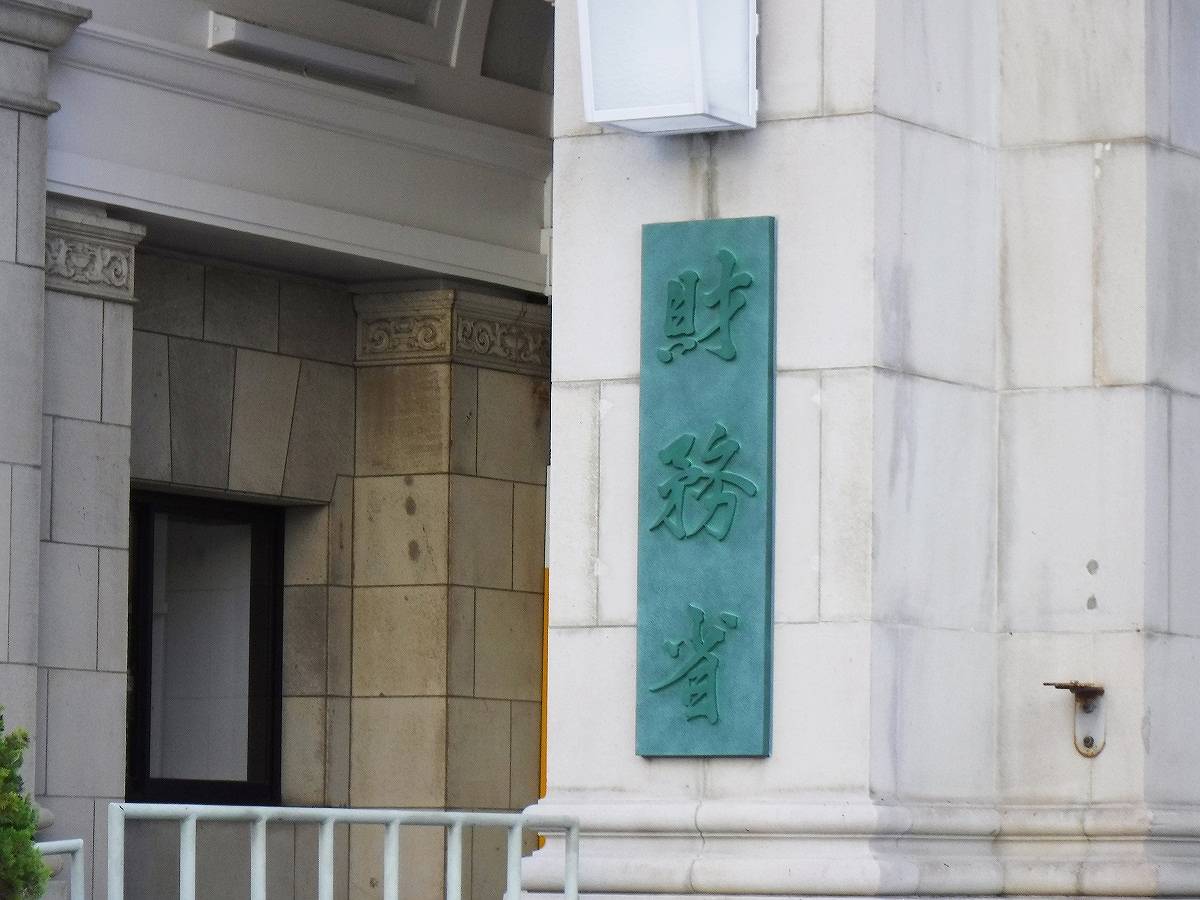
The Finance Ministry in Chiyoda Ward, Tokyo
16:07 JST, December 5, 2025
The government and the ruling coalition are working to expand the scope of a system that imposes an additional tax burden on the ultra-wealthy as part of their fiscal 2026 tax reforms. They plan to lower the income threshold at which the surcharge is applied from level of roughly ¥3 billion a year. The aim is to address what is known as the “¥100 million wall,” a phenomenon in which a person’s effective income-tax burden drops once their annual income exceeds ¥100 million.
For earned income such as wages, the marginal tax rate — including municipal resident taxes — rises with earnings and can reach as high as 55%. By contrast, the tax rate on financial income such as capital gains from stock sales is a flat 20%, meaning that wealthier individuals who derive a larger share of their earnings from investments tend to face a lower effective income-tax rate.
According to the Finance Ministry, the average effective tax burden is 25.9% for people with annual incomes of ¥50 million to ¥100 million, but it falls to 20.1% for those earning ¥1 billion to ¥2 billion. The tax burden begins to decline around the ¥100 million income level, an issue which has long been referred to by critics as the “¥100 million wall.”
The government introduced the current framework for adding additional taxes for the ultra-wealthy in the fiscal 2023 tax reform. Under the system, a reference amount is calculated by subtracting a special deduction of ¥330 million from total income and applying a tax rate of 22.5%. If that reference amount exceeds an individual’s regular income-tax liability, the person must pay the difference as an additional tax.
The policy is believed to apply to roughly 200 to 300 people with annual incomes exceeding ¥3 billion.
As they consider further strengthening the tax, the government and ruling coalition are weighing options including reducing the special deduction and raising the tax rate. Either approach would lower the income level at which the additional tax begins, likely expanding the number of people subject to the surcharge.
At the same time, widening the net too aggressively could dampen investor sentiment and potentially trigger stock-price declines in the equity market. Details such as how much to cut the deduction and how high to raise the rate will be worked out through further debate and incorporated into the ruling parties’ tax reform outline to be finalized by year’s end.
In late October, six ruling and opposition parties agreed to abolish the temporary surtax rates on the gasoline tax and the diesel fuel delivery tax. As a way to offset the resulting revenue shortfall — estimated at ¥1.5 trillion a year — they agreed that taxation of the ultra-wealthy would be strengthened.




Most Read
Popular articles in the past 24 hours
-

Japanese Shipping Giants Halt Strait of Hormuz Transit as Iran Co...
-

U.S. Launches Attacks on Iran: Avoid Escalation of Conflict by An...
-

Improvement of Japanese Language Schools Lags Rise in Foreigners
-
Rental Lab Space in Tokyo Area More Than Doubles Since 2010, Offe...
-

Sawtooth Roof Factory Stands as Monument to Ashikaga Textile Hist...
-

Parents of Japanese Teen Shot in U.S. Strive for Gun Control
-

Disinformation Spreads About Team Mirai, Ballot Readers; Online P...
-
Bank of Japan Deputy Governor Says Rate Hikes Likely to Continue
Popular articles in the past week
-

Nepal Bus Crash Kills 19 People, Injures 25 Including One Japanes...
-

Milano Cortina 2026: Japanese Gold Medalist Figure Skater Miura S...
-
Tokyo Spends Big on Children, Wins Over Parents
-

McDonald's Japan Raises Prices; Big Mac to Cost ¥500, Double Chee...
-

‘Dry Bonsai’ Gives New Life to Withered Trees, Allows Free Artist...
-

Japan’s Miura, Kihara Announce Withdrawal from Figure Skating Wor...
-

Exhibition Featuring Yoshiharu Tsuge’s Manga World Underway in Ch...
-

Yokohama to Test Out Renewable-Powered Offshore Floating Data Cen...
Popular articles in the past month
-

Producer Behind Pop Group XG Arrested for Cocaine Possession
-

Japan PM Takaichi’s Cabinet Resigns en Masse
-

Man Infected with Measles Reportedly Dined at Restaurant in Tokyo...
-

Israeli Ambassador to Japan Speaks about Japan’s Role in the Reco...
-

Videos Plagiarized, Reposted with False Subtitles Claiming ‘Ryuky...
-

Man Infected with Measles May Have Come in Contact with Many Peop...
-

Prudential Life Insurance Plans to Fully Compensate for Damages C...
-

Woman with Measles Visited Hospital in Tokyo Multiple Times Befor...
Top Articles in Business
-
Prudential Life Insurance Plans to Fully Compensate for Damages Caused by Fraudulent Actions Without Waiting for Third-Party Committee Review
-

Japan, U.S. Name 3 Inaugural Investment Projects; Reached Agreement After Considerable Difficulty
-

Japan’s Major Real Estate Firms Expanding Overseas Businesses to Secure Future Growth, Focusing on Europe, U.S., Asia
-

SoftBank Launches AI Service for Call Centers That Converts Harsh Customer Voices into Softer Voices
-

Green Tea Exports Hit Record High in 2025 Amid Growing Demand, Likely to Be Driving Force Behind Govt Export Target
JN ACCESS RANKING
-
Producer Behind Pop Group XG Arrested for Cocaine Possession
-
Japan PM Takaichi’s Cabinet Resigns en Masse
-
Man Infected with Measles Reportedly Dined at Restaurant in Tokyo Station
-
Israeli Ambassador to Japan Speaks about Japan’s Role in the Reconstruction of Gaza
-
Videos Plagiarized, Reposted with False Subtitles Claiming ‘Ryukyu Belongs to China’; Anti-China False Information Also Posted in Japan