
Japanese Shipping Giants Halt Strait of Hormuz Transit as Iran Conflict Raises Fears Over Oil Supply
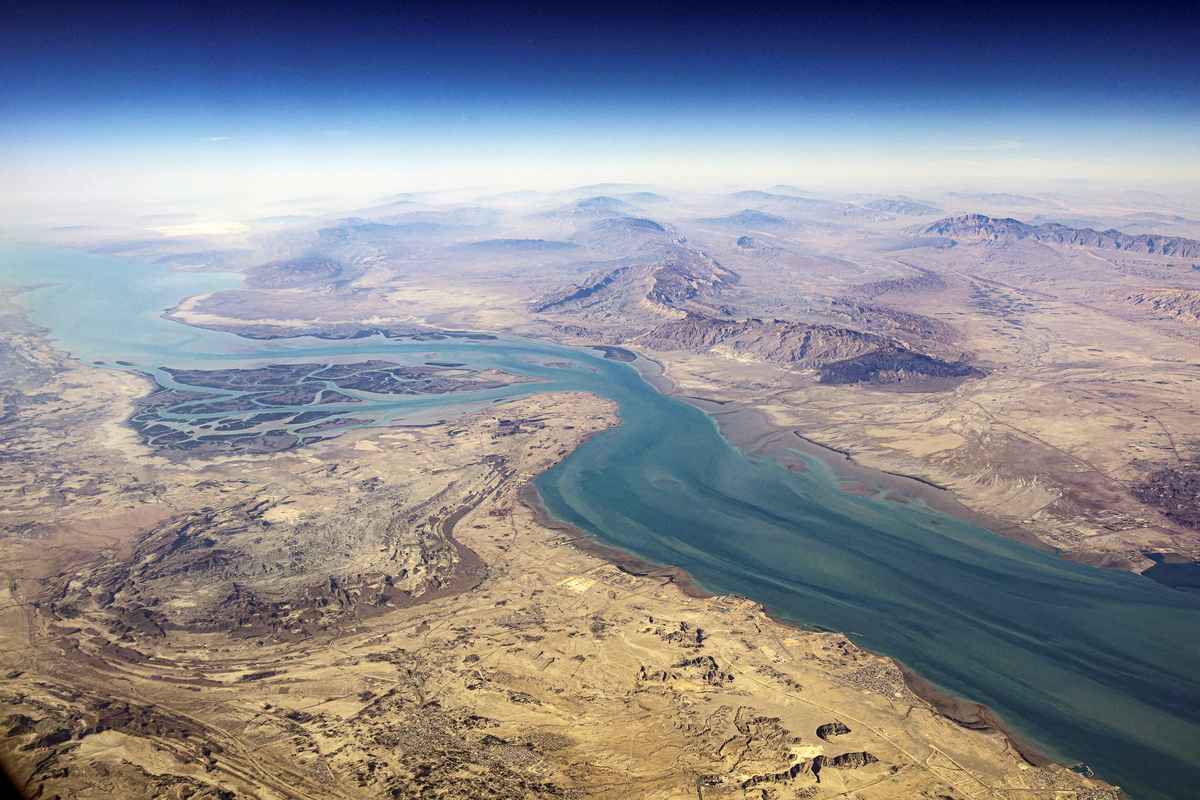
An aerial view of Iran and the island of Qeshm in the Strait of Hormuz in December 2023.
13:19 JST, March 2, 2026
Major Japanese shipping companies have suspended navigation through the Strait of Hormuz following attacks on Iran by the United States and Israel. Japan depends on the Middle East for more than 90% of its crude oil imports, raising concerns that a prolonged disruption could affect the stability of supplies.
By Sunday, Japan’s three largest shipping companies — Nippon Yusen Kaisha, Mitsui O.S.K. Lines, and Kawasaki Kisen Kaisha — had halted passage through the Strait of Hormuz. According to Mitsui O.S.K. Lines, Iranian authorities had notified the company that all vessels were prohibited from transiting.
The Strait of Hormuz separates the Gulf of Oman in the Indian Ocean from the Persian Gulf. The Mitsui O.S.K Lines halted ships headed for the Persian Gulf, while vessels already in it were moved to safer waters.
Nippon Yusen Kaisha and Kawasaki Kisen Kaisha also instructed multiple ships remaining in the Persian Gulf to evacuate to safer areas. In addition to crude oil tankers, shipping companies operate vessels carrying liquefied natural gas and automobiles.
According to Reuters, major global oil companies have also suspended transport through the Strait of Hormuz. Omani authorities said Sunday that an oil tanker flying the Palau flag had come under attack off the coast of Oman.
Roughly 20% of the world’s crude oil shipments pass through the Strait of Hormuz, including most of the oil Japan imports from the Middle East.
Japan maintains petroleum reserves through both government and private-sector stockpiles. According to the Agency for Natural Resources and Energy, as of the end of December 2025, those reserves were equivalent to 254 days of consumption. Even if crude oil imports are disrupted, domestic supplies are not expected to run out in the short term.
Flight cancellations continue
The attacks on Iran are also having a growing impact on air travel. With multiple airspaces in the Middle East closed, airlines around the world have successively suspended flights to and from the region, and the outlook remains uncertain.
Japan Airlines Co. has decided to cancel six flights between Tokyo’s Haneda Airport and Doha through Tuesday. It has not yet determined whether service will resume on Wednesday or later.
At Narita Airport in Chiba Prefecture, five flights bound for Middle Eastern destinations including Doha and Tel Aviv were canceled on Sunday. Airlines posted notices at airport counters informing travelers of the airspace closures and asking for their understanding.
“I heard the flight has been canceled and I’m at a loss,” said a 60-year-old office worker from Ina, Nagano Prefecture, who had been scheduled to travel to Germany on a Sunday night flight via Doha. “I have business meetings on Tuesday and Thursday, and I’m wondering whether I’ll make it in time.”




Most Read
Popular articles in the past 24 hours
-

Improvement of Japanese Language Schools Lags Rise in Foreigners
-

Japan's Test-Takers in Sapporo Offered Special Accommodation Arra...
-

Rental Lab Space in Tokyo Area More Than Doubles Since 2010, Offe...
-
Japanese Shipping Giants Halt Strait of Hormuz Transit as Iran Co...
-

U.S. Launches Attacks on Iran: Avoid Escalation of Conflict by An...
-

Parents of Japanese Teen Shot in U.S. Strive for Gun Control
-

Sawtooth Roof Factory Stands as Monument to Ashikaga Textile Hist...
-

Disinformation Spreads About Team Mirai, Ballot Readers; Online P...
Popular articles in the past week
-

Nepal Bus Crash Kills 19 People, Injures 25 Including One Japanes...
-

Milano Cortina 2026: Japanese Gold Medalist Figure Skater Miura S...
-

Tokyo Spends Big on Children, Wins Over Parents
-

McDonald's Japan Raises Prices; Big Mac to Cost ¥500, Double Chee...
-

‘Dry Bonsai’ Gives New Life to Withered Trees, Allows Free Artist...
-

Japan’s Miura, Kihara Announce Withdrawal from Figure Skating Wor...
-

Exhibition Featuring Yoshiharu Tsuge’s Manga World Underway in Ch...
-

Yokohama to Test Out Renewable-Powered Offshore Floating Data Cen...
Popular articles in the past month
-

Producer Behind Pop Group XG Arrested for Cocaine Possession
-

Japan PM Takaichi’s Cabinet Resigns en Masse
-

Man Infected with Measles Reportedly Dined at Restaurant in Tokyo...
-

Israeli Ambassador to Japan Speaks about Japan’s Role in the Reco...
-

Videos Plagiarized, Reposted with False Subtitles Claiming ‘Ryuky...
-

Man Infected with Measles May Have Come in Contact with Many Peop...
-

Prudential Life Insurance Plans to Fully Compensate for Damages C...
-

Woman with Measles Visited Hospital in Tokyo Multiple Times Befor...
Top Articles in Business
-
Prudential Life Insurance Plans to Fully Compensate for Damages Caused by Fraudulent Actions Without Waiting for Third-Party Committee Review
-

Japan, U.S. Name 3 Inaugural Investment Projects; Reached Agreement After Considerable Difficulty
-

Japan’s Major Real Estate Firms Expanding Overseas Businesses to Secure Future Growth, Focusing on Europe, U.S., Asia
-

SoftBank Launches AI Service for Call Centers That Converts Harsh Customer Voices into Softer Voices
-

Green Tea Exports Hit Record High in 2025 Amid Growing Demand, Likely to Be Driving Force Behind Govt Export Target
JN ACCESS RANKING
-
Producer Behind Pop Group XG Arrested for Cocaine Possession
-
Japan PM Takaichi’s Cabinet Resigns en Masse
-
Man Infected with Measles Reportedly Dined at Restaurant in Tokyo Station
-
Israeli Ambassador to Japan Speaks about Japan’s Role in the Reconstruction of Gaza
-
Videos Plagiarized, Reposted with False Subtitles Claiming ‘Ryukyu Belongs to China’; Anti-China False Information Also Posted in Japan