
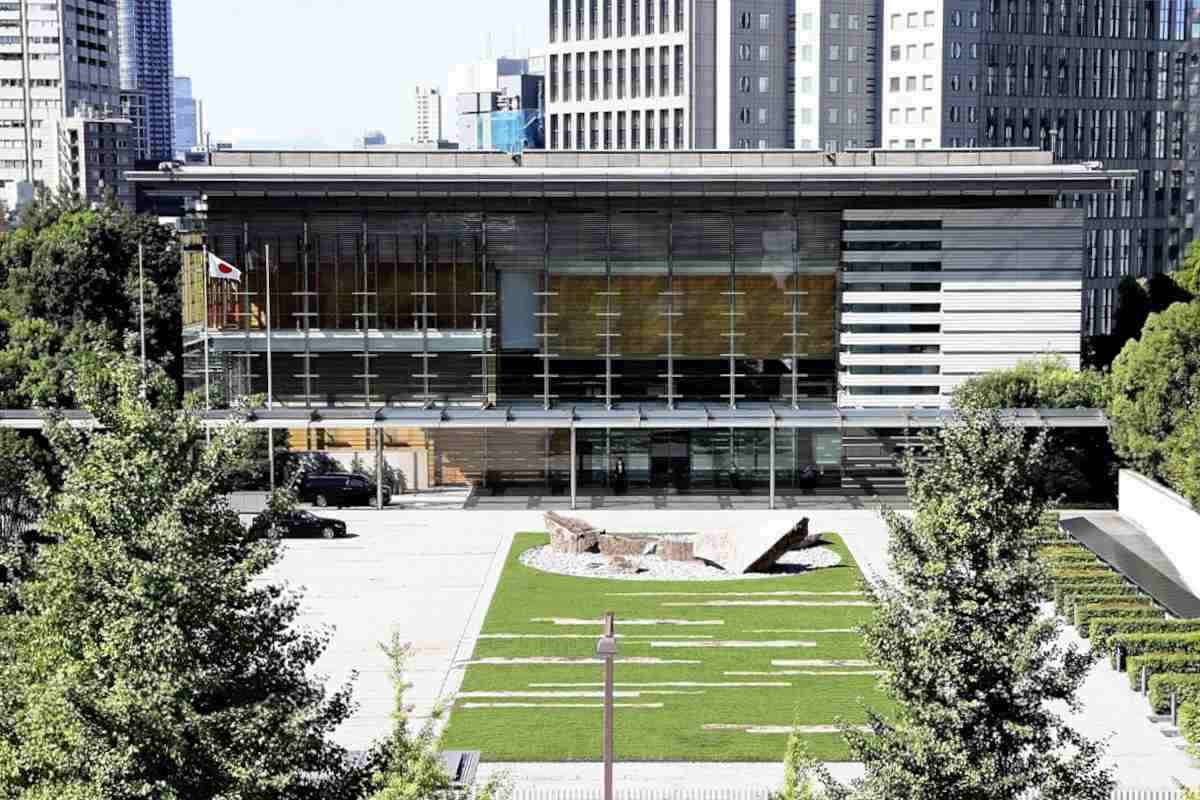
The Prime Minister’s Office
16:20 JST, March 11, 2023
Patients who are treated for COVID-19 will have to pay for their outpatient medical treatment from May 8 because the government’s special financing for the treatment will end when the classification of COVID-19 under the Infectious Diseases Law will be downgraded from the current level of “equivalent to Category II” to “Category V,” the same level as seasonal influenza.
However, the government will continue to finance the costs of therapeutic drugs for COVID-19 until the end of September because they are expensive.
The government decided on its review of COVID-19 measures, including public financing and the medical system, through its headquarters on Friday. While the out-of-pocket payment will, in principle, be paid by outpatients at medical institutions in the same manner as payment for treatment of seasonal influenza, the government also aims to increase the number of medical institutions that will accept patients for hospitalization. The headquarters is chaired by Prime Minister Fumio Kishida.
In the review, the government explicitly said it seeks a “shift to an autonomous, normal response by a wide range of medical institutions” as the government’s involvement in COVID-19 medical care will be reduced in phases. The current add-on treatment fee for medical institutions will be reviewed along with the regular revision of medical treatment fees in April to move to a new medical care provision system.
Currently, as novel coronavirus infection is classified as equivalent to Category II, patients do not have to shoulder the usual out-of-pocket payment for treatment after testing positive for the virus. After it is designated as Category V, patients will have to pay the out-of-pocket payments in principle. However, as a transitional measure until Sept. 30, the cost of therapeutic drugs will continue to be paid by public financing.
For hospitalization, up to ¥20,000 per month will be paid in the high-cost medical assistance program. The amount of assistance will be determined based on such factors as the patient’s annual income. The status of such transitional measures after Oct. 1 will be determined in consideration of such factors as the infection situation.
The change of COVID-19’s designation to equivalent to Category II is a mechanism to enable specific medical institutions to deal with hospitalization and outpatient treatment. Currently, about 3,000 institutions have hospital beds specifically designated to treat COVID-19 patients. However, when the status is downgraded to Category V, this bed designation will be eliminated and the government aims for all hospitals across the nation, totaling about 8,200, to accept hospitalizations of COVID-19 patients.
Currently, about 42,000 medical institutions with fever clinics are providing outpatient treatment. The government hopes that 64,000 medical institutions will treat COVID-19 outpatients from May 8.








Most Read
Popular articles in the past 24 hours
-
Japanese High School Student Aims to Share Kaiten History Through...
-
Business Hotels Expanding into Regional Areas in Japan, Aiming to...
-
Milano Cortina 2026: Japan Sees Leap in Olympic Performance Throu...
-
PM Takaichi Spells out Plans to Advance Bold Policy Shifts in Spe...
-
Chronic Issues Erode Thailand’s Economy as Political Confusion Pe...
-

Milano Cortina 2026: Japan's Satoshi Furuno Places 4th in Men's S...
-

Milano Cortina 2026: Speed Skater Takagi Finishes 6th in the 1,50...
-
Osaka: 40 Ninjas Display Shuriken Throwing Skills at Japan Champi...
Popular articles in the past week
-

Japan PM Takaichi’s Cabinet Resigns en Masse
-

Man Infected with Measles Reportedly Dined at Restaurant in Tokyo...
-

Sanae Takaichi Elected Prime Minister of Japan; Keeps All Cabinet...
-

Japan's Govt to Submit Road Map for Growth Strategy in March, PM ...
-

Bus Carrying 40 Passengers Catches Fire on Chuo Expressway; All E...
-

Milano Cortina 2026: Figure Skaters Riku Miura, Ryuichi Kihara Pa...
-

Japan, U.S. Name 3 Inaugural Investment Projects; Reached Agreeme...
-
U.S. Firm to Build Training Hub in Fukushima N-plant for Debris R...
Popular articles in the past month
-
Japan PM Takaichi’s Cabinet Resigns en Masse
-

Japan Institute to Use Domestic Commercial Optical Lattice Clock ...
-

Israeli Ambassador to Japan Speaks about Japan’s Role in the Reco...
-
Man Infected with Measles Reportedly Dined at Restaurant in Tokyo...
-

Videos Plagiarized, Reposted with False Subtitles Claiming ‘Ryuky...
-

Man Infected with Measles May Have Come in Contact with Many Peop...
-

Prudential Life Insurance Plans to Fully Compensate for Damages C...
-

Woman with Measles Visited Hospital in Tokyo Multiple Times Befor...
Top Articles in Society
-
Man Infected with Measles Reportedly Dined at Restaurant in Tokyo Station
-
Man Infected with Measles May Have Come in Contact with Many People in Tokyo, Went to Store, Restaurant Around When Symptoms Emerged
-
Woman with Measles Visited Hospital in Tokyo Multiple Times Before Being Diagnosed with Disease
-
Australian Woman Dies After Mishap on Ski Lift in Nagano Prefecture
-
Foreign Snowboarder in Serious Condition After Hanging in Midair from Chairlift in Nagano Prefecture
JN ACCESS RANKING
-
Japan PM Takaichi’s Cabinet Resigns en Masse
-
Japan Institute to Use Domestic Commercial Optical Lattice Clock to Set Japan Standard Time
-
Israeli Ambassador to Japan Speaks about Japan’s Role in the Reconstruction of Gaza
-
Man Infected with Measles Reportedly Dined at Restaurant in Tokyo Station
-
Videos Plagiarized, Reposted with False Subtitles Claiming ‘Ryukyu Belongs to China’; Anti-China False Information Also Posted in Japan