To use this site, please disable the ad blocking feature and reload the page.
This website uses cookies to collect information about your visit for purposes such as showing you personalized ads and content, and analyzing our website traffic. By clicking “Accept all,” you will allow the use of these cookies.
Users accessing this site from EEA countries and UK are unable to view this site without your consent. We apologize for any inconvenience caused.
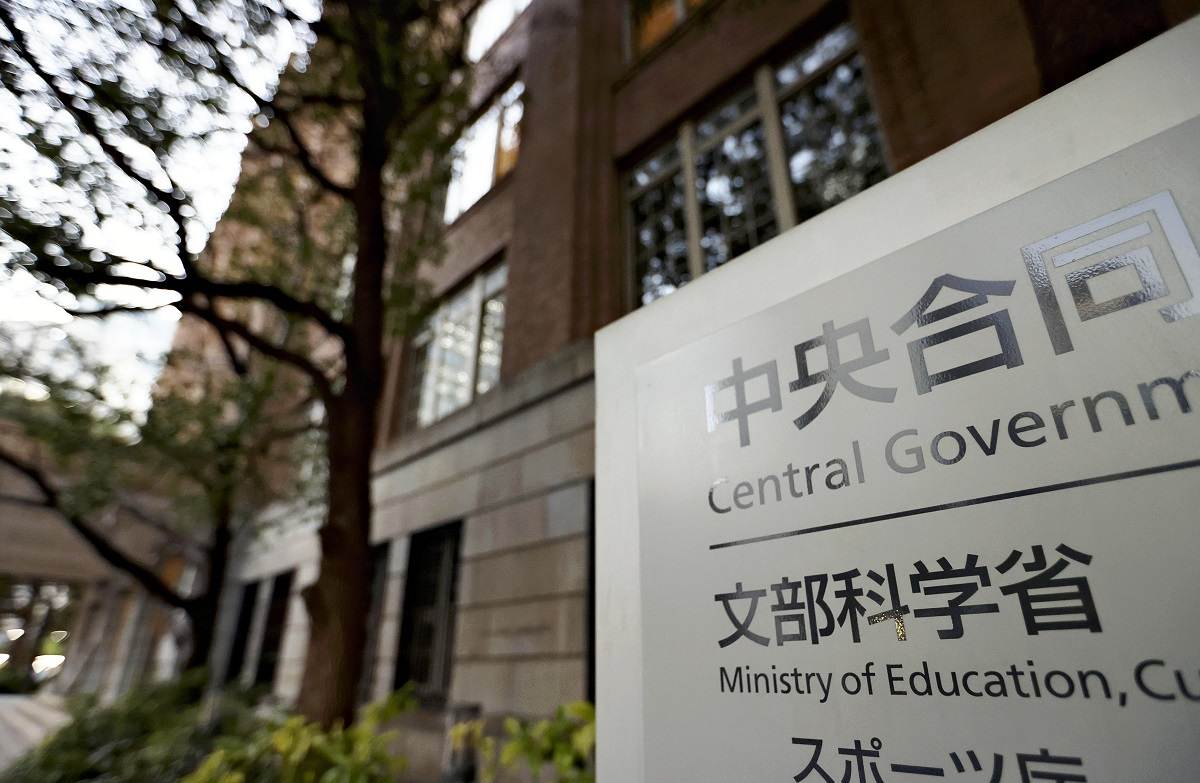
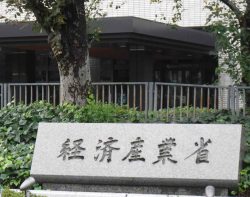
Yomiuri Shimbun file photo The Education, Culture, Sports, Science and Technology Ministry
The Yomiuri Shimbun
6:00 JST, August 14, 2024
The Education, Culture, Sports, Science and Technology Ministry has decided to establish a system where teams of teachers and other staff from across Japan are dispatched to areas affected by large-scale disasters.
Such teams will help confirm the safety of students and support their learning during evacuation. Based on the lessons learned from a major earthquake that hit the Noto Peninsula in January, the ministry concluded that it is important for students’ learning to continue in disaster-affected areas.
The new system will be designed with reference to the Disaster Medical Assistance Team, or DMAT, which dispatches doctors, nurses and other medical personnel to affected areas. It has been tentatively named the Disaster Education Support Team, or D-EST.
Under the D-EST scheme, education ministry officials will enter the affected municipalities to assess the needs and then, if necessary, request the dispatch of teams. The five prefectures of Miyagi, Mie, Hyogo, Okayama and Kumamoto currently have their own school support teams.
The education ministry plans to encourage other prefectures to set up their own teams by presenting examples of existing teams’ activities. The ministry plans to include related expenses in its budget request for the next fiscal year.
The support teams will be comprised of teachers, school officials and counselors. They will be dispatched to schools in disaster-affected areas to provide learning support and psychological care to students. The teams will also help clean up school buildings and inspect routes to schools to ensure their early reopening.
In the Noto Peninsula Earthquake, school support teams from Hyogo and Kumamoto prefectures went to disaster-affected areas. It has been pointed out that local governments are often overwhelmed with disaster recovery and providing livelihood support to residents immediately after disasters, resulting in delays in restoring learning opportunities for children. The envisaged system is expected to provide prompt support to children by sending teachers and staff trained for disaster response to affected areas.