
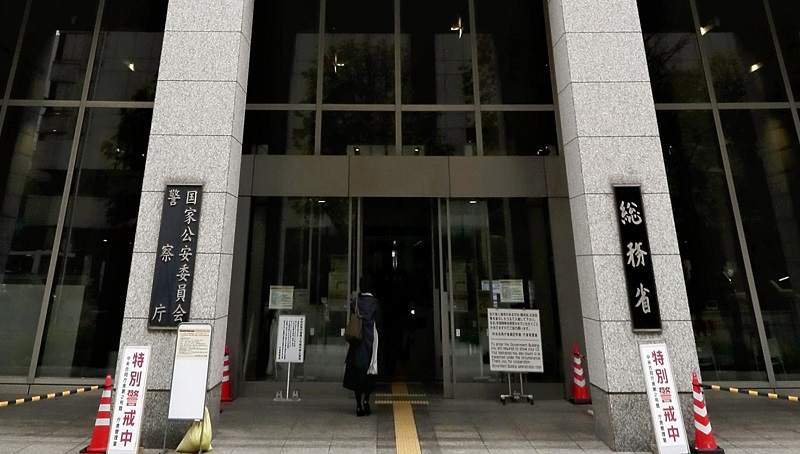
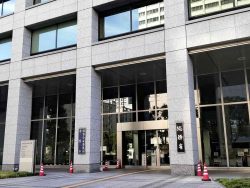
The Internal Affairs and Communications Ministry
10:20 JST, April 1, 2023
TOKYO (Jiji Press) — Japan’s seasonally adjusted unemployment rate in February rose 0.2 percentage points from the previous month to 2.6%, the first increase in five months, the internal affairs ministry said Friday.
The trend of changing jobs is believed to be spreading, reflecting the subsiding COVID-19 situation and expectations for higher salaries.
The number of jobless people increased by 130,000 to 1.8 million. The number of people who left their jobs voluntarily and that of those who newly began to seek jobs increased by 80,000 and 30,000, respectively.
People with jobs totaled 67.14 million, down by 300,000.
Separately, the labor ministry said the ratio of effective job openings to job seekers in February fell 0.01 point from the previous month to 1.34, down for two months in a row. The ratio represents the number of jobs available to each seeker registered with Hello Work public job placement centers across the country.
The number of effective job applicants grew 1.6%, outpacing the increase of 0.8% in effective job openings.







Most Read
Most read in the last 24 hours
-

Tokyo Vice Governor: SusHi Tech Tokyo Garners Tangible Business O...
-

Iran's Top Diplomat Briefly Returns to Pakistan but Trump Says th...
-
Japan to Host Leaders from Major Cities from Around the World for...
-

DC Gala Shooting Suspect Aired Grievances against Trump in Writin...
-

Sabastian Sawe of Kenya Becomes First Person to Run a Sub-2-hour ...
-
M6.1 Earthquake Hits Hokkaido, Japan; No Tsunami Expected
-

Students’ ‘ITAMAE’ Project Boosts Interest in Starting Small Busi...
-

Japanese Police Storm Bus to Arrest Man with Knife; No Injuries R...
Most read in the last 7 days
-
China, South Korea Object to Japanese PM Takaichi's Ritual Offeri...
-

Trump Extends the Ceasefire with Iran but Keeps the Blockade
-

India's Arms Indigenization Quest for Self-Reliance / New Delhi S...
-

¥1,000 Coins to Be Issued to Mark Anniversary of Beginning of Jap...
-

Most Serious Cyberattacks against the UK Now from Russia, Iran an...
-

Trump Opposes United–American Merger, Signals Support for Spirit
-

System Malfunction in Haneda Airport Causes 83 Flight Cancelation...
-

Florida Launches Criminal Probe into OpenAI and ChatGPT over Dead...
Most read in the last 30 days
-
Earthquake Hits Japan's Tohoku Region; 3-meter Tsunami Warning Is...
-
Police Find Child's Shoe During Search for Missing Boy in Nantan,...
-
Body Found in Nantan, Kyoto Prefecture, During Search for 11-Year...
-
China, South Korea Object to Japanese PM Takaichi's Ritual Offeri...
-

Cherry Blossoms, Rapeseed Flowers Perform Colorful ‘Duet’ in Niig...
-
Trump Extends the Ceasefire with Iran but Keeps the Blockade
-

Olympic Gold Medal-Winning Figure Skaters Riku-Ryu Announce Retir...
-
Japanese Prime Minister Takaichi Speaks to Pakistani Prime Minist...
Top Articles in Business
-
Foreign Tourists Set New Record in March; 30% Drop in Visitors from Middle East
-

Japan’s ANA to Introduce Fuel Surcharges to Domestic Flights from Fy27, Driven by Rising Fuel Costs, Declining Profits
-

Toyota Motor to Begin Full-Scale Hydrogen Production in May; Mass Production and Sales of Equipment Planned to Start in 2029
-
Middle Powers Should Create Alternative to WTO, Says Research Group
-
Airborne Cellular Stations to Be Tested in Ishikawa, Miyagi; Aim to Ensure Communication During Disasters
JN ACCESS RANKING
-
Earthquake Hits Japan’s Tohoku Region; 3-meter Tsunami Warning Issued (Update 1)
-
Police Find Child’s Shoe During Search for Missing Boy in Nantan, Kyoto Prefecture
-
Body Found in Nantan, Kyoto Prefecture, During Search for 11-Year-Old Boy in Area (Update 1)
-
China, South Korea Object to Japanese PM Takaichi’s Ritual Offering to Yasukuni Shrine
-
Cherry Blossoms, Rapeseed Flowers Perform Colorful ‘Duet’ in Niigata
Most read in the last 24 hours
-
Tokyo Vice Governor: SusHi Tech Tokyo Garners Tangible Business O...
-
Iran's Top Diplomat Briefly Returns to Pakistan but Trump Says th...
-
Japan to Host Leaders from Major Cities from Around the World for...
-
DC Gala Shooting Suspect Aired Grievances against Trump in Writin...
-
Sabastian Sawe of Kenya Becomes First Person to Run a Sub-2-hour ...
Most read in the last 7 days
-
China, South Korea Object to Japanese PM Takaichi's Ritual Offeri...
-
Trump Extends the Ceasefire with Iran but Keeps the Blockade
-
India's Arms Indigenization Quest for Self-Reliance / New Delhi S...
-
¥1,000 Coins to Be Issued to Mark Anniversary of Beginning of Jap...
-
Most Serious Cyberattacks against the UK Now from Russia, Iran an...
Most read in the last 30 days
-
Earthquake Hits Japan's Tohoku Region; 3-meter Tsunami Warning Is...
-
Police Find Child's Shoe During Search for Missing Boy in Nantan,...
-
Body Found in Nantan, Kyoto Prefecture, During Search for 11-Year...
-
China, South Korea Object to Japanese PM Takaichi's Ritual Offeri...
-
Cherry Blossoms, Rapeseed Flowers Perform Colorful ‘Duet’ in Niig...