
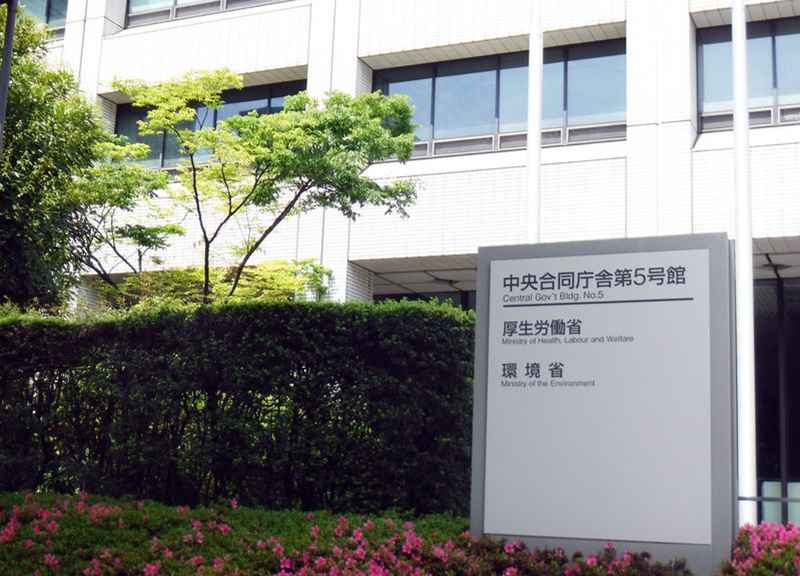
The Health, Labor and Welfare Ministry building
12:37 JST, January 3, 2022
Following a spate of ransomware attacks targeting medical institutions, the Health, Labor and Welfare Ministry will compile information security guidelines designed for hospitals within fiscal 2021, which ends on March 31, 2022.
The guidelines will state that backup data, such as electronic medical records, should be kept separately from hospital networks in order to limit damage.
According to ministry sources, backup data could be infected with ransomware and become inaccessible if it is connected online to the hospital’s system. The ministry therefore will ask hospitals to save their backup data in a separate system, and also to specify the type of media to be used for saving it and the frequency of updates.
Infection of backup data could cause long-term problems. Tsurugi municipal Handa Hospital in Tokushima Prefecture, for example, suffered a cyber-attack on its backup data at the end of October, and it is expected to take about two months for the hospital to resume treatment as normal in the wake of the incident.
Under the guidelines, email senders are urged not to attach any file but instead to text the content via a message board, because viruses can hide in attached files. The guideline will ask hospitals to introduce anti-ransomware software and conduct cyberattack drills.
In 2005, the ministry drew up guidelines on information security in response to extensive use of electronic charts, and urged medical institutions to deploy a cybersecurity officer. These existing guidelines, however, are about 160 pages long, and the ministry plans to condense the contents and make it easier to understand. Its draft plan will be drawn up this month to undergo a public comment session in February before being officially issued.
Ryuichi Yamamoto, who heads the Tokyo-based Medical Information System Development Center and also is in charge of the team compiling the new guidelines, said, “We must create effective guidelines that can be understood and utilized easily to cope with the rampant cyber-attacks on medical institutions.”






Most Read
Popular articles in the past 24 hours
-

Japanese High School Student Aims to Share Kaiten History Through...
-
PM Takaichi Spells out Plans to Advance Bold Policy Shifts in Spe...
-
Chronic Issues Erode Thailand’s Economy as Political Confusion Pe...
-

Japanese Version of Shohei Ohtani's Picture Book Published
-
Tottori: 95-Year-Old Japanese Descendent from Philippines Visits ...
-

Japan to Monitor Trump Administration's Response to U.S. Supreme ...
-

Milano Cortina 2026: Speed Skater Takagi Finishes 6th in the 1,50...
-

Osaka: 40 Ninjas Display Shuriken Throwing Skills at Japan Champi...
Popular articles in the past week
-

Japan PM Takaichi’s Cabinet Resigns en Masse
-

Man Infected with Measles Reportedly Dined at Restaurant in Tokyo...
-

Sanae Takaichi Elected Prime Minister of Japan; Keeps All Cabinet...
-

Japan's Govt to Submit Road Map for Growth Strategy in March, PM ...
-

Bus Carrying 40 Passengers Catches Fire on Chuo Expressway; All E...
-

Milano Cortina 2026: Figure Skaters Riku Miura, Ryuichi Kihara Pa...
-

Japan, U.S. Name 3 Inaugural Investment Projects; Reached Agreeme...
-

U.S. Firm to Build Training Hub in Fukushima N-plant for Debris R...
Popular articles in the past month
-
Japan PM Takaichi’s Cabinet Resigns en Masse
-

Japan Institute to Use Domestic Commercial Optical Lattice Clock ...
-

Israeli Ambassador to Japan Speaks about Japan’s Role in the Reco...
-
Man Infected with Measles Reportedly Dined at Restaurant in Tokyo...
-

Videos Plagiarized, Reposted with False Subtitles Claiming ‘Ryuky...
-

Man Infected with Measles May Have Come in Contact with Many Peop...
-

Prudential Life Insurance Plans to Fully Compensate for Damages C...
-

Woman with Measles Visited Hospital in Tokyo Multiple Times Befor...
Top Articles in Politics
-
Japan PM Takaichi’s Cabinet Resigns en Masse
-
Sanae Takaichi Elected Prime Minister of Japan; Keeps All Cabinet Appointees from Previous Term
-
Japan’s Govt to Submit Road Map for Growth Strategy in March, PM Takaichi to Announce in Upcoming Policy Speech
-

LDP Wins Historic Landslide Victory
-

LDP Wins Landslide Victory, Secures Single-party Majority; Ruling Coalition with JIP Poised to Secure Over 300 seats (UPDATE 1)
JN ACCESS RANKING
-
Japan PM Takaichi’s Cabinet Resigns en Masse
-
Japan Institute to Use Domestic Commercial Optical Lattice Clock to Set Japan Standard Time
-
Israeli Ambassador to Japan Speaks about Japan’s Role in the Reconstruction of Gaza
-
Man Infected with Measles Reportedly Dined at Restaurant in Tokyo Station
-
Videos Plagiarized, Reposted with False Subtitles Claiming ‘Ryukyu Belongs to China’; Anti-China False Information Also Posted in Japan