
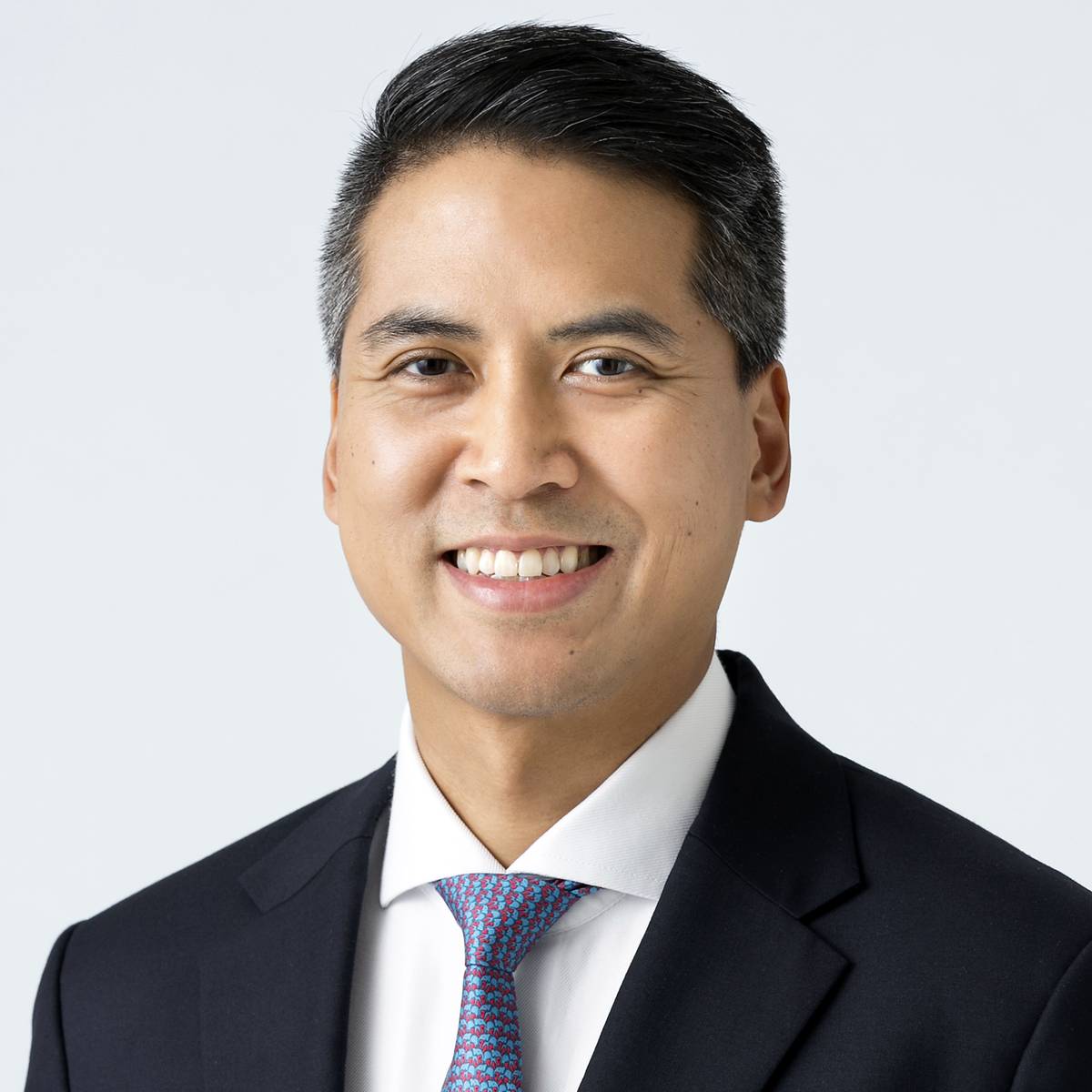
Bing Chomprasob
11:00 JST, April 23, 2026
The rising influence of middle powers is reshaping the global order.
This was made clear by Canadian Prime Minister Mark Carney at the World Economic Forum in Davos, who called for greater coordination among like-minded countries to prevent further rupture of the rules-based system. From Ukraine to the Middle East, conflict is testing the old order. Middle powers are assuming increasingly pivotal roles in economic resilience, energy security, supply chain stability and diplomacy. The era of binary alignment is giving way to more flexible, issue-based cooperation.
Middle powers are not defined by GDP or military expenditure alone, but by meaningful economic weight, diplomatic reach and convening power. Deeply embedded in global trade, technology and financial networks, they have a vested interest in ensuring stability and the flexibility to bridge divides in a polarized environment.
Cooperation among middle powers is becoming more critical in preserving the connective tissue of globalization. Areas such as supply chains, critical minerals, frontier innovation, AI governance, energy transition and digital trade offer strong foundations for collaboration.
Japan’s leadership role
Japan’s history of pragmatic diplomacy gives it both the experience and credibility to take a leading position among middle powers. Since the 1970s, it has demonstrated an ability to diversify economic and diplomatic ties across East and Southeast Asia, Africa and Latin America while maintaining its core alliances. Today, Japan is the world’s second largest source of net outward foreign direct investment, accounting for approximately 11.9% of net global flows in 2024. While the United States and Europe continue to attract a substantial share, investments to ASEAN, Oceania and Latin America are expanding significantly.
Japan has also proactively formed deeper partnerships. Recent agreements with Australia on rare earths and mining infrastructure illustrate how such cooperation can strengthen economic resilience while remaining anchored in the broader global economy.
Japan’s approach emphasizes quality, capacity-building and long-term partnership. The result is a strong level of trust and respect from fellow middle powers, including across the Global South, as both a security and trade partner. In Southeast Asia, Japan is often perceived as the most trusted and responsible partner, reflecting decades of sustained economic cooperation, development assistance and respectful diplomatic engagement.
Building cooperation
For middle powers seeking to collaborate on advanced technologies, Japan stands out as one of the few with both the technological capability and strategic intent to lead. It maintains a strong footprint in such fields as regenerative medicine, AI, robotics and advanced materials. Its leadership in regenerative medicine — particularly induced pluripotent stem cell research and the shift toward commercial-scale production — demonstrates its ability to translate scientific excellence into real-world application. Building on this credibility, Japan is also helping to shape global governance, including through initiatives like the Hiroshima AI Process, which promotes the responsible development and adoption of AI.
The space economy is another compelling example. Japan is the fifth country to achieve a lunar landing and ranks sixth globally by most satellites in orbit. Uniquely among middle powers, its space sector spans the full ecosystem — from government agencies and established firms to a rapidly growing startup landscape.
Space also proves to be an instructive case study of Japan’s capacity to leverage frontier technologies as instruments of middle-power diplomacy. Beyond domestic innovation, it uses its space capabilities to advance international public-private partnerships — supporting countries across Southeast Asia, the Indo-Pacific and parts of Africa through satellite data sharing, joint missions and capacity-building in climate monitoring, disaster response and maritime awareness.
These initiatives help partner countries build their own technical capabilities while strengthening shared norms around transparency, resilience and the peaceful use of outer space, demonstrating how frontier technologies can serve as platforms for deeper cooperation among middle powers.
The path ahead
Japan is a credible middle-power leader — but past achievements will not suffice. As geopolitical competition intensifies, the cost of inaction will rise and the space to shape future outcomes will shrink, requiring Japan to lean on its strengths.
This could mean looking beyond its immediate neighborhood to deepen ties with Africa, the Middle East and Latin America. By building on existing relationships, Japan can diversify supply chains, bolster resilience and support the Global South in adopting and governing frontier technologies.
At the same time, Japan can look inward — investing in science and innovation as the foundations of its influence abroad. This requires stronger public-private partnerships and closer coordination with academia and startup ecosystems to scale research and deliver real-world solutions. By doing so, Japan can sustain a proactive posture even amid geopolitical uncertainty.
***
Bing Chomprasob is chief representative officer at the Japan arm of the World Economic Forum.





Most Read
Most read in the last 24 hours
-
China, South Korea Object to Japanese PM Takaichi's Ritual Offeri...
-
¥1,000 Coins to Be Issued to Mark Anniversary of Beginning of Jap...
-
Japan Aims to Enhance Deterrence, Defense Industry by Allowing Ex...
-

Japan's ANA to Introduce Fuel Surcharges to Domestic Flights from...
-

Airborne Cellular Stations to Be Tested in Ishikawa, Miyagi; Aim ...
-
Wisteria Flowers Glisten in Sunlight at Shrine in Japan's Yamaguc...
-

Bonds between Iran, Kikaijima Shine as Concerns Rise over Iranian...
-

Tokyo Metro Ginza Line Resumes Service after 13-Hour Suspension
Most read in the last 7 days
-
Earthquake Hits Japan's Tohoku Region; 3-meter Tsunami Warning Is...
-

Trump Extends the Ceasefire with Iran but Keeps the Blockade
-

Olympic Gold Medal-Winning Figure Skaters Riku-Ryu Announce Retir...
-
China, South Korea Object to Japanese PM Takaichi's Ritual Offeri...
-
Japan to Ban Use of Portable Chargers on Airplanes from April 24,...
-
New Challenges Await as Miura-Kihara Retires; Blade Maker, Ex-Coa...
-

Trump Opposes United–American Merger, Signals Support for Spirit
-

Florida Launches Criminal Probe into OpenAI and ChatGPT over Dead...
Most read in the last 30 days
-
Earthquake Hits Japan's Tohoku Region; 3-meter Tsunami Warning Is...
-
Police Find Child's Shoe During Search for Missing Boy in Nantan,...
-
Body Found in Nantan, Kyoto Prefecture, During Search for 11-Year...
-
Cherry Blossoms, Rapeseed Flowers Perform Colorful ‘Duet’ in Niig...
-
Trump Extends the Ceasefire with Iran but Keeps the Blockade
-
Olympic Gold Medal-Winning Figure Skaters Riku-Ryu Announce Retir...
-
Nori Prices Surge in Japan Due to Poor Seaweed Production Amid Ri...
-
Japanese Prime Minister Takaichi Speaks to Pakistani Prime Minist...
Top Articles in Editorial & Columns
-

U.S. Attack on Iran: Even Europe’s Right Wing Has Begun to Distance Itself from Trump
-

G20 Finance Ministers Meeting: The U.S. Must Fulfill Responsibilities as Forum’s President
-
Ceasefire in Iran: Make This a Step toward Completely Ending Strikes
-
U.S.-Iran Talks: Exhaust All Diplomatic Efforts To Ensure Ceasefire Does Not Collapse
-
Emergency Shelters: What Should Be Done to Increase Designated Underground Facilities?
JN ACCESS RANKING
-
Earthquake Hits Japan’s Tohoku Region; 3-meter Tsunami Warning Issued (Update 1)
-
Police Find Child’s Shoe During Search for Missing Boy in Nantan, Kyoto Prefecture
-
Body Found in Nantan, Kyoto Prefecture, During Search for 11-Year-Old Boy in Area (Update 1)
-
Cherry Blossoms, Rapeseed Flowers Perform Colorful ‘Duet’ in Niigata
-
Trump Extends the Ceasefire with Iran but Keeps the Blockade
Most read in the last 24 hours
-
China, South Korea Object to Japanese PM Takaichi's Ritual Offeri...
-
¥1,000 Coins to Be Issued to Mark Anniversary of Beginning of Jap...
-
Japan Aims to Enhance Deterrence, Defense Industry by Allowing Ex...
-
Japan's ANA to Introduce Fuel Surcharges to Domestic Flights from...
-
Airborne Cellular Stations to Be Tested in Ishikawa, Miyagi; Aim ...
Most read in the last 7 days
-
Earthquake Hits Japan's Tohoku Region; 3-meter Tsunami Warning Is...
-
Trump Extends the Ceasefire with Iran but Keeps the Blockade
-
Olympic Gold Medal-Winning Figure Skaters Riku-Ryu Announce Retir...
-
China, South Korea Object to Japanese PM Takaichi's Ritual Offeri...
-
Japan to Ban Use of Portable Chargers on Airplanes from April 24,...
Most read in the last 30 days
-
Earthquake Hits Japan's Tohoku Region; 3-meter Tsunami Warning Is...
-
Police Find Child's Shoe During Search for Missing Boy in Nantan,...
-
Body Found in Nantan, Kyoto Prefecture, During Search for 11-Year...
-
Cherry Blossoms, Rapeseed Flowers Perform Colorful ‘Duet’ in Niig...
-
Trump Extends the Ceasefire with Iran but Keeps the Blockade