
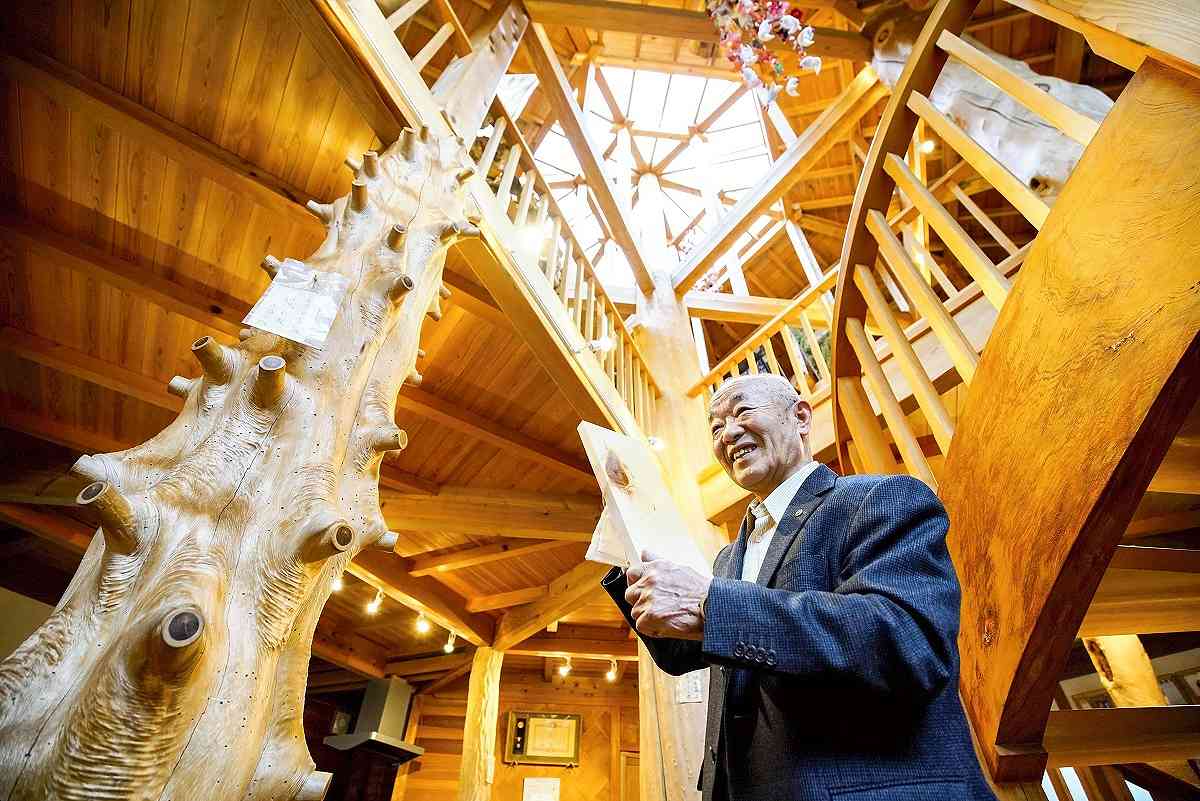
Tadao Otsuki smiles as he stands beside a wooden spiral staircase.
11:57 JST, January 12, 2021
Tadao Otsuki, 83, a former lumber company president, built the Kiryokukan museum in Saitama City because he wanted to show off the beauty of domestic timber.
The museum not only displays various types of timber but is also a work of art itself. The structure is constructed with domestic timber, such as hinoki cypress and sugi cedar, and was built using traditional techniques. Kiryokukan literally means “the house of the power of wood.”
The museum is a hexagonal two-story building with a main pillar that is a poplar log from Tochigi Prefecture. All of the pillars have holes bored into them for the beams to fit into. This construction method, called “toshinuki koho,” makes the building very stable.
Seeing a wooden spiral staircase is apparently extremely rare because it requires assembling curved pieces, which are all carved using planes and chisels.
“You think that’s a defect, don’t you?” Otsuki asked me, pointing to a split in one of the beams.
He told me splits that occur during the drying process are actually a good sign the timber has lost moisture and have become more firm and durable. To prevent cracks from appearing in pillars, a method called “sewari,” in which invisible cuts are made in the sides, is used. Another method used to avoid splits is to heat the timber at a high temperature. However, the smell of the timber and its ability to regulate humidity will be lost, Otsuki said.
He handed me a wooden board, and when I held it close to my nose I could smell the hinoki cypress. The scent only became stronger when I wet the surface with a towel. I did the same with another board that was heated at a high temperature, and its aroma was very faint.
The museum also has a section where visitors can compare domestic timber, such as cherry, pine and Japanese zelkova trees, with timber from around the world.
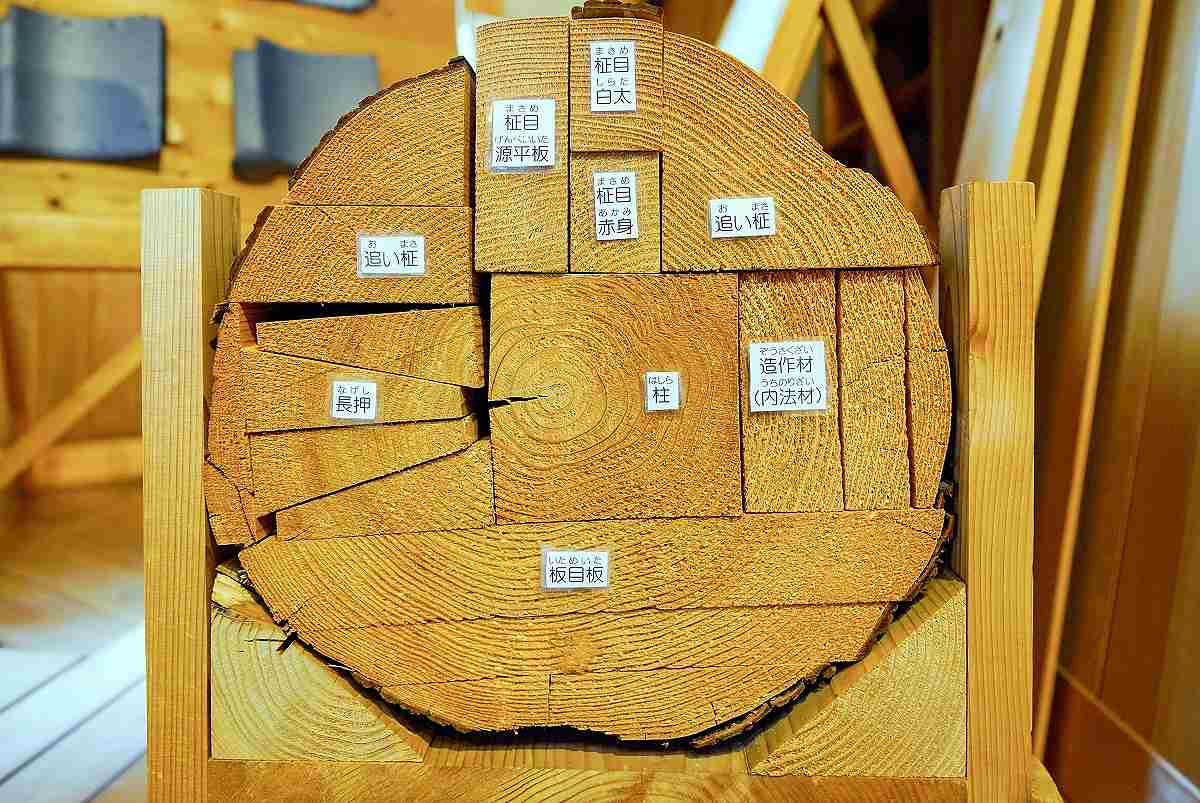
This exhibit shows the different types of timber that can come from one log, all with different grains and different purposes.
Otsuki holds a woodworking class at the museum to let participants feel the warmth of wood. He also gives presentations at elementary schools and has donated wooden tsumiki blocks to nursery schools in the neighborhood. He is actively engaged in promoting domestic timber.
“Trees that are decades old are still too young to be cut into timber because, at that point, it’s still their job to help the environment by taking in carbon dioxide,” said Otsuki. “When they have lived for at least 80 years, then they can finally become timber, like me.”
This museum is definitely filled with the enthusiasm of someone who used to run a lumber company.
Kiryokukan: 558-2 Niigatasuka, Iwatsuki Ward, Saitama City, Saitama Prefecture
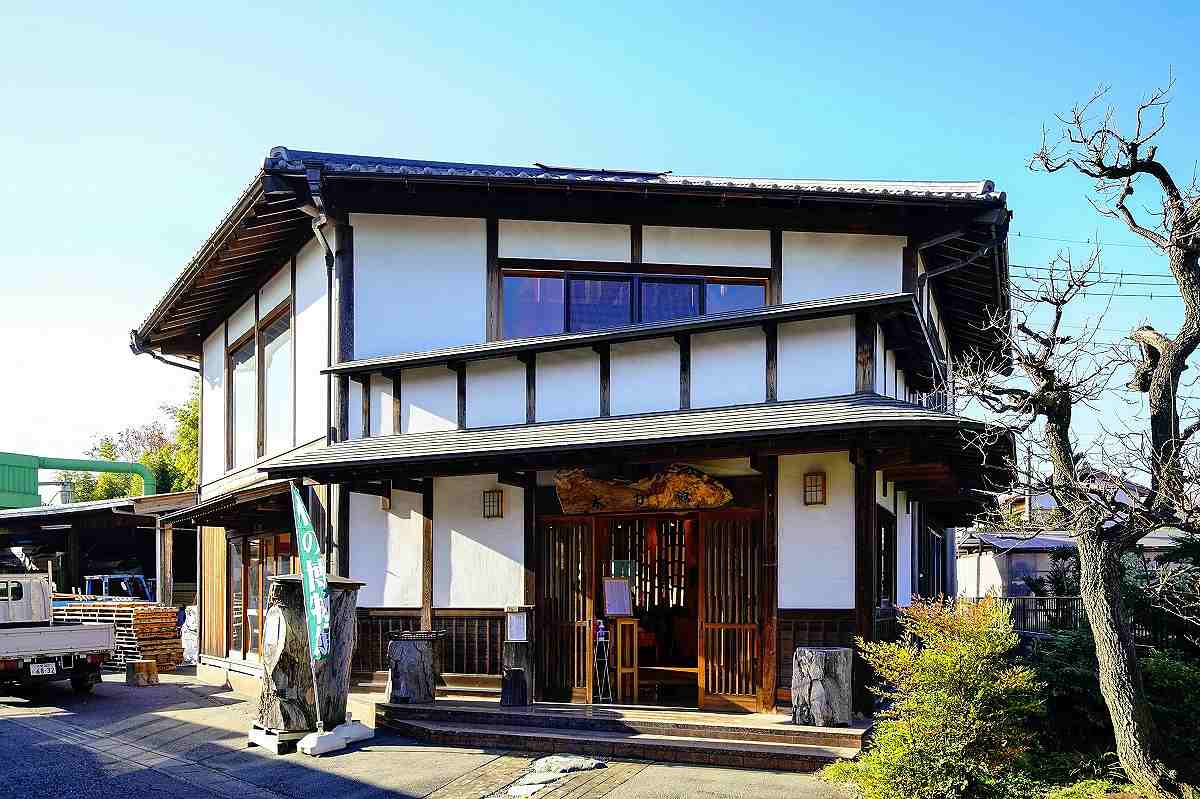
The exterior of Kiryokukan is seen in Saitama City.






Most Read
Most read in the last 24 hours
-
Promote Support, Respect to Help Prevent Harassment of Athletes
-
Japan Should Serve as Bridge between Nuclear, Non-nuclear States,...
-
Yamato Museum Reopens in Hiroshima Pref. Following Extensive Reno...
-
Japanese Govt to Set Up Panel on Widening Access to Sports Broadc...
-
Toyota Unveils New Development Hub in Woven City Repurposed from ...
-
Elegant Weeping Cherry Blossoms on Display at Water Purification ...
-
Fukui: Dinosaur Faculty Building Unveiled in Japanese University'...
-
Man Admits to Abandoning Wife's Body in Zoo Incinerator in Hokkai...
Most read in the last 7 days
-
Earthquake Hits Japan's Tohoku Region; 3-meter Tsunami Warning Is...
-

Trump Extends the Ceasefire with Iran but Keeps the Blockade
-

China, South Korea Object to Japanese PM Takaichi's Ritual Offeri...
-

India's Arms Indigenization Quest for Self-Reliance / New Delhi S...
-
Japan to Ban Use of Portable Chargers on Airplanes from April 24,...
-

¥1,000 Coins to Be Issued to Mark Anniversary of Beginning of Jap...
-

Most Serious Cyberattacks against the UK Now from Russia, Iran an...
-

Trump Opposes United–American Merger, Signals Support for Spirit
Most read in the last 30 days
-
Earthquake Hits Japan's Tohoku Region; 3-meter Tsunami Warning Is...
-
Police Find Child's Shoe During Search for Missing Boy in Nantan,...
-
Body Found in Nantan, Kyoto Prefecture, During Search for 11-Year...
-
Cherry Blossoms, Rapeseed Flowers Perform Colorful ‘Duet’ in Niig...
-
Trump Extends the Ceasefire with Iran but Keeps the Blockade
-
China, South Korea Object to Japanese PM Takaichi's Ritual Offeri...
-

Olympic Gold Medal-Winning Figure Skaters Riku-Ryu Announce Retir...
-

Japanese Prime Minister Takaichi Speaks to Pakistani Prime Minist...
Top Articles in Culture
-

Mobile Suit Gundam’s Haro-Like Robot to Assist Astronauts on ISS, Popular Japanese Character to Travel from Anime to Space
-

Japan to Train 1,000 Specialists Annually to Create Live-Action Content for Export; Dramas, Variety Shows Eyed for Distribution
-

Japanese Anime ‘Precure’ Takes on Detective Genre in 23rd Series, Solving Mysterious Cases
-

Kabuki Actor Nakamura Takanosuke Looking Forward to Seeing Audiences’ Reactions in Europe in His First Overseas Performances
-

Haruki Murakami to Debut New Novel ‘The Tale of Kaho’ in July
JN ACCESS RANKING
-
Earthquake Hits Japan’s Tohoku Region; 3-meter Tsunami Warning Issued (Update 1)
-
Police Find Child’s Shoe During Search for Missing Boy in Nantan, Kyoto Prefecture
-
Body Found in Nantan, Kyoto Prefecture, During Search for 11-Year-Old Boy in Area (Update 1)
-
Cherry Blossoms, Rapeseed Flowers Perform Colorful ‘Duet’ in Niigata
-
Trump Extends the Ceasefire with Iran but Keeps the Blockade
Most read in the last 24 hours
-
Promote Support, Respect to Help Prevent Harassment of Athletes
-
Japan Should Serve as Bridge between Nuclear, Non-nuclear States,...
-
Yamato Museum Reopens in Hiroshima Pref. Following Extensive Reno...
-
Japanese Govt to Set Up Panel on Widening Access to Sports Broadc...
-
Toyota Unveils New Development Hub in Woven City Repurposed from ...
Most read in the last 7 days
-
Earthquake Hits Japan's Tohoku Region; 3-meter Tsunami Warning Is...
-
Trump Extends the Ceasefire with Iran but Keeps the Blockade
-
China, South Korea Object to Japanese PM Takaichi's Ritual Offeri...
-
India's Arms Indigenization Quest for Self-Reliance / New Delhi S...
-
Japan to Ban Use of Portable Chargers on Airplanes from April 24,...
Most read in the last 30 days
-
Earthquake Hits Japan's Tohoku Region; 3-meter Tsunami Warning Is...
-
Police Find Child's Shoe During Search for Missing Boy in Nantan,...
-
Body Found in Nantan, Kyoto Prefecture, During Search for 11-Year...
-
Cherry Blossoms, Rapeseed Flowers Perform Colorful ‘Duet’ in Niig...
-
Trump Extends the Ceasefire with Iran but Keeps the Blockade