
Govt Eyes 20 Measures to Curb Mega Solar Power Plants, Plans to End Subsidies for New Facilities in Fiscal 2027
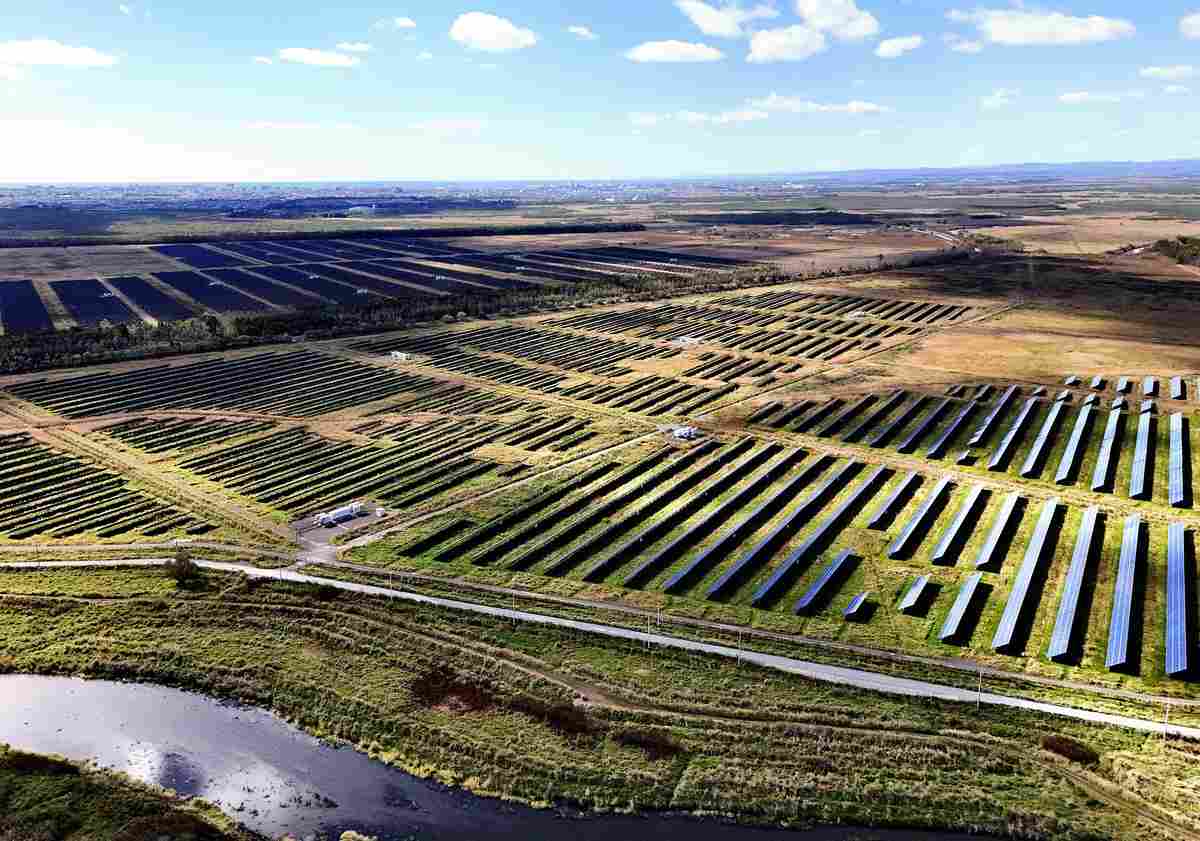
Solar panels are seen near the Kushiro Wetlands in Kushiro, Hokkaido, in October.
16:25 JST, December 20, 2025
The government plans to implement about 20 measures to address growing concerns over environmental degradation and potential disaster risks posed by mega solar power projects, according to a draft policy package seen by The Yomiuri Shimbun.
The envisioned measures include amending relevant legislation, bolstering monitoring systems, abolishing support for new large-scale solar power plants starting in fiscal 2027 and expanding environmental assessments. These measures are aimed at curbing reckless development and ensure that solar power plants do not cause trouble for local communities.
The government is poised to formally adopt the action plan for immediate implementation during an upcoming meeting of relevant Cabinet ministers, according to sources.
Under the envisioned package, mega solar power plants with an output of 1,000 kilowatts or more would become ineligible for the feed-in premium program, a support system in which producers receive a fixed premium on top of the market price for electricity generated.
Meanwhile, the government plans to increase incentives for developing or introducing next-generation perovskite solar cells and rooftop solar systems, as they have a smaller environmental impact.
As part of efforts to strengthen legal oversight, the government plans to lower the minimum 30,000-kilowatt threshold for mandatory environmental assessments, while also looking into expanding the scope of those inspections.
To prevent trouble involving solar power plants, the government plans to create a mechanism in which a government-certified organization will verify in advance if they comply with relevant technical standards. To make this verification mandatory for the operators of solar power plants with an output of 10 kilowatts or more, the government aims to submit a bill to amend the Electricity Business Law during next year’s ordinary Diet session.
Issues surrounding mega solar projects are coming to light, highlighted by the expanding deforestation near the national park around Hokkaido’s Kushiro Wetlands. The Kushiro municipal government has passed an ordinance restricting the construction of such facilities in the area.








Most Read
Most read in the last 24 hours
-

India’s Arms Indigenization Quest for Self-Reliance / Big Firms, ...
-

Japan Moves Closer to Blocking Illegal Online Casinos as Governme...
-

Shifts Startup Focus to Nurturing Global Winners
-

Princess Aiko Enjoys Imperial Court Music, Dance; Production, Cos...
-

Bibimbap with Spring Vegetables and Asari Clam Miso a Rich Taste ...
-

Mother Supports My Sister Too Much, Gives Her Kids Much More Than...
-

Official App to Help Startups Meet Other Participants
-

Umami History: Kyoto Chef Murata Worked to Share Japan’s Scientif...
Most read in the last 7 days
-
Earthquake Hits Japan's Tohoku Region; 3-meter Tsunami Warning Is...
-

China, South Korea Object to Japanese PM Takaichi's Ritual Offeri...
-

Trump Extends the Ceasefire with Iran but Keeps the Blockade
-

India's Arms Indigenization Quest for Self-Reliance / New Delhi S...
-

¥1,000 Coins to Be Issued to Mark Anniversary of Beginning of Jap...
-

Most Serious Cyberattacks against the UK Now from Russia, Iran an...
-

Trump Opposes United–American Merger, Signals Support for Spirit
-

System Malfunction in Haneda Airport Causes 83 Flight Cancelation...
Most read in the last 30 days
-
Earthquake Hits Japan's Tohoku Region; 3-meter Tsunami Warning Is...
-

Police Find Child's Shoe During Search for Missing Boy in Nantan,...
-

Body Found in Nantan, Kyoto Prefecture, During Search for 11-Year...
-
Cherry Blossoms, Rapeseed Flowers Perform Colorful ‘Duet’ in Niig...
-
China, South Korea Object to Japanese PM Takaichi's Ritual Offeri...
-
Trump Extends the Ceasefire with Iran but Keeps the Blockade
-

Olympic Gold Medal-Winning Figure Skaters Riku-Ryu Announce Retir...
-

Japanese Prime Minister Takaichi Speaks to Pakistani Prime Minist...
Top Articles in Science & Nature
-

Govt Aims to Establish Bear Population Control by FY30, Hopes to Achieve ‘Coexistence’ with Bears
-
Japan’s Panasonic Develops Automated System to Produce Ips Cells from Patient’s Blood
-

Punch The Monkey Getting Used to Life Without Stuffed ‘Mother’
-

‘Electric Aircraft’ to Begin Test Flights from Kitakyushu Airport, Aiming for Practical Use in Cargo Transport Route
-

New Robotics Center to Conduct Experiments Around the Clock; New Facility Aims to Accelerate Research Efforts
JN ACCESS RANKING
-
Earthquake Hits Japan’s Tohoku Region; 3-meter Tsunami Warning Issued (Update 1)
-
Police Find Child’s Shoe During Search for Missing Boy in Nantan, Kyoto Prefecture
-
Body Found in Nantan, Kyoto Prefecture, During Search for 11-Year-Old Boy in Area (Update 1)
-
Cherry Blossoms, Rapeseed Flowers Perform Colorful ‘Duet’ in Niigata
-
China, South Korea Object to Japanese PM Takaichi’s Ritual Offering to Yasukuni Shrine
Most read in the last 24 hours
-
India’s Arms Indigenization Quest for Self-Reliance / Big Firms, ...
-
Japan Moves Closer to Blocking Illegal Online Casinos as Governme...
-
Shifts Startup Focus to Nurturing Global Winners
-
Princess Aiko Enjoys Imperial Court Music, Dance; Production, Cos...
-
Bibimbap with Spring Vegetables and Asari Clam Miso a Rich Taste ...
Most read in the last 7 days
-
Earthquake Hits Japan's Tohoku Region; 3-meter Tsunami Warning Is...
-
China, South Korea Object to Japanese PM Takaichi's Ritual Offeri...
-
Trump Extends the Ceasefire with Iran but Keeps the Blockade
-
India's Arms Indigenization Quest for Self-Reliance / New Delhi S...
-
¥1,000 Coins to Be Issued to Mark Anniversary of Beginning of Jap...
Most read in the last 30 days
-
Earthquake Hits Japan's Tohoku Region; 3-meter Tsunami Warning Is...
-
Police Find Child's Shoe During Search for Missing Boy in Nantan,...
-
Body Found in Nantan, Kyoto Prefecture, During Search for 11-Year...
-
Cherry Blossoms, Rapeseed Flowers Perform Colorful ‘Duet’ in Niig...
-
China, South Korea Object to Japanese PM Takaichi's Ritual Offeri...