
Japan’s Takaichi Avoids Comment on Legality of U.S.-Israeli Strikes on Iran Ahead of Japan-U.S. Summit Meeting
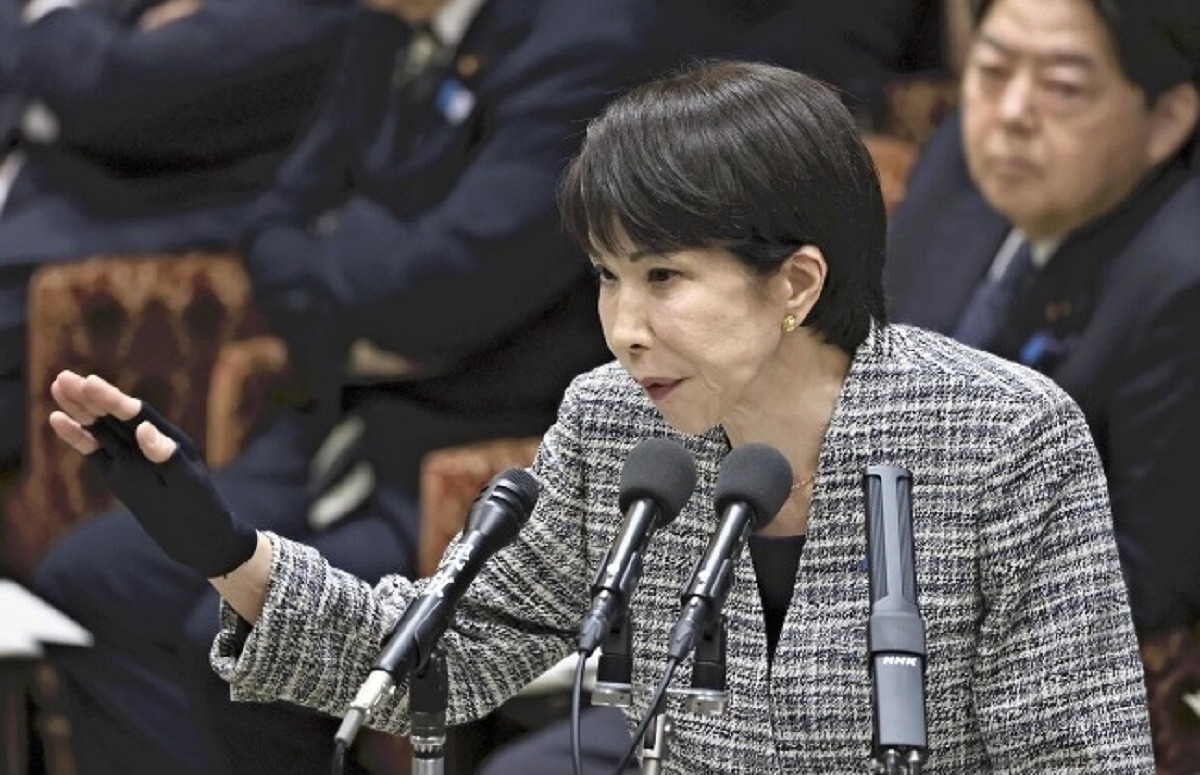
Prime Minister Sanae Takaichi
16:25 JST, March 7, 2026
Prime Minister Sanae Takaichi has shown diplomatic consideration ahead of the Japan-U.S. summit meeting scheduled for March 19 as she has refrained from making an assessment on the legality of U.S.-Israeli strikes on Iran.
U.S. President Donald Trump has announced that he is considering a plan to escort tankers navigating the Strait of Hormuz. Speculation is growing within the government that Takaichi may be pressured at the meeting to offer assistance.
During Diet deliberations, Takaichi has refrained from giving a clear answer when asked whether she believes the strikes on Iran violate international law. “A legal assessment is not something that can be made without taking some time,” she said.
While some have pointed out that the strikes lack sufficient grounds under international law, there are concerns that any criticism of the United States by Takaichi could harm bilateral ties. “If her comments lead to a deterioration in Japan-U.S. relations, it would only benefit China and Russia,” a senior government official said.
During a dinner with Canadian Prime Minister Mark Carney at the Prime Minister’s Official Residence in Tokyo on Friday, Takaichi stated that Japan condemns Iran’s actions, including its strikes on civilian facilities and its blockade of the Strait of Hormuz. The two leaders agreed to closely work together toward a swift de-escalation of the situation.
Takaichi is stepping up efforts to bolster ties with Middle Eastern nations, seeking their cooperation in ensuring a stable energy supply and protecting Japanese nationals. As part of these efforts, she is set to hold talks with ambassadors from the region on Thursday.
During Diet deliberations on the security-related laws, the government has stated that a blockade of the Strait of Hormuz, such as through the use of mines, could constitute a “survival-threatening situation,” which would allow for the limited exercise of the right of collective self-defense.
However, Chief Cabinet Secretary Seiji Kihara said, “At this point, we have yet to reach the conclusion that the situation meets the criteria.”
The government intends to carefully monitor how the United States will proceed, with a senior Foreign Ministry official noting, “At this point, it is unclear whether the United States will seek cooperation from other countries.”
SDF jet to be sent for evacuations
The government will dispatch a Self-Defense Forces transport plane to the Indian Ocean island nation of the Maldives in preparation for potential evacuations of Japanese nationals in the Middle East affected by the situation with Iran, Chief Cabinet Secretary Minoru Kihara said at a Friday press conference.
Motegi conveys concerns to Israel
Foreign Minister Toshimitsu Motegi conveyed Japan’s grave concerns over the United States and Israel exchanging attacks with Iran, as well as the deteriorating situation across the Middle East to Israeli Foreign Minister Gideon Sa’ar on Friday.
During the approximately 20-minute telephone meeting, Motegi also requested the safety of Japanese nationals in the region be ensured and support be provided for their evacuation.
In response, Minister Sa’ar explained Israel’s position and said Israel would cooperate in securing the safety of Japanese nationals and support for their evacuation.


Related Tags







Most Read
Most read in the last 24 hours
-

Milano Cortina 2026: Miura, Kihara Among Participants at Tokyo Pa...
-

Japan to Release Additional Oil Reserves from May 1
-
Iwate Pref. Forest Fires Continue into 4th Day, with 30% of Town'...
-

Mazda to End Domestic Production of Mazda2 Compact Car
-

Former Staff Members at Japan's Osaka-Kansai Expo Use Skills from...
-

Ehime: Elderly Polar Bear Peace Makes Speedy Health Recovery, Bac...
-

India’s Arms Indigenization Quest for Self-Reliance / Big Firms, ...
-

Japan Moves Closer to Blocking Illegal Online Casinos as Governme...
Most read in the last 7 days
-
Earthquake Hits Japan's Tohoku Region; 3-meter Tsunami Warning Is...
-

China, South Korea Object to Japanese PM Takaichi's Ritual Offeri...
-

Trump Extends the Ceasefire with Iran but Keeps the Blockade
-

India's Arms Indigenization Quest for Self-Reliance / New Delhi S...
-

¥1,000 Coins to Be Issued to Mark Anniversary of Beginning of Jap...
-

Most Serious Cyberattacks against the UK Now from Russia, Iran an...
-

Trump Opposes United–American Merger, Signals Support for Spirit
-
System Malfunction in Haneda Airport Causes 83 Flight Cancelation...
Most read in the last 30 days
-
Earthquake Hits Japan's Tohoku Region; 3-meter Tsunami Warning Is...
-
Police Find Child's Shoe During Search for Missing Boy in Nantan,...
-
Body Found in Nantan, Kyoto Prefecture, During Search for 11-Year...
-

Cherry Blossoms, Rapeseed Flowers Perform Colorful ‘Duet’ in Niig...
-
China, South Korea Object to Japanese PM Takaichi's Ritual Offeri...
-
Trump Extends the Ceasefire with Iran but Keeps the Blockade
-

Olympic Gold Medal-Winning Figure Skaters Riku-Ryu Announce Retir...
-

Japanese Prime Minister Takaichi Speaks to Pakistani Prime Minist...
Top Articles in Politics
-
India’s Arms Indigenization Quest for Self-Reliance / New Delhi Sticks to Its ‘All-Alignment’ Guns Even after Iran Warship Attack
-
Japan Aims to Enhance Deterrence, Defense Industry by Allowing Exports of Weapons
-

Former Japan PM Murayama’s Farewell Ceremony Held; Former Deputy PM Kono Vows to ‘Carry on Path Toward Peace’
-

Chinese Warships Cruise Past Japanese Islands in Retaliation for MSDF Ship Using Taiwan Strait
-

Japan Monitoring Situation Surrounding Revocation of Taiwan President’s Flight Permit by 3 Island Countries
JN ACCESS RANKING
-
Earthquake Hits Japan’s Tohoku Region; 3-meter Tsunami Warning Issued (Update 1)
-
Police Find Child’s Shoe During Search for Missing Boy in Nantan, Kyoto Prefecture
-
Body Found in Nantan, Kyoto Prefecture, During Search for 11-Year-Old Boy in Area (Update 1)
-
Cherry Blossoms, Rapeseed Flowers Perform Colorful ‘Duet’ in Niigata
-
China, South Korea Object to Japanese PM Takaichi’s Ritual Offering to Yasukuni Shrine
Most read in the last 24 hours
-
Milano Cortina 2026: Miura, Kihara Among Participants at Tokyo Pa...
-
Japan to Release Additional Oil Reserves from May 1
-
Iwate Pref. Forest Fires Continue into 4th Day, with 30% of Town'...
-
Mazda to End Domestic Production of Mazda2 Compact Car
-
Former Staff Members at Japan's Osaka-Kansai Expo Use Skills from...
Most read in the last 7 days
-
Earthquake Hits Japan's Tohoku Region; 3-meter Tsunami Warning Is...
-
China, South Korea Object to Japanese PM Takaichi's Ritual Offeri...
-
Trump Extends the Ceasefire with Iran but Keeps the Blockade
-
India's Arms Indigenization Quest for Self-Reliance / New Delhi S...
-
¥1,000 Coins to Be Issued to Mark Anniversary of Beginning of Jap...
Most read in the last 30 days
-
Earthquake Hits Japan's Tohoku Region; 3-meter Tsunami Warning Is...
-
Police Find Child's Shoe During Search for Missing Boy in Nantan,...
-
Body Found in Nantan, Kyoto Prefecture, During Search for 11-Year...
-
Cherry Blossoms, Rapeseed Flowers Perform Colorful ‘Duet’ in Niig...
-
China, South Korea Object to Japanese PM Takaichi's Ritual Offeri...