

Shipping containers are seen at a port in Tokyo, Japan, March 22, 2017.
15:12 JST, November 17, 2022
Tokyo (Reuters) – Japan’s imports in October surged by more than half from a year earlier, dwarfing growth in exports and enlarging a trade deficit that has weighed heavily on the yen.
The trade gap is therefore worsening the pain felt by households struggling to make ends meet amid currency-driven price hikes of imported goodsand by import-reliant businesses facing difficulty in passing cost rises on to customers.
At 9.00 trillion yen, Japan’s exports in October were up 25.3% on a year before, led by shipments of cars, chips and electronics parts, according to government trade data. It was the 20th consecutive month to show annual export growth and followed a 28.9% gain seen in September.
Imports jumped 53.5% from a year before to 11.16 trillion yen in their 21st month of annual gains, driven by crude oil, coal and liquefied natural gas and resulting in a 2.16 trillion yen ($15.50 billion) trade deficit, a record for the month of October.
The September trade deficit was 2.09 trillion yen.
The world’s third-largest economy has depended on exports of processed goods such as cars and electronics for growth over the past few decades. Now Japan’s policymakers are concerned more about the impact of surging imports on its resource-poor economy, given the sharp yen declines.
“We expect Japan will continue to log a trade deficit going forward,” said Koya Miyamae, senior economist at SMBC Nikko Securities.
“The global economic slowdown could weaken the pace of export increases, while impacts from a weak yen and higher commodity prices on imports will continue.”
By destination, Thursday’s trade data showed U.S.-bound exports were 36.5% higher in October than a year before, driven by cars and motors.
Exports to China, Japan’s number-one trading partner, advanced 7.7% in October, led by cars and audio equipment. Annual growth in September had been 17.1%, however. The slowdown suggested China’s zero-COVID measures had weakened demand, affecting not only Japanese shipments but potentially the global economy, too.
Government data showed on Tuesday that Japan’s economy had shrunk in July-September for the first time in a year as imports outpaced exports, knocking off substantial portion of gross domestic product.
$1 = 139.3300 yen






Most Read
Most read in the last 24 hours
-

Govt May Revise Law to Allow Export of Defense Equipment for Free
-

Undrafted Japanese Kicker Signs with Raiders; ‘My Appeal Is My Ac...
-

Number of Immigration Officer-Escorted Forced Deportations in Jap...
-

Spring Bear Hunting Gets Fully Underway As Prefectures Deal With ...
-

Dutch Man Injured on Closed Mt. Fuji Route, Having Fallen While D...
-

Princess Aiko Enjoys Imperial Court Music, Dance; Production, Cos...
-

Mother Supports My Sister Too Much, Gives Her Kids Much More Than...
-
Japan to Host Leaders from Major Cities from Around the World for...
Most read in the last 7 days
-
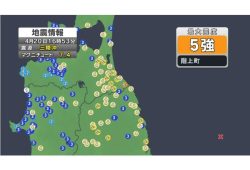
Earthquake Hits Japan's Tohoku Region; 3-meter Tsunami Warning Is...
-
China, South Korea Object to Japanese PM Takaichi's Ritual Offeri...
-

Trump Extends the Ceasefire with Iran but Keeps the Blockade
-

India's Arms Indigenization Quest for Self-Reliance / New Delhi S...
-

¥1,000 Coins to Be Issued to Mark Anniversary of Beginning of Jap...
-

Most Serious Cyberattacks against the UK Now from Russia, Iran an...
-

Trump Opposes United–American Merger, Signals Support for Spirit
-

System Malfunction in Haneda Airport Causes 83 Flight Cancelation...
Most read in the last 30 days
-
Earthquake Hits Japan's Tohoku Region; 3-meter Tsunami Warning Is...
-

Police Find Child's Shoe During Search for Missing Boy in Nantan,...
-

Body Found in Nantan, Kyoto Prefecture, During Search for 11-Year...
-
China, South Korea Object to Japanese PM Takaichi's Ritual Offeri...
-

Cherry Blossoms, Rapeseed Flowers Perform Colorful ‘Duet’ in Niig...
-
Trump Extends the Ceasefire with Iran but Keeps the Blockade
-

Olympic Gold Medal-Winning Figure Skaters Riku-Ryu Announce Retir...
-
Japanese Prime Minister Takaichi Speaks to Pakistani Prime Minist...
Top Articles in Business
-

Foreign Tourists Set New Record in March; 30% Drop in Visitors from Middle East
-

Japan’s ANA to Introduce Fuel Surcharges to Domestic Flights from Fy27, Driven by Rising Fuel Costs, Declining Profits
-

Toyota Motor to Begin Full-Scale Hydrogen Production in May; Mass Production and Sales of Equipment Planned to Start in 2029
-

Middle Powers Should Create Alternative to WTO, Says Research Group
-

Airborne Cellular Stations to Be Tested in Ishikawa, Miyagi; Aim to Ensure Communication During Disasters
JN ACCESS RANKING
-
Earthquake Hits Japan’s Tohoku Region; 3-meter Tsunami Warning Issued (Update 1)
-
Police Find Child’s Shoe During Search for Missing Boy in Nantan, Kyoto Prefecture
-
Body Found in Nantan, Kyoto Prefecture, During Search for 11-Year-Old Boy in Area (Update 1)
-
China, South Korea Object to Japanese PM Takaichi’s Ritual Offering to Yasukuni Shrine
-
Cherry Blossoms, Rapeseed Flowers Perform Colorful ‘Duet’ in Niigata
Most read in the last 24 hours
-
Govt May Revise Law to Allow Export of Defense Equipment for Free
-
Undrafted Japanese Kicker Signs with Raiders; ‘My Appeal Is My Ac...
-
Number of Immigration Officer-Escorted Forced Deportations in Jap...
-
Spring Bear Hunting Gets Fully Underway As Prefectures Deal With ...
-
Dutch Man Injured on Closed Mt. Fuji Route, Having Fallen While D...
Most read in the last 7 days
-
Earthquake Hits Japan's Tohoku Region; 3-meter Tsunami Warning Is...
-
China, South Korea Object to Japanese PM Takaichi's Ritual Offeri...
-
Trump Extends the Ceasefire with Iran but Keeps the Blockade
-
India's Arms Indigenization Quest for Self-Reliance / New Delhi S...
-
¥1,000 Coins to Be Issued to Mark Anniversary of Beginning of Jap...
Most read in the last 30 days
-
Earthquake Hits Japan's Tohoku Region; 3-meter Tsunami Warning Is...
-
Police Find Child's Shoe During Search for Missing Boy in Nantan,...
-
Body Found in Nantan, Kyoto Prefecture, During Search for 11-Year...
-
China, South Korea Object to Japanese PM Takaichi's Ritual Offeri...
-
Cherry Blossoms, Rapeseed Flowers Perform Colorful ‘Duet’ in Niig...