
1985 Documentary about Ryuichi Sakamoto, Tokyo Cityscapes to be Screened in Japan in 4K Restoration
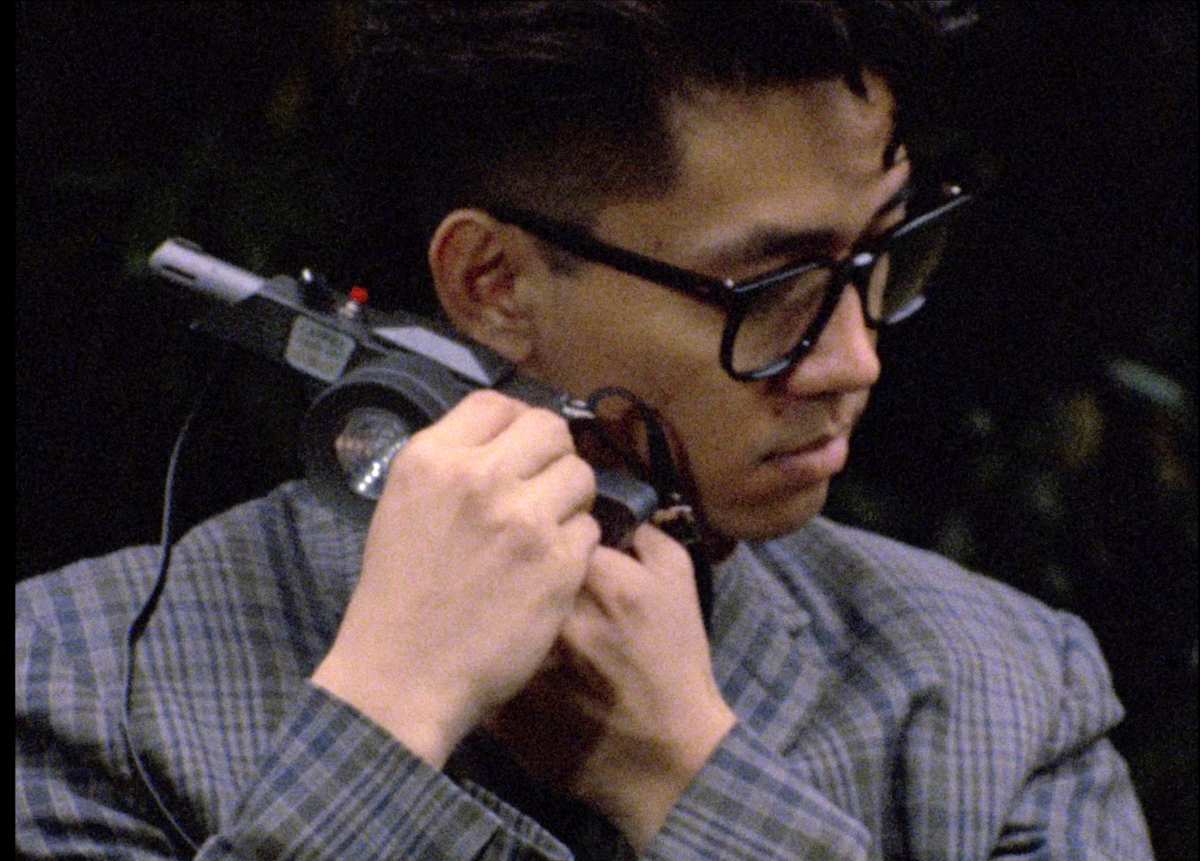
Ryuichi Sakamoto in “Tokyo Melody Ryuichi Sakamoto”
10:30 JST, January 16, 2026
There are some unmissable films about Ryuichi Sakamoto (1952-2023) and his music that has been left behind after his death.
A prime example is “Opus” (2023), directed by Neo Sora, which shows Sakamoto playing the piano in a studio in Shibuya, Tokyo, in the autumn of 2022, several months before his passing. Every movement he makes as he sits at the piano, every breath he draws and, above all, every sound he makes are rendered unforgettable in this supreme swan song of Sakamoto.
“Tokyo Melody Ryuichi Sakamoto” (1985), which will show at theaters in Japan from today, is a 4K restored version of a documentary film created nearly 40 years before “Opus.” It is an old film, but it contains precious portraits of Sakamoto and the sounds in Tokyo, his birthplace, at the time.
The film was produced by the French National Audiovisual Institute (INA) and directed by multimedia artist Elizabeth Lennard. At 62 minutes, it is not a long work, but what it depicts is colorful and rich in content. On screen, Sakamoto, then 32, freely talked about the status quo of music and Japanese culture as well as about himself. He was working on his fourth solo album, “Ongaku Zukan” (“Illustrated Musical Encyclopedia”), back then and explained how he created songs for the album.
To Generation X in Japan, Sakamoto was already a huge star. He was a member of Yellow Magic Orchestra, the proto-synthpop group, that left a vivid impact worldwide in the late 1970s. He pulled off memorable acting and created an unforgettable melody for the soundtrack of “Merry Christmas Mr. Lawrence” (1983), a film directed by Nagisa Oshima. Sakamoto made intelligent remarks as a man of culture while behaving like a pop star. He appeared playful in the camera frame, against backgrounds of Tokyo cityscapes.
The film is also interspersed with views of Tokyo without Sakamoto, such as a station where workers punch train tickets as quickly and rhythmically as music; a scene with a pachinko parlor; the “electric town” of Akihabara, with home appliances far more analogue than today and contrastingly sleek Western-style buildings; and the Shinjuku Alta building, with a giant display on its facade showing Sakamoto and himself standing in front of it. These scenes, with their jumble of various cultures, are strangely pertinent to Sakamoto’s music and resonate with his words: “After all, I think what I’m doing is different from music for music’s sake created at universities and institutions or in a study.”
The serious passion he occasionally showed while sitting at the keyboard is clearly evident in this film as well. Even though it is a documentary from 40 years ago, it feels extremely fresh rather than nostalgic, likely because it captured the moments when music poured out from Sakamoto’s hands and from his life in Tokyo.
The 4K restored version was produced by INA and Sakamoto’s agencies, KAB America Inc. and KAB Inc. INA initially made the 4K restoration, and then the sounds were remixed in Japan before the film’s release here.






Most Read
Most read in the last 24 hours
-

26-year-old U.S. National Falls While Climbing Mt. Fuji; Accompan...
-
Japan Passport Fees Going Down to ¥9,000 in July
-

Transfer of Defense Equipment: Increase the Number of Like-minded...
-

Japanese Side Machida Zelvia Faces Ah-Ahli in Asian Champions Lea...
-

Charm of Meiji-Era Poet Takuboku Examined from Viewpoint of Donal...
-

CARTOON OF THE DAY (April 24)
-

Japan Eyes Trialing Dual-Use Tech Developed by Startups to Promot...
-

Cherry Blossoms in Full Bloom in Hokkaido's Hakodate; Tourists Fl...
Most read in the last 7 days
-
Earthquake Hits Japan's Tohoku Region; 3-meter Tsunami Warning Is...
-

Trump Extends the Ceasefire with Iran but Keeps the Blockade
-

China, South Korea Object to Japanese PM Takaichi's Ritual Offeri...
-

India's Arms Indigenization Quest for Self-Reliance / New Delhi S...
-

Japan to Ban Use of Portable Chargers on Airplanes from April 24,...
-

¥1,000 Coins to Be Issued to Mark Anniversary of Beginning of Jap...
-

Most Serious Cyberattacks against the UK Now from Russia, Iran an...
-
New Challenges Await as Miura-Kihara Retires; Blade Maker, Ex-Coa...
Most read in the last 30 days
-
Earthquake Hits Japan's Tohoku Region; 3-meter Tsunami Warning Is...
-
Police Find Child's Shoe During Search for Missing Boy in Nantan,...
-
Body Found in Nantan, Kyoto Prefecture, During Search for 11-Year...
-
Cherry Blossoms, Rapeseed Flowers Perform Colorful ‘Duet’ in Niig...
-
Trump Extends the Ceasefire with Iran but Keeps the Blockade
-

Olympic Gold Medal-Winning Figure Skaters Riku-Ryu Announce Retir...
-
China, South Korea Object to Japanese PM Takaichi's Ritual Offeri...
-

Japanese Prime Minister Takaichi Speaks to Pakistani Prime Minist...
Top Articles in Culture
-

Mobile Suit Gundam’s Haro-Like Robot to Assist Astronauts on ISS, Popular Japanese Character to Travel from Anime to Space
-

Japan to Train 1,000 Specialists Annually to Create Live-Action Content for Export; Dramas, Variety Shows Eyed for Distribution
-

Japanese Anime ‘Precure’ Takes on Detective Genre in 23rd Series, Solving Mysterious Cases
-

Kabuki Actor Nakamura Takanosuke Looking Forward to Seeing Audiences’ Reactions in Europe in His First Overseas Performances
-

Haruki Murakami to Debut New Novel ‘The Tale of Kaho’ in July
JN ACCESS RANKING
-
Earthquake Hits Japan’s Tohoku Region; 3-meter Tsunami Warning Issued (Update 1)
-
Police Find Child’s Shoe During Search for Missing Boy in Nantan, Kyoto Prefecture
-
Body Found in Nantan, Kyoto Prefecture, During Search for 11-Year-Old Boy in Area (Update 1)
-
Cherry Blossoms, Rapeseed Flowers Perform Colorful ‘Duet’ in Niigata
-
Trump Extends the Ceasefire with Iran but Keeps the Blockade
Most read in the last 24 hours
-
26-year-old U.S. National Falls While Climbing Mt. Fuji; Accompan...
-
Japan Passport Fees Going Down to ¥9,000 in July
-
Transfer of Defense Equipment: Increase the Number of Like-minded...
-
Japanese Side Machida Zelvia Faces Ah-Ahli in Asian Champions Lea...
-
Charm of Meiji-Era Poet Takuboku Examined from Viewpoint of Donal...
Most read in the last 7 days
-
Earthquake Hits Japan's Tohoku Region; 3-meter Tsunami Warning Is...
-
Trump Extends the Ceasefire with Iran but Keeps the Blockade
-
China, South Korea Object to Japanese PM Takaichi's Ritual Offeri...
-
India's Arms Indigenization Quest for Self-Reliance / New Delhi S...
-
Japan to Ban Use of Portable Chargers on Airplanes from April 24,...
Most read in the last 30 days
-
Earthquake Hits Japan's Tohoku Region; 3-meter Tsunami Warning Is...
-
Police Find Child's Shoe During Search for Missing Boy in Nantan,...
-
Body Found in Nantan, Kyoto Prefecture, During Search for 11-Year...
-
Cherry Blossoms, Rapeseed Flowers Perform Colorful ‘Duet’ in Niig...
-
Trump Extends the Ceasefire with Iran but Keeps the Blockade